As Democrats gear up for the 2024 midterm elections, they are leaning heavily on messaging that addresses voters’ anxieties about the soaring cost of living. However, a hot-button issue in Oregon is complicating this strategy. A recent gas tax increase and a related referendum are forcing Democrats to navigate a tricky political landscape.
The Gas Tax Increase and Referendum
In the fall of 2023, the Democratic-controlled Oregon Legislature approved an increase in the state’s gas tax, as well as other fees, to fund road improvements and address the state’s transportation budget deficit. The plan was immediately met with resistance, with Republicans filing a petition to repeal the increases, leading to a referendum set for the May 19 primary ballot.
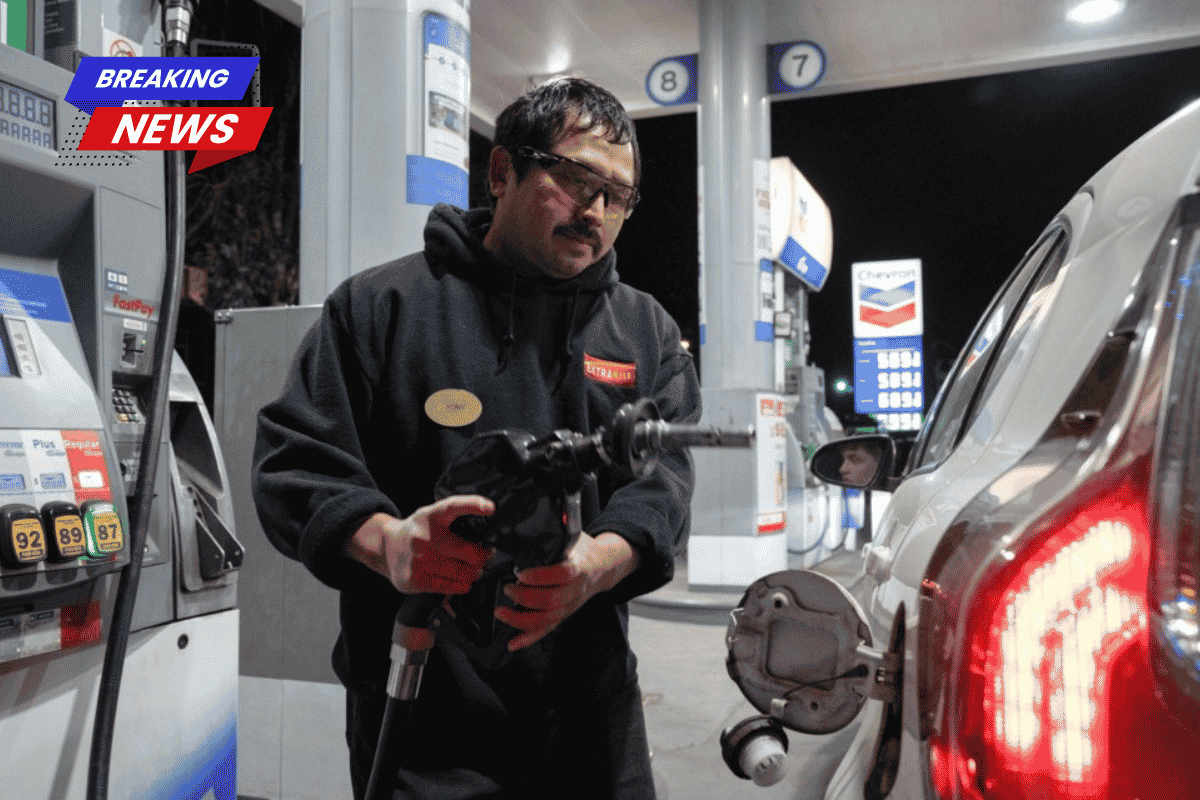
The timing of the gas tax increase is particularly problematic. As gas prices across the U.S. continue to surge due to disruptions in the oil industry related to the ongoing war with Iran, voters are facing increased costs at the pump, making the tax hike a contentious issue.
Oregon’s gas tax is set to rise from 40 to 46 cents per gallon, placing it among the highest in the nation. Critics, including Republicans, argue that this increase exacerbates the financial strain on Oregonians already grappling with rising costs for everything from housing to groceries.
Republican Pushback and Growing Discontent
Republicans have swiftly seized on this issue, framing the tax hike as an unnecessary burden during a time of heightened economic stress. They gathered 250,000 signatures—well above the 78,000 required—to place the referendum on the ballot. Republican leaders, including state Sen. Bruce Starr, have warned that the tax increases are further fueling the high cost of living in Oregon.
“Do Oregonians want to pay more? The answer is no,” Starr said, reflecting the widespread frustration over rising costs.
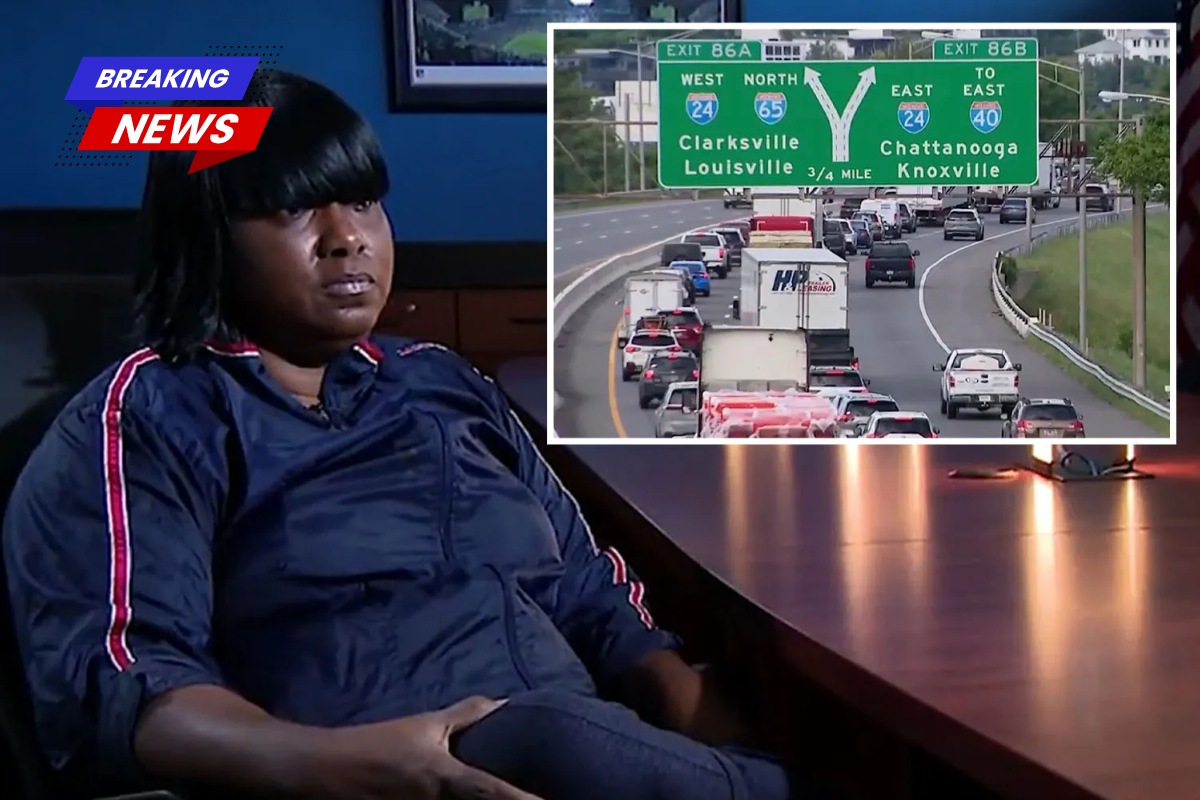
For many, like Michael Burch, a 76-year-old retiree, the rising gas prices are becoming unbearable. He shared that it now costs him $80 to fill half a tank of his pickup truck, up from $70 for three-quarters of a tank just a few months ago. “I’m sick and tired of taxes,” Burch said, highlighting the growing discontent among voters.
Democratic Defenses and the Blame on the Iran War
Democratic leaders in Oregon, including Governor Tina Kotek, have acknowledged that the timing of the gas tax increase is difficult. Kotek admitted that the conversation surrounding the tax is a tough sell, especially with families feeling financial strain due to rising prices.
However, Democrats have argued that the root cause of the surge in gas prices is President Trump’s decision to engage in military conflict with Iran, which has caused significant disruptions in the oil market. Kotek suggested that the federal government could help ease the burden on Americans by temporarily suspending the federal 18-cent-per-gallon gas tax.
Some Oregonians are sympathetic to the state’s reasoning for the tax increase. Kurt Borneman, 68, said he would support the gas tax despite the added expense at the pump. “I realize that money’s tight and roads need to be improved,” Borneman said, balancing his frustration with a recognition of the need for infrastructure improvements.
The Battle Over Messaging
Democrats, however, have struggled to effectively communicate the value of the tax increase. State Rep. Paul Evans admitted that the messaging around the gas tax increase had been poorly framed, with the focus shifting to the price of gas rather than the importance of funding critical road improvements.
“When anything is reduced to, ‘Do you want a tax or not?’ Most people are going to say no,” Evans noted. Despite the lack of an organized effort from Democrats to oppose the referendum, it is clear that Republicans have successfully positioned the gas tax increase as an additional financial burden for voters.