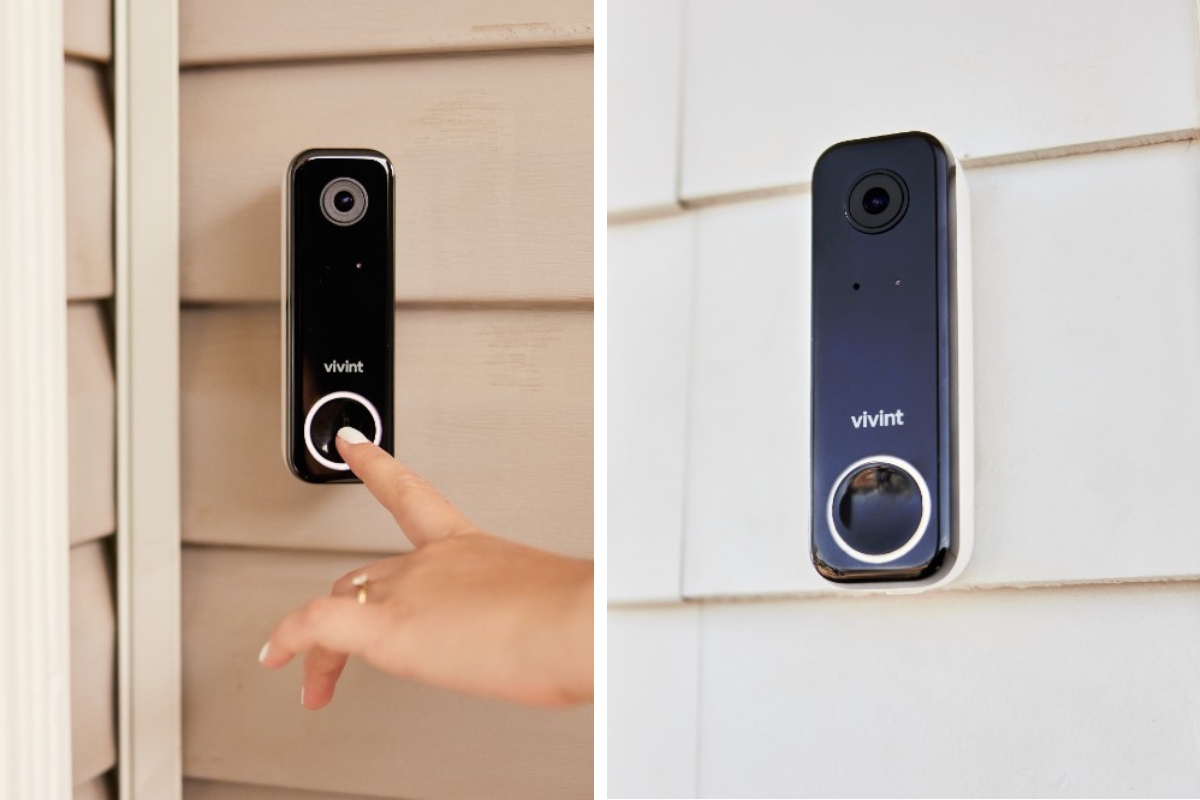
In California, simply ringing a doorbell and running away—what most people call “ding dong ditching”—is not explicitly outlawed by a single statute. However, what starts as a harmless prank can quickly cross into illegal behavior depending on the circumstances, such as trespassing, harassment, or disturbing the peace.
What Ding Dong Ditching Actually Is
Ding dong ditching usually means walking up to someone’s front door, ringing the bell or knocking, and then departing before the homeowner answers. It has long been treated as a childhood prank rather than a crime, and there is no California law that says “ding dong ditching is illegal” on its own. That said, the way it is done and how often it is repeated can change how the law views it.
When It Might Become Trespassing
California law under Penal Code 602 makes it a misdemeanor to enter or remain on private property without permission. If a property has a clear “No Trespassing” sign, the homeowner has told the person to stay off the property, or the prankster steps beyond the sidewalk or driveway (for example, into the yard or up close to a back door), the activity can qualify as trespass.
In those cases, a teen or adult could face fines, community service, or even county‑jail time in more serious or repeat situations.
Harassment, Disturbing the Peace, and Disorderly Conduct
If someone rings the same doorbell repeatedly, especially at night or in a way that frightens or seriously disturbs the occupant, the act may be treated as harassment or disturbing the peace under California law. Penal Code §415 covers “disturbing the peace” and can apply to behavior that creates a loud or offensive disturbance or that directly alarms the public.
Targeting a specific neighbor over and over, or doing the prank late at night, can also support a civil harassment‑restraining‑order application, and violating such an order is a criminal offense.
Property Damage and Escalation to More Serious Charges
Ding dong ditching is much more likely to result in criminal charges if it involves property damage, threats, or an intent to intimidate.
For example, egging a house, breaking windows, or leaving hostile messages can turn a simple prank into vandalism or even criminal threats. In those situations, California prosecutors can charge misdemeanors or even felonies, which may carry probation, jail, or hefty fines.
Practical Takeaways for California Residents
Legally, an occasional, non‑aggressive ding dong ditch during reasonable hours and on public or openly accessible property is unlikely to trigger charges.
But repeated knocking after being told to stop, trespassing, late‑night disturbances, or adding damage or threats can quickly make the prank a crime. Because there is no “safe” line written in the statutes, the safest approach is to treat doorbell‑ringing games as off‑limits and to respect neighbors’ property and privacy.
SOURCES:
- https://vistacriminallaw.com/doorbell-ding-dong-ditching/
- https://thewrangler.com/is-it-illegal-to-ding-dong-ditch-in-california-heres-what-the-law-says/2025/07/05/