
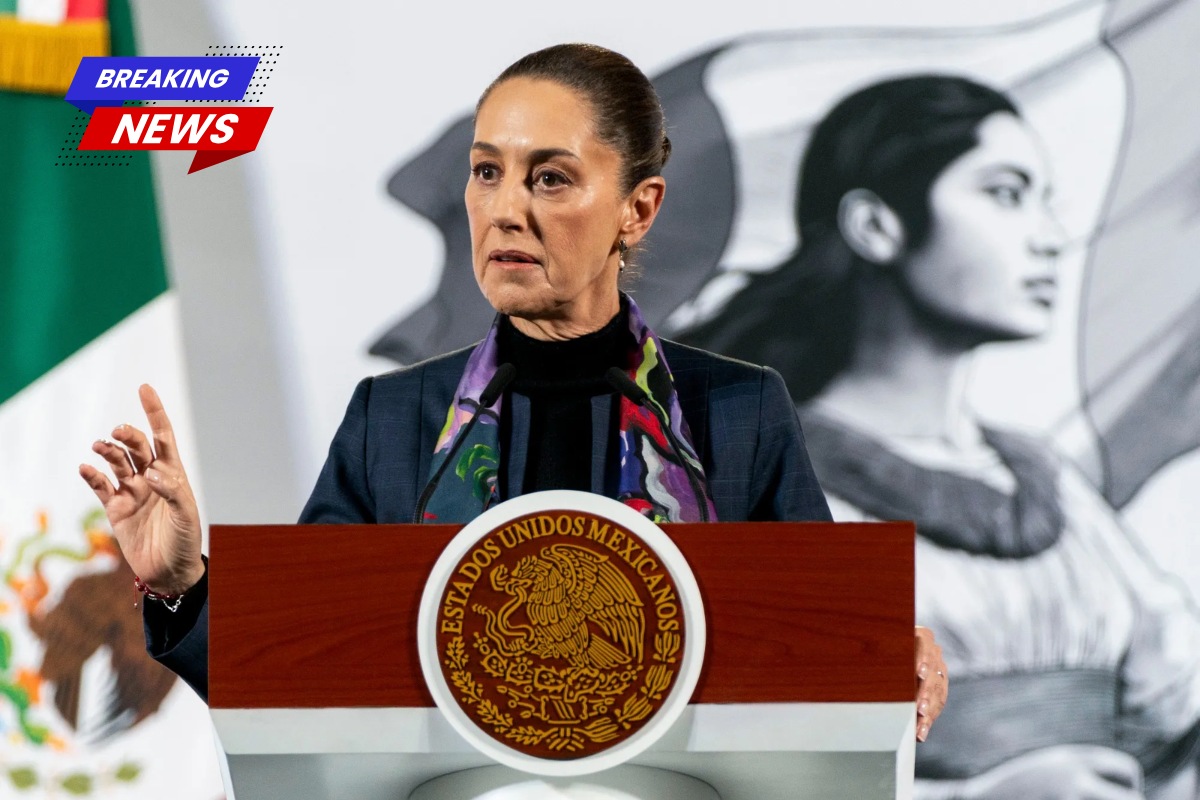
A recent controversial statement from Mexico’s president has sparked a wave of backlash, with critics accusing the administration of deflecting external pressure regarding cartel violence and political corruption.
The remarks, made in response to mounting international calls for stronger action against organized crime, have ignited a heated debate about Mexico’s sovereignty and its approach to tackling crime and corruption within the country.
Mexico President’s Statement Sparks Backlash Over Cartel Violence and Corruption Concerns
The comments from the Mexican president came as international concern over the country’s ongoing cartel violence and corruption continued to grow. Criminal organizations in Mexico remain heavily involved in various illicit activities such as drug trafficking, extortion, human smuggling, and territorial disputes, which have long destabilized the nation.
While some foreign governments, particularly the United States, have pushed for stronger cooperation on security and border enforcement, others have even suggested direct action against cartel operations—a stance that has been strongly rejected by Mexican officials.
Supporters of the president argue that his remarks were about protecting Mexico’s sovereignty and rejecting foreign interference in domestic matters. They argue that foreign countries, particularly the U.S., should not be involved in Mexico’s law enforcement and political decisions.
However, critics have interpreted the president’s comments differently, accusing him of attempting to shield powerful figures from external scrutiny, particularly at a time when cartel violence and corruption remain major issues.
The Growing Pressure Over Cartel Violence
The debate surrounding the president’s remarks is taking place amidst rising pressure over cartel-related violence, which continues to dominate headlines both in Mexico and abroad. Drug cartels are involved in an array of criminal activities that fuel violence across the country, making it a priority for both Mexican and U.S. authorities to address the issue.
U.S. lawmakers have pushed for stronger cooperation between the two nations to combat cartel activity, with some suggesting more aggressive measures, including direct action to dismantle cartels. However, these proposals have been met with resistance from Mexican officials who argue that such actions violate the country’s sovereignty.
The increasing cartel violence has strained the relationship between the U.S. and Mexico, with both countries expressing frustration over what they see as the other’s failure to adequately address the issue. Mexico has repeatedly emphasized its desire to maintain control over its internal affairs, especially regarding security and military matters.
Corruption and Political Influence Concerns
Accusations of corruption within Mexico’s political system have long been a point of contention. Investigations over the years have uncovered cases of bribery, protection networks, and alleged cooperation between criminal groups and public officials.
Because of this history, any statements about resisting “foreign interference” often trigger suspicion from critics, who believe that outside pressure is sometimes necessary to uncover corruption and hold Mexican leaders accountable.
Supporters of the government, however, argue that these accusations unfairly paint the entire political system as compromised. They maintain that external scrutiny can be politically motivated and may harm the country’s reputation and sovereignty.
Sovereignty and National Independence
Mexico has a long-standing sensitivity to foreign involvement in its internal affairs. Throughout its history, leaders from various political parties have framed foreign intervention, especially in matters related to security and military actions, as a direct threat to national independence. This is why the president’s remarks about resisting foreign interference have garnered significant attention both in Mexico and abroad.
For supporters of the president, the statement represents a firm stance in defense of Mexico’s control over its law enforcement and political decisions. For critics, however, it signals an unwillingness to take responsibility and accept accountability, especially as violence and corruption continue to plague the nation.
Rising Tensions Between the U.S. and Mexico
The disagreement over how to address cartel violence and border security is also contributing to growing tensions between the United States and Mexico. American officials have repeatedly urged Mexico to do more to curb cartel activity and secure its borders, while Mexican leaders have accused some U.S. politicians of using the cartel issue for political leverage.
The exchange of criticism between both sides is making the relationship between the two countries increasingly complex. While cooperation on certain issues remains, public statements like these reveal how quickly disagreements over security and sovereignty can escalate into broader diplomatic disputes.
What Happens Next?
The controversy surrounding the president’s comments is unlikely to be a one-time occurrence. Issues such as cartel violence, corruption, and foreign pressure will continue to shape public opinion in both Mexico and the U.S. The question of how much outside involvement Mexico should accept in its efforts to combat organized crime remains unresolved.
Whether the president’s statement was meant to defend Mexico’s sovereignty or to deflect criticism, it has intensified the debate about how Mexico should approach the fight against cartels and political corruption. As the debate continues, the question remains: how much external pressure should Mexico be willing to accept in addressing its internal security challenges?






