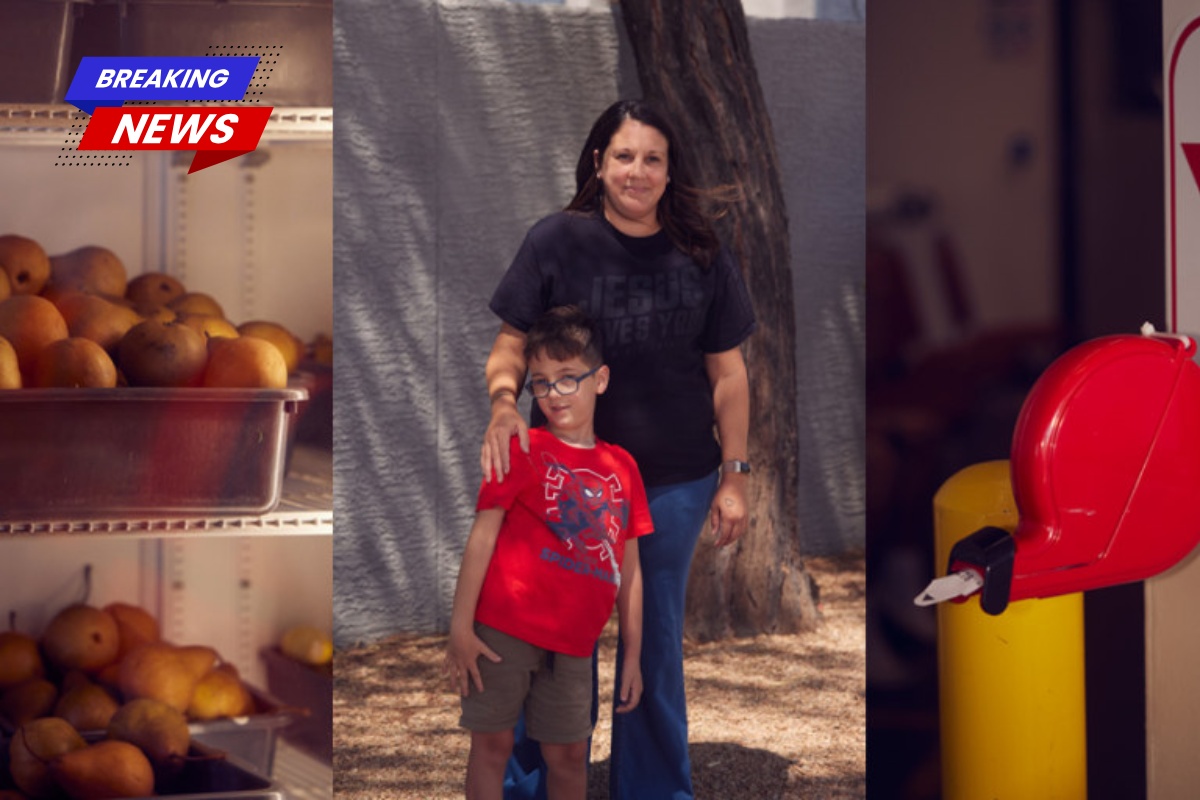
In a growing wave of frustration, thousands of Arizona residents, like Tiffany Hudson, are feeling the impact of new eligibility requirements for the Supplemental Nutrition Assistance Program (SNAP), commonly known as food stamps, implemented as part of President Donald Trump’s sweeping legislative changes.
The new policies, designed to push people into the workforce, have led to a significant reduction in food assistance across the country, and Arizona has been particularly hard hit.
A Struggle for Basic Needs
Tiffany Hudson, a single mother of two, was one of many to stand in line at the Arizona Department of Economic Security (DES) office, hoping to understand why her family’s food stamps were abruptly cut. It was 7 a.m. when she arrived, already facing a long line of individuals and families, many of whom, like Hudson, were unable to make ends meet since the implementation of the new rules. “It’s been really hard.
We’ve been going to food banks every week,” Hudson shared, explaining that she used to receive about $600 a month in food assistance. Now, with her benefits cut, her family is “eating less, eating more frozen stuff.”
This issue is part of a nationwide pattern that began after Trump signed his “big, beautiful bill” into law. This legislation extended tax cuts for the wealthy and corporations while also cutting $187 billion from SNAP over the next decade, significantly impacting low-income families across the United States.
Alarming Numbers: Arizona at the Forefront
Arizona has seen one of the most dramatic drops in SNAP recipients in the country, with approximately 200,000 children and countless families losing their benefits. The state’s aggressive implementation of the new work requirements and tightened documentation standards has contributed to this spike in disenrollment.
These changes have been difficult for many to navigate, especially those who may still be eligible but have been caught in bureaucratic red tape. As of March 2026, Arizona’s food stamp participation has fallen by around 50% compared to the previous year, straining local food banks like St. Mary’s Food Bank, which has seen a 25% increase in demand for its services.
Work Requirements and the Impact on Vulnerable Populations
Under the new regulations, able-bodied adults under 65 are required to work at least 80 hours per month to qualify for food stamps, unless they are primary caregivers for children under 14 or meet other specific exemptions.
Hudson, a primary caregiver to her children, including one with autism, believes she should be exempt from these requirements, especially as she works approximately 50 hours a month. However, she has faced months of delays and a confusing back-and-forth with the state’s bureaucracy over paperwork to verify her eligibility.
The story of Hudson is mirrored by many others in Arizona, including 62-year-old Dawn Savinski, who was cut off from her benefits due to the work requirement despite being retired and suffering from health issues. Savinski, like many others, finds herself falling through the cracks of the new system.
A System Under Strain
As more and more people are turned away or left in limbo, food banks are struggling to meet the increasing demand. Arizona’s Community Food Bank is already facing challenges with limited food supplies, especially as the state’s efforts to reduce payment errors and ensure compliance with federal requirements lead to delays in processing benefits.
The state is under pressure to lower its error rate, which currently exceeds the threshold set by federal guidelines, or face penalties starting in 2027.
The state has also laid off hundreds of workers, making it even harder for applicants to get the help they need. “We were already understaffed as it was,” said Monika Spencer, a former SNAP worker who now finds herself in need of assistance after being laid off.
She explained that the process of verifying information for food stamp applications has become more difficult and time-consuming, particularly for people who are self-employed or have irregular work schedules.
Widening Inequality and the Long-Term Impact
The cuts to food stamps come at a time when the divide between the wealthiest and the poorest Americans has never been wider. While the rich continue to see their wealth grow, low-income families are being left behind, with inflation and rising costs making it harder for them to make ends meet.
Economists like Lauren Bauer from the Brookings Institution have pointed out that taking away food assistance from those who are already struggling in such a volatile economy is “a cruel policy” that uses hunger as leverage to force people into the workforce.
Joseph Llobrera from the Center on Budget and Policy Priorities sees this as a warning for the rest of the nation. “We’re going to see more and more people lose access to this program at a time when need hasn’t gone down, and is probably going to go up,” he said.
The Road Ahead
With Arizona at the forefront of implementing these new changes, other states are likely to see similar trends. Food banks and social service organizations are bracing for a long-term impact, as the gap between those who need help and those who receive assistance continues to grow.
Local organizations like St. Mary’s Food Bank are working tirelessly to fill the void, but as Milton Liu, head of the food bank, pointed out, the demand is far outpacing their ability to provide.
The situation is set to worsen as federal cuts continue to ripple through the system, with many people in dire need of help. As policymakers debate the future of SNAP and other social safety nets, the voices of those who depend on these programs are growing louder, demanding attention and action to address the growing inequalities in the system.