The U.S. Senate has overwhelmingly advanced a proposal that would stop senators from receiving pay during future government shutdowns. Lawmakers approved the measure in a rare unanimous vote, reflecting growing frustration over Congress continuing to receive salaries while federal workers and millions of Americans face financial hardship during shutdowns.
The proposal is being promoted as a step toward accountability and “shared sacrifice” between lawmakers and the public during periods when the federal government is unable to operate normally.
Senate Advances Bill To Withhold Pay During Shutdowns
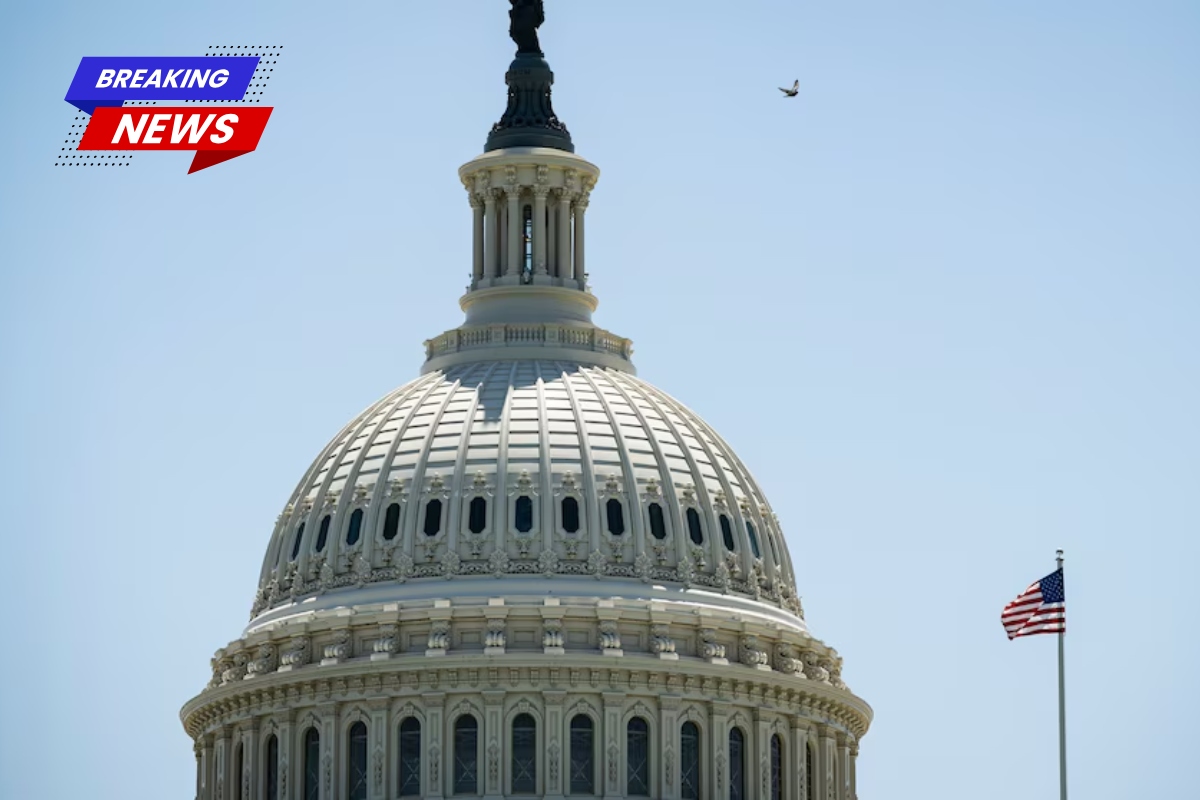
The Senate voted 99-0 on Wednesday to advance legislation that would pause senators’ paychecks during any future federal government shutdown.
The resolution was introduced by John Kennedy and received support from nearly every senator present.
Pete Ricketts was the only Republican senator who did not vote on the measure.
The vote was procedural, meaning the proposal still needs final approval before officially passing the Senate.
However, lawmakers expect the legislation to receive strong bipartisan support during the final vote as well.
How the Proposal Would Work
Under the proposed legislation, senators would temporarily stop receiving paychecks whenever the federal government enters a shutdown.
Instead of permanently losing the money, senators’ salaries would reportedly be placed on hold by the secretary of the Senate.
The withheld payments would only be released once the government officially reopens.
According to the proposal, the policy would not take effect immediately.
Instead, it would begin after the November 2026 election.
Lawmakers Push ‘Shared Sacrifice’ Message
Before the vote, Senator John Kennedy argued that lawmakers should share the same financial pressure experienced by federal workers and the public during shutdowns.
Kennedy told senators the proposal was about “shared sacrifice” and making Congress financially accountable during political deadlocks.
The legislation comes after growing public criticism over lawmakers continuing to collect paychecks while government employees go unpaid during shutdowns.
Past Shutdowns Sparked Public Anger
Calls for congressional pay restrictions increased after a major 43-day government shutdown late last year.
The shutdown was reportedly caused by disagreements between political parties over Affordable Care Act subsidies.
During that period, around 670,000 federal workers were furloughed, while tens of thousands of private-sector jobs were also affected.
Many recipients of SNAP benefits also experienced disruptions in assistance programs.
Despite the financial hardship faced by workers and families, members of Congress continued receiving their salaries throughout the shutdown.
That situation triggered criticism from both political parties and the public.
Department of Homeland Security Shutdown Added Pressure
Support for the proposal reportedly grew further during the recent 75-day partial shutdown involving the Department of Homeland Security.
During that funding dispute, Transportation Security Administration workers, Coast Guard members, and other federal employees reportedly worked without pay while lawmakers continued debating immigration funding and oversight reforms.
The lengthy shutdown renewed calls for Congress to experience the same financial consequences faced by government employees during political stalemates.
House Action Still Uncertain
While similar proposals have also been introduced in the House of Representatives, it remains unclear whether lawmakers in the lower chamber will pass matching legislation.
Supporters argue the proposal would improve accountability and encourage Congress to avoid lengthy shutdown battles in the future.
Critics, however, have questioned whether withholding delayed paychecks would significantly change political negotiations or shutdown outcomes.
The Senate’s near-unanimous vote signals growing bipartisan support for holding lawmakers financially accountable during government shutdowns. After years of criticism over Congress continuing to receive salaries while federal workers struggle without pay, many lawmakers now appear eager to show solidarity with affected employees and families.
Although the proposal still faces additional votes and uncertainty in the House, the measure reflects increasing public pressure for elected officials to share in the consequences of political gridlock and government funding battles.