Oil prices abruptly reversed Thursday afternoon, sliding after earlier gains, amid news that the United States and Iran may soon announce terms for peace negotiations.
Oil Prices Fall Amid Peace Talks
Brent crude, the international benchmark, fell 2.6% to around $102.30 per barrel, after earlier climbing as much as 3.5%. U.S. benchmark WTI crude dropped 2.5% to below $96 per barrel, following earlier gains of up to 4%. The market shift came as reports emerged of a potential agreement between the U.S. and Iran, mediated by Pakistan.
The deal reportedly includes a full ceasefire, guarantees of “freedom of navigation” in the Persian Gulf and Strait of Hormuz, and a gradual lifting of economic sanctions on Iran, according to the Iranian semi-official news agency ILNA. While the post did not mention Iran’s nuclear enrichment program, it stated that negotiations on “outstanding issues” would begin within seven days.
Negotiation Challenges Remain
The announcement comes after Iranian Supreme Leader Mojtaba Khamenei stated that Iran’s stockpiles of enriched, near-weapons-grade uranium should not be sent abroad, complicating negotiations.
The White House has consistently made the removal of Iran’s enriched uranium a key condition for any deal, and President Donald Trump has emphasized that the U.S. must dismantle Iran’s nuclear program to prevent weaponization.
Iran’s government has indicated it is reviewing the latest U.S. proposal, which reportedly narrowed some differences, while mediators see limited progress toward a final agreement. Key sticking points include war reparations, sanctions relief, and control over the Strait of Hormuz, with Iran maintaining a firm stance against U.S. goals to dismantle its nuclear program.
Strait of Hormuz and Oil Supply
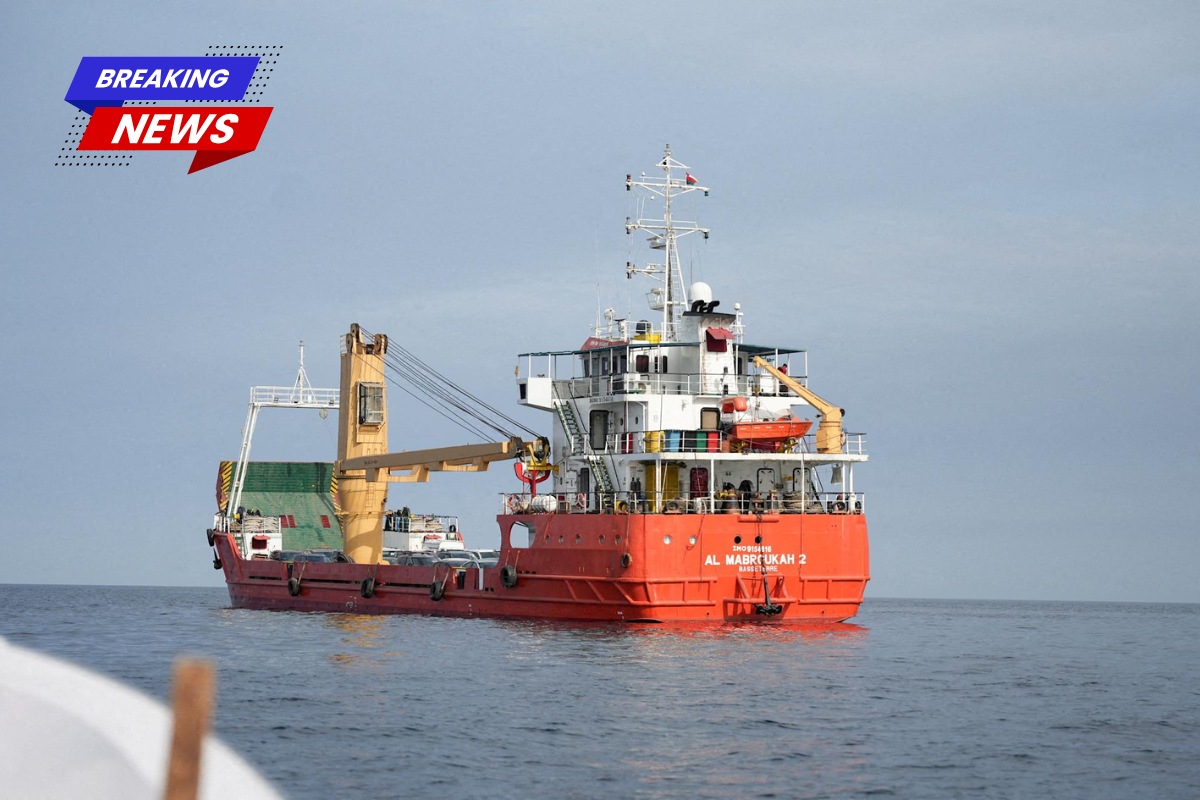
Oil markets remain sensitive to developments in the Strait of Hormuz, a critical chokepoint for global crude shipments. Analysts note that the strait’s partial closure has prevented about 14 million barrels of oil from reaching the market.
Reports also indicated that a South Korean supertanker and two Chinese supertankers successfully transited the strait, following routes directed by Iran. The Iranian government claimed these passages were coordinated directly with its Revolutionary Guard Corps (IRGC).
Iran and Oman are reportedly working on a joint management system for the strait, which could include permanent tolls and navigation fees. Iranian ambassador to France Mohammad Amin-Nejad explained that both countries must mobilize resources to ensure safe passage while charging fair fees to vessels using the waterway.
Potential for Military Tensions
The negotiations occur amid heightened tensions, with Trump warning of possible military action if the U.S. does not receive satisfactory responses from Iran. Tehran responded that any U.S. military intervention would be met with “crushing blows in places you do not expect” and that any regional conflict would extend beyond the Middle East.
Market analysts continue to monitor the situation closely, noting that geopolitical developments in the Gulf have immediate impacts on global oil prices, shipping routes, and energy security.