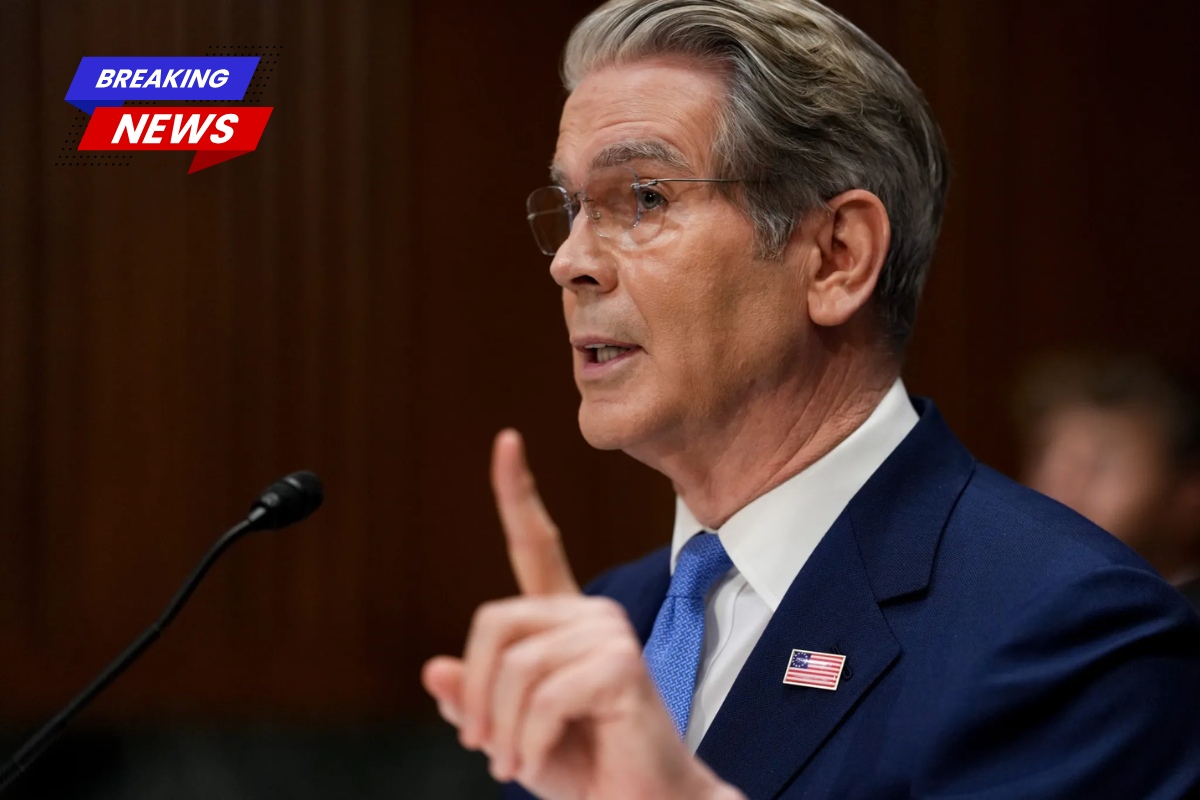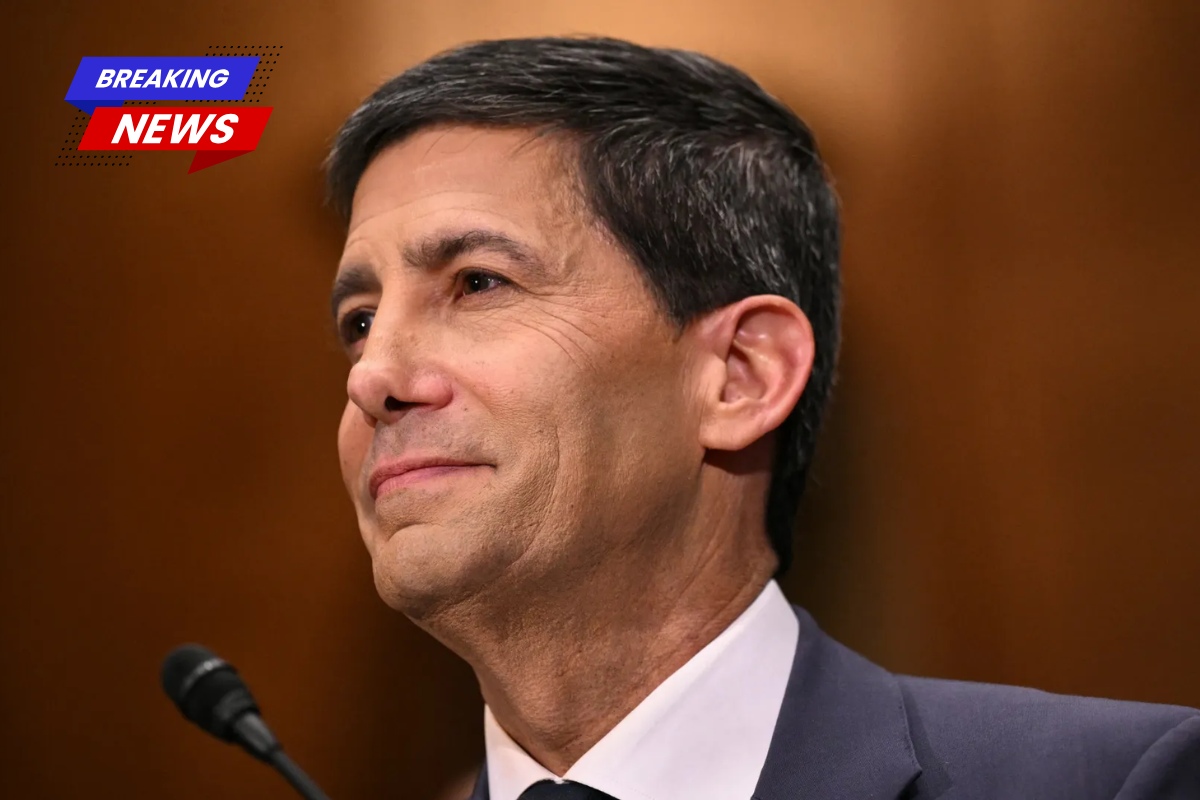
Kevin Warsh was sworn in as the new chairman of the Federal Reserve on Friday, taking over from Jerome Powell in a ceremony at the White House East Room. Justice Clarence Thomas administered the oath, using a Bible held by Warsh’s wife.
Warsh’s Vision for the Fed
Speaking at the ceremony, Warsh emphasized the Fed’s dual mandate: promoting price stability and maximum employment. “When we pursue those aims with wisdom and clarity, independence and resolve, inflation can be lower, growth stronger, real take-home pay higher and America can be more prosperous,” he said.
Warsh pledged to lead a reform-oriented Federal Reserve, learning from past successes and mistakes, and maintaining high standards of integrity and performance.
President Trump’s Remarks
President Donald Trump introduced Warsh, stressing his desire for an independent Fed. “I want him to be independent and just do a great job. Don’t look at me, don’t look at anybody, just do your own thing,” Trump said. He praised Warsh’s abilities and suggested he could be one of the Fed’s “truly great chairmen.”
Although Trump has publicly pushed for lower interest rates, he did not directly demand it during the ceremony. He emphasized economic growth, saying, “We want to stop inflation, but we don’t want to stop greatness…You don’t have to stop the world because you’re doing well.”
Warsh and Fed Independence
Warsh has consistently stated that he will preserve the Fed’s independence and will not predetermine interest rates to meet political requests. He has also expressed interest in collaborating with the Treasury Department on long-term structural issues, including the Fed’s balance sheet.
Financial markets remain uncertain about Warsh’s approach to rates. Inflation remains above the Fed’s 2% target, and the economic impact of the Iran war and labor market conditions complicates decisions. The Fed’s rate-setting committee is divided, with some members leaning toward rate hikes if inflation remains elevated, while others favor cautious easing.
Warsh’s Record and Economic Philosophy
Warsh previously served on the Fed board from 2006 to 2011 and was known as a hawk, favoring tighter monetary policy. Last year, however, he supported lower rates, arguing that artificial intelligence could boost productivity and help reduce inflation — a view that could spark debate among committee members.
Economists, including Randall Kroszner, believe Warsh will prioritize long-term strategy over political pressure. “Kevin is a long-run strategic thinker. He understands that to get things done, you need to build consensus,” Kroszner said.
Transition and Future Outlook
Powell will remain on the Fed’s Board of Governors, giving him a voice in rate-setting decisions until his Justice Department-related matters are resolved. It remains unclear whether Warsh will pursue significant rate cuts, as monetary policy decisions are made collectively by the 12-member Federal Open Market Committee.
Warsh assumes the Fed’s leadership at a pivotal moment, balancing inflation concerns, economic growth, and global uncertainties, while navigating public scrutiny and political pressure.