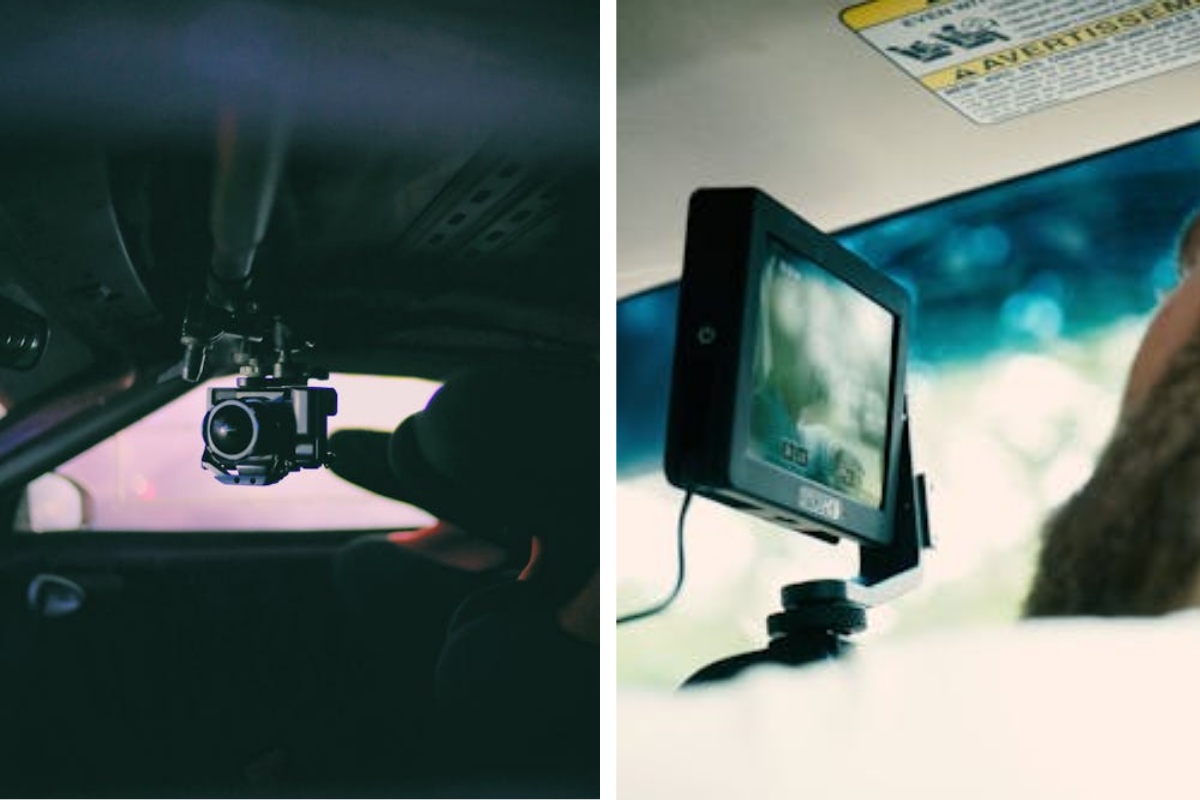
Dash cams are legal in Washington State, and many drivers use them to protect themselves in crashes or disputes, but there are important rules about where you place them and how you record audio.
To use a dash cam without legal trouble, you need to follow windshield obstruction laws and Washington’s strict privacy rules on recording conversations.
This is general information, not legal advice. Laws can change, so always double‑check current Washington statutes or talk to a lawyer for a specific situation.
Are Dash Cams Legal in Washington?
Washington law allows drivers to install dash cams in their vehicles as long as they follow general traffic and privacy laws. Statewide, dash cams are treated like other allowed devices such as GPS units or toll transponders, not as banned equipment.
That means simply owning or using a dash cam is not a crime; the legal issues come from where you mount it and what you record.
Windshield Obstruction and Placement Rules
Washington’s vehicle code says no one may operate a car with any nontransparent material on the windshield that obstructs the driver’s clear view of the road. In practice, this means your dash cam must be mounted so it does not significantly block what you see, often near or behind the rear‑view mirror or in a small area of the glass.
Guidance commonly used in Washington is that devices mounted on the windshield should not take up more than about a five‑inch square on the driver’s side or a seven‑inch square on the passenger’s side, or they may be treated as an obstruction. If an officer believes your dash cam blocks your view, you could receive a ticket even though the camera itself is legal.
Audio Recording and Privacy (Two‑Party Consent)
Washington is a “two‑party consent” state for recording private conversations, meaning you generally cannot record a conversation unless all participants know and agree. Dash cams that record audio inside the car can violate this law if passengers are secretly recorded without being told.
To stay legal, many drivers either disable the audio feature or clearly inform passengers that audio is being recorded when they enter the vehicle. Recording video of what happens on public roads is usually allowed, but secretly recording voices inside the vehicle is where most privacy problems arise.
Using Dash Cam Footage After an Accident
When a crash happens, Washington courts generally allow dash cam video as evidence in personal injury or traffic cases, as long as it was obtained in line with state law. Footage can help show how a collision occurred, who had the light, or whether someone was speeding or changing lanes unsafely.
In rare situations, footage might be excluded—for example, if it was clearly obtained in violation of privacy rules—but most properly recorded dash cam video can be used by insurers, lawyers, and courts.
Practical Tips to Stay Legal
To use a dash cam safely and legally in Washington, mount it high and out of your main line of sight so it does not obstruct the windshield. Consider turning off interior audio, or, if you keep it on, get into the habit of telling passengers that recording is in progress before you start driving.
SOURCES:
- https://www.colburnlaw.com/washington-state-dash-cam-laws/
- https://www.blackboxmycar.com/pages/are-dash-cams-legal-in-my-area-dash-cam-laws-in-every-us-state