A Washington state jury has awarded $24 million to the family of a man who died after receiving stem cell treatment at a Seattle clinic. The jury found that the clinic was negligent and that its misleading claims gave the family false hope. The case has raised serious questions about patient safety and the marketing of unproven medical treatments.
$24 Million Verdict in ALS Stem Cell Death Case
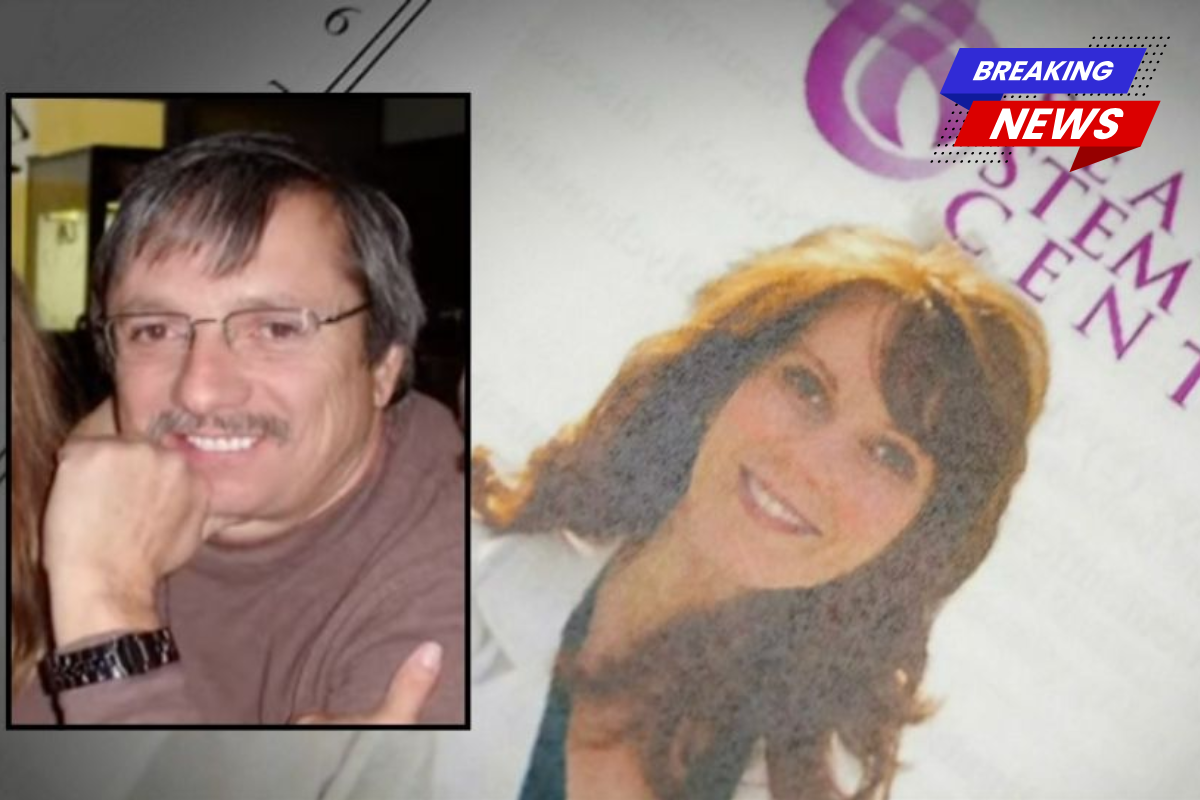
A King County jury ruled in favour of the family of Michael Trujillo, who died in April 2019 after undergoing a spinal stem cell procedure at the Seattle Stem Cell Center.
Trujillo had been diagnosed with amyotrophic lateral sclerosis (ALS) in 2017. After seeing advertisements claiming the clinic could treat ALS using stem cell therapy, he and his wife travelled to Seattle hoping for improvement.
The jury awarded $24 million to his wife, Carmen Trujillo, and their family. According to their attorney, Dylan Cohon, jurors unanimously agreed that the clinic acted negligently.
Here is a brief summary of the case:
| Detail | Information |
|---|---|
| Year of Death | 2019 |
| Diagnosis | ALS |
| Clinic | Seattle Stem Cell Center |
| Verdict | $24 million awarded |
| Reason | Negligence during spinal injection |
Procedure Performed Without Proper Imaging
According to court documents, doctors performed a spinal injection without using proper fluoroscopic imaging guidance. At the time, Michael Trujillo was also taking Coumadin, a blood-thinning medication.
The lawsuit stated that the needle punctured the dura, the protective layer around the spinal cord. This caused severe bleeding and pressure changes in his spine and brain. He died the next day due to brain herniation.
Attorney Dylan Cohon said the combination of poor imaging and blood thinners led to a fatal medical mistake.
Trujillo’s daughter, Holly Trujillo-Lopez, said what happened to her father was deeply wrong and that the family wanted the truth to come out so others would not face similar harm.
Clinic Owner Plans to Appeal
Dr. Tami Meraglia, owner of the Seattle Stem Cell Center, told local radio station KIRO that the original plan was to give Trujillo stem cells through an IV. She claimed another doctor changed the method to an epidural injection while Trujillo was on blood thinners and had high blood pressure.
Meraglia said she plans to appeal the verdict, arguing that the jury did not hear all the evidence during the trial.
Separate Consumer Protection Case
The civil verdict follows a separate case filed by the Washington Attorney General’s Office in 2022. The state accused the clinic of deceptive advertising and promoting unproven stem cell treatments for serious and incurable diseases.
The Consumer Protection Act lawsuit resulted in an $800,000 judgment and permanent restrictions on the clinic’s marketing practices. Officials said the clinic failed to provide scientific proof that its treatments were effective.
The complaint alleged that the clinic promoted stem cell therapy for conditions such as:
- ALS
- Multiple sclerosis
- Muscular dystrophy
- Parkinson’s disease
- Stroke and spinal cord injuries
According to the ALS Association, there are currently no FDA-approved stem cell treatments for ALS.
Family’s Emotional Testimony
During the trial, Carmen Trujillo told jurors that she and her husband travelled to Seattle full of hope after seeing online advertisements. After the procedure went wrong, she returned home alone.
Michael Trujillo, a master electrician and business owner from Colorado, left behind two sons, three daughters, and ten grandchildren.
His daughter later wrote on social media that what was once hidden had now come to light. The family says the verdict is not only about financial compensation but also about accountability and protecting future patients.
This case has brought attention to the risks of unproven medical treatments and aggressive marketing targeting vulnerable patients. Families facing serious illnesses often search for hope wherever they can find it.
However, medical providers have a responsibility to offer treatments backed by proper scientific evidence and to ensure patient safety at every step. The $24 million verdict sends a strong message about transparency, informed consent, and ethical medical practices. For the Trujillo family, justice may not erase their pain, but they hope their fight will prevent others from suffering similar loss.