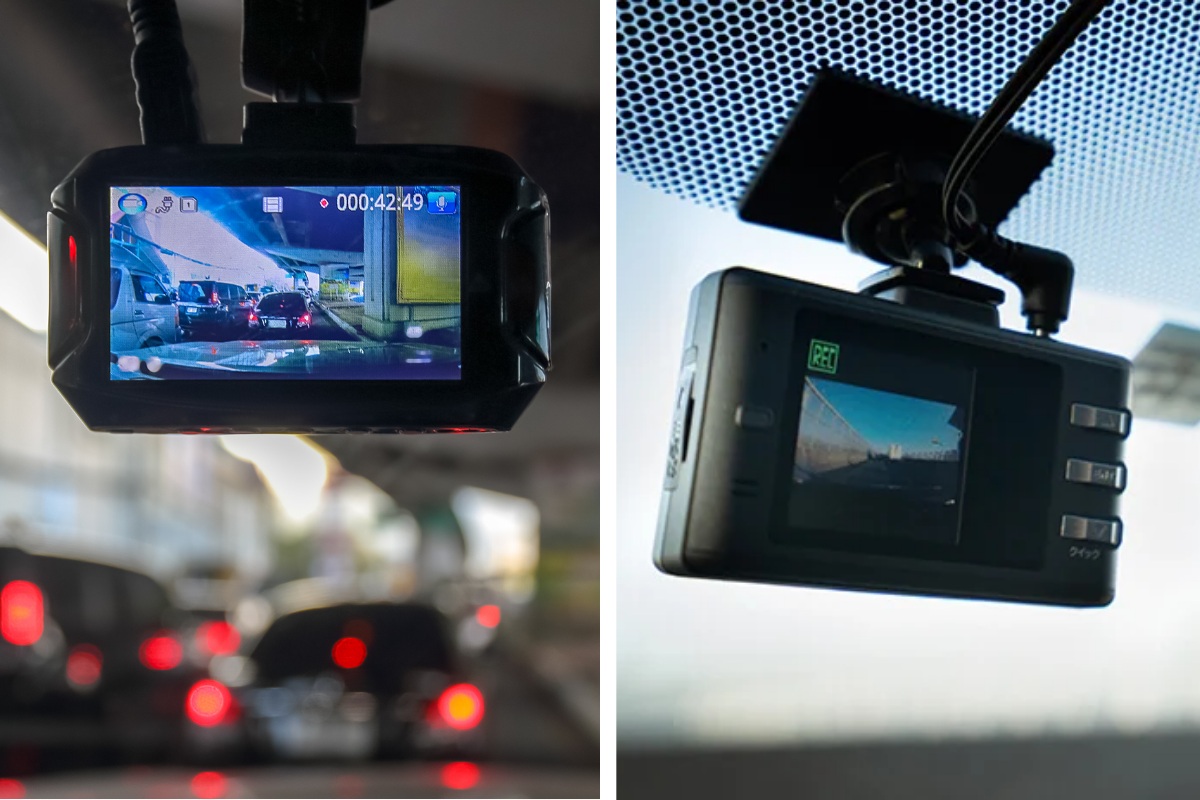
Dash cams are legal in Texas, and there is no specific law that bans or requires them for ordinary drivers. However, Texas does have general rules about vehicle equipment, obstructed views, and audio recording that directly affect how you can mount and use a dash cam.
Knowing these rules helps you stay within the law while still getting useful footage if you’re in a collision or traffic dispute.
Mounting your dash cam correctly
Texas law prohibits any object that obstructs the driver’s windshield, side‑mirror, or rear‑window view, and this rule applies to dash cams. Most legal guides and rankings of state laws note that Texas is “legal” for dash‑cam use as long as the device does not block your line of sight—for example, by being too large, too low on the windshield, or wrapped around the rear‑view mirror stalk.
Many Texas drivers mount their dash cam high behind the rear‑view mirror, keeping it mostly hidden by the mirror so it does not interfere with driving or attract unnecessary attention during traffic stops.
Audio recording and privacy concerns
While video recording from a dash cam is generally allowed, audio recording inside your vehicle raises privacy questions. Texas is a “one‑party consent” state for audio, meaning you can legally record a conversation if you or at least one party to the call consents.
That usually lets you record dialogue inside your own car, but special rules can apply if the vehicle is rented, shared with coworkers, or used by passengers who did not agree to being recorded. If you plan to use audio widely (for example, in social‑media clips), it is safer to either mute the audio or warn passengers that the system records sound.
Using dash‑cam footage in court and insurance claims
Texas courts and insurers routinely accept dash‑cam video as evidence in car‑accident cases, so long as the footage is relevant and not tampered with. A clear recording can help prove who ran a red light, who rear‑ended whom, or whether a driver was using a phone, speeding, or driving aggressively.
However, that same footage can also be used against you if it shows you were at fault, so it is wise to keep recordings secure and consult a Texas‑licensed attorney before sharing them broadly with insurance or opposing parties.
Practical tips for Texas drivers
To stay compliant while using a dash cam in Texas:
- Keep the camera small and mounted high, away from your direct line of sight.
- Avoid placing anything on side mirrors or across the windshield that blocks your view.
- When using audio recording, either ride alone or inform passengers that the system may record.
- Regularly back‑up or review footage, especially after a near‑miss or accident, so you do not lose it to automatic overwrite.
SOURCES:
- https://www.ddpai.com/blog/dash-cam-laws/
- https://worldpopulationreview.com/state-rankings/dash-cam-laws-by-state