Tensions in the Middle East have now started affecting global shipping routes, especially near the Strait of Hormuz. As fighting continues between the United States, Israel, and Iran, several commercial vessels have come under attack near Oman. The situation has raised serious concerns for oil transport and international trade.
Ships Targeted Near Strait of Hormuz
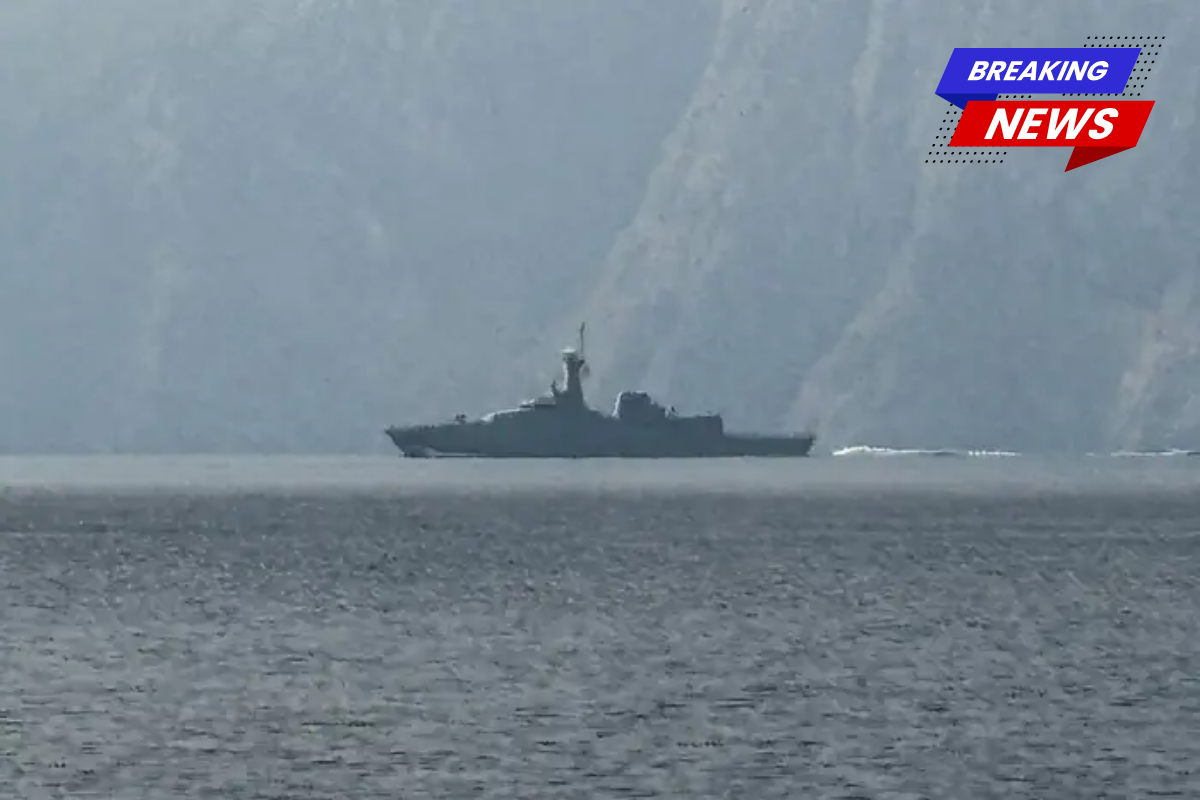
Multiple vessels were reportedly hit on Sunday near the Strait of Hormuz, a key global oil route between Iran and Oman.
The Palau-flagged oil tanker Skylight (IMO 9330020) was targeted a few miles north of Khasab port in Oman, according to Oman’s Maritime Security Center. The 20 crew members onboard were evacuated safely, but at least four people were injured.
An official from Operation Aspides confirmed that Omani authorities carried out the rescue operation.
The tanker Skylight had earlier been sanctioned by the U.S. Department of the Treasury in December, along with several other vessels, for allegedly transporting Iranian oil illegally.
No group officially claimed responsibility for the attack. However, the Gulf Cooperation Council condemned what it described as “brutal Iranian attacks” targeting Duqm port in Oman and an oil tanker nearby.
More Vessels Reported Hit
The United Kingdom Maritime Trade Operations (UKMTO) said at least two other ships were struck by what it described as “unknown projectiles” off the coast of Oman.
These incidents mark the first time ships have been directly targeted since the United States and Israel began strikes against Iran. Tehran has responded with missile and drone attacks across the region.
Iran has previously been accused of targeting ships near the Strait of Hormuz, including through the use of Shahed attack drones. Pro-Iran groups have also targeted commercial vessels in past conflicts.
Why the Strait of Hormuz Matters
The Strait of Hormuz is one of the world’s most important trade routes. Around 20% of the world’s daily oil supply passes through this narrow waterway.
Here is why the strait is so important:
| Key Factor | Details |
|---|---|
| Location | Between Iran and Oman |
| Global Oil Flow | About 20% of daily supply |
| Trade Importance | Critical for energy exports |
| Risk Level | Currently highly volatile |
Even a partial disruption can affect global oil prices and international markets.
Shipping Companies Reroute Over Safety Concerns
Following the recent attacks, several major shipping companies have decided to avoid the Strait of Hormuz until further notice.
Marine traffic tracking data showed a noticeable drop in vessels moving through the strait after US and Israeli strikes began. Some ships reportedly received radio warnings from Iran’s Islamic Revolutionary Guard Corps stating that vessels were barred from entering the strait.
However, the UKMTO clarified that no official closure of the Strait of Hormuz has been formally announced through recognised maritime safety channels.
British officials warned that the region remains highly unstable and that ships could face risks such as military miscalculations or electronic interference.
Rising Regional Tensions
Iran has long threatened to close the Strait of Hormuz if it faces what it considers hostile actions from the US. A full blockade, or even a situation where ships feel unsafe travelling through the area, could push global oil prices sharply higher.
Meanwhile, Israel and Iran continued exchanging strikes into Sunday. Retaliatory actions from Tehran have reportedly targeted several countries in the Middle East, including locations hosting US military bases.
The latest incidents show how quickly regional conflicts can spread beyond land borders and impact global trade routes. The Strait of Hormuz plays a crucial role in the world’s energy supply, and any disruption can affect fuel prices and economic stability worldwide.
As tensions between the US, Israel, and Iran continue, shipping companies and governments are closely monitoring the situation. The coming days will be critical in determining whether the conflict escalates further or diplomatic efforts help reduce the risks to international shipping and regional security.