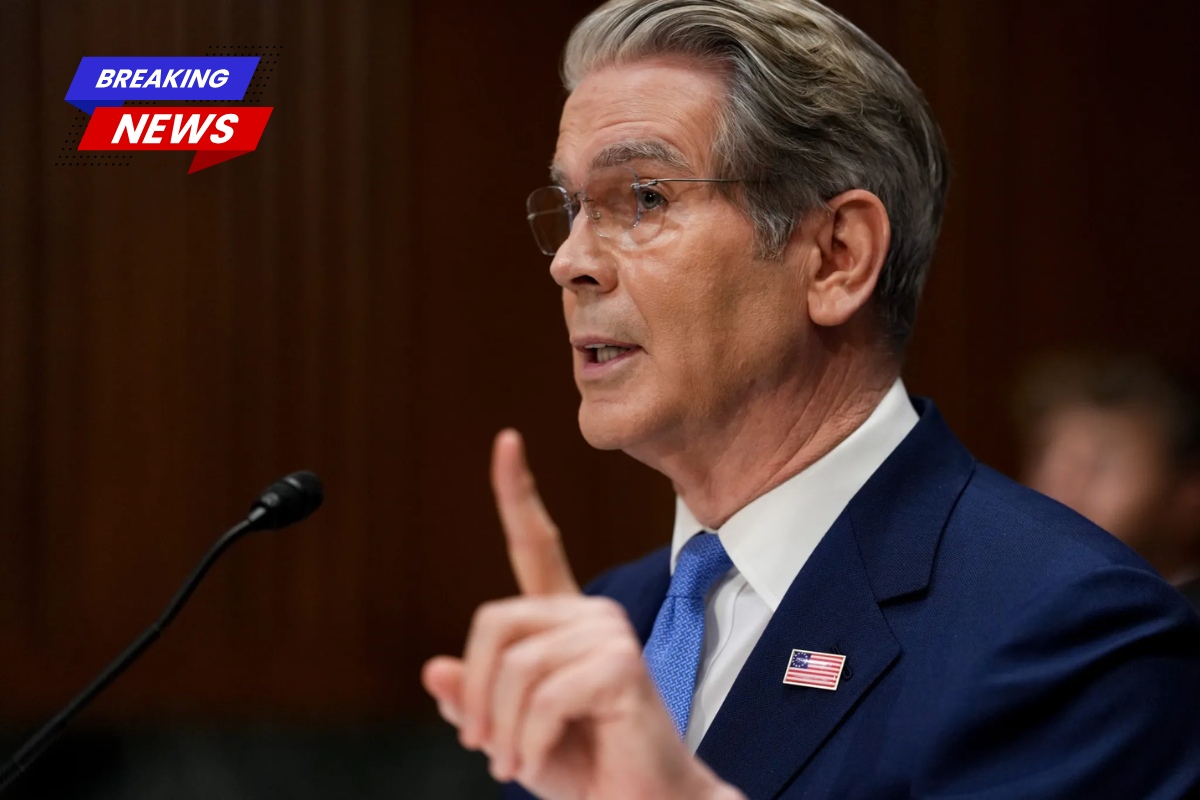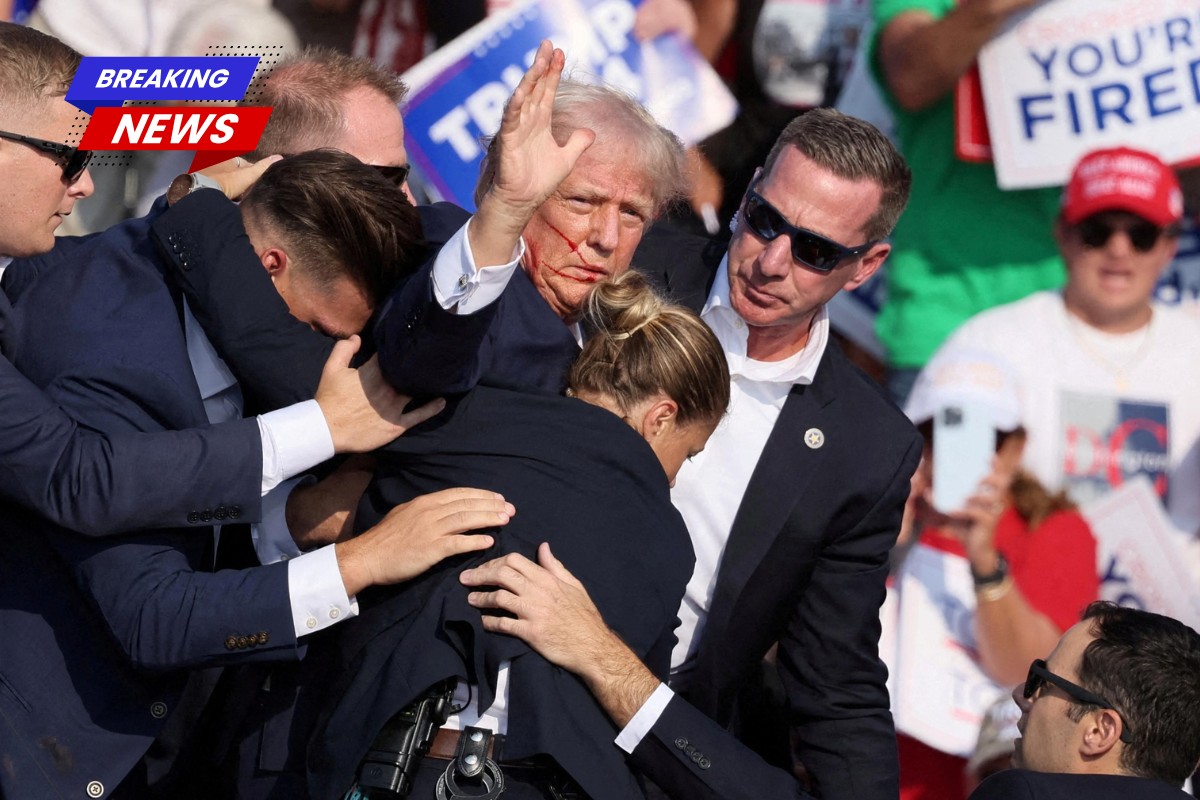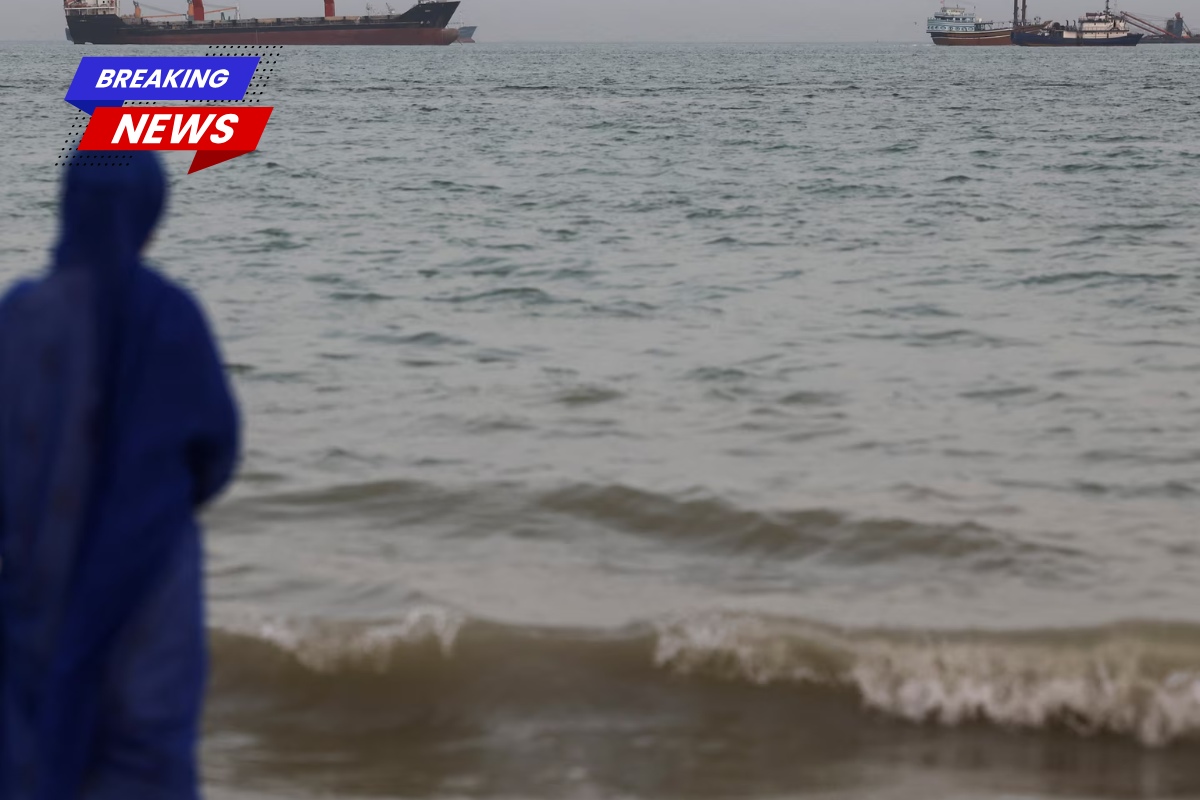
U.S. President Donald Trump said Sunday that he instructed his representatives not to rush into a deal with Iran, as hopes for a breakthrough in the three-month conflict remained cautious. The potential agreement would reopen the Strait of Hormuz, a critical route for global oil and liquefied natural gas shipments, which previously carried one-fifth of the world’s supply.
Trump emphasized on Truth Social that the U.S. naval blockade on Iranian ships would remain in effect until an agreement is fully reached, certified, and signed, adding that both sides must take their time to get it right.
Key Points of the Negotiations
A senior Trump administration official outlined the proposed deal’s broad framework, stating that Iran would open the Strait of Hormuz in exchange for the U.S. lifting its naval blockade. Tehran would also agree to dispose of its highly enriched uranium, although the exact methods remain under negotiation.
The official said Iran’s Supreme Leader, Ayatollah Mojtaba Khamenei, had endorsed the broad template. Negotiators are expected to have 60 days to finalize the details. Iranian officials indicated that feasible formulas could be found to resolve the uranium stockpile dispute under U.N. supervision, while maintaining that Iran has the right to enrich uranium for civilian purposes.
Remaining Challenges
Despite this progress, major obstacles remain. Disputes over Iran’s nuclear ambitions, the ongoing conflict between Israel and Hezbollah in Lebanon, and Tehran’s demands for the lifting of sanctions and the release of frozen oil revenues continue to challenge the negotiations. An Iranian military adviser to Khamenei also stated that Tehran reserves the legal right to manage the Strait of Hormuz, leaving questions about control over passage.
Market and Global Impact
The potential agreement briefly affected global oil markets, with Brent crude falling over 4% to $98.83 per barrel and U.S. West Texas Intermediate dropping over 4% to $92.03 per barrel. Critics argue the deal would amount to little more than restoring the pre-war status quo, with former Secretary of State Mike Pompeo and Democratic lawmakers expressing skepticism.
Senator Chris Van Hollen described the reported outlines as “a blunder,” suggesting the agreement would effectively return conditions to what existed before the conflict. Trump defended the negotiations, insisting on Truth Social that any deal he signs with Iran would be good and proper and dismissing critics as uninformed.
Humanitarian and Energy Concerns
Even if an agreement moves forward, full commercial traffic through the Strait of Hormuz is not expected to return until early to mid-2027, according to the Abu Dhabi National Oil Company. The war has caused widespread devastation, with U.S. and Israeli bombings in Iran killing thousands, while Israel’s operations in Lebanon have displaced hundreds of thousands.
Iranian strikes on Israel and neighboring Gulf states have also resulted in casualties. While the fragile ceasefire has provided some relief to markets, it has not resolved the global energy crisis, which continues to drive up the cost of fuel, fertilizer, and food.