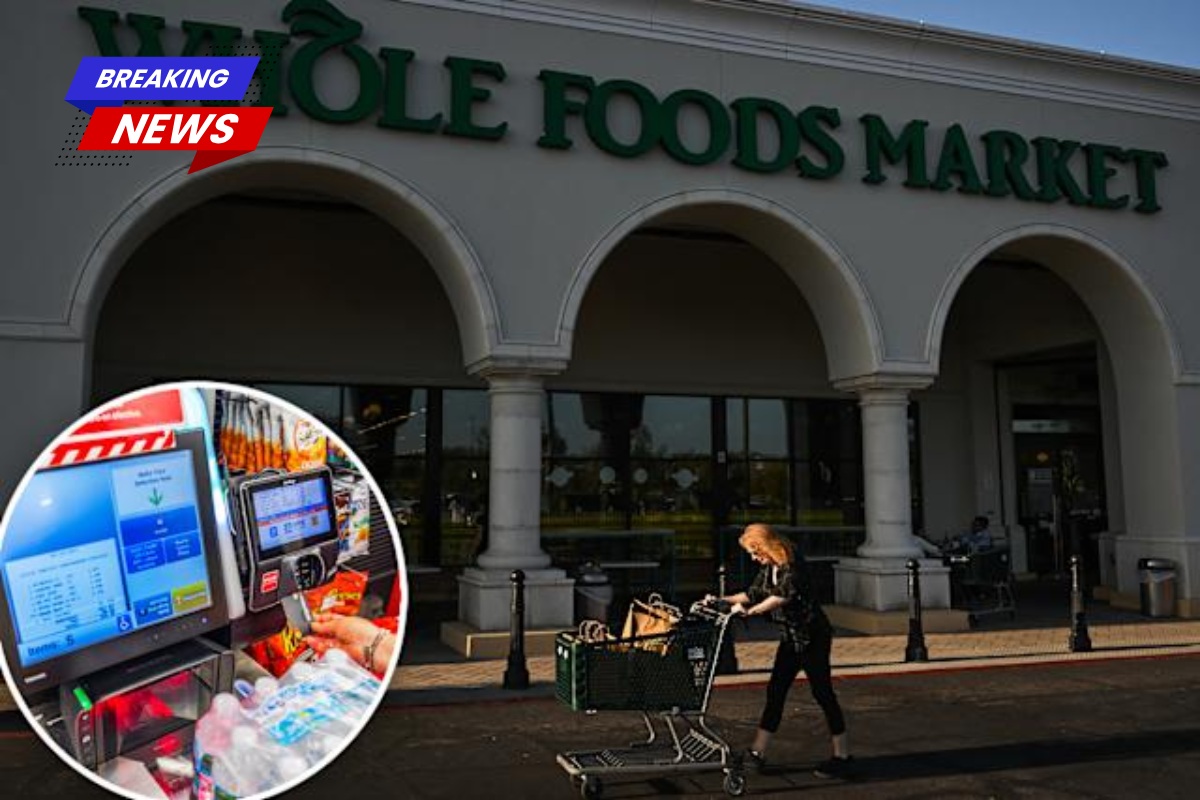
Grocery shopping is hitting family budgets hard, and some states are significantly more expensive than others. A family of four in Hawaii spends an estimated $389.66 a week, totaling about $20,262 annually, according to the US Census Bureau.
Alaska follows closely at $383.62 weekly or $19,948 per year, while California families spend around $347.45 a week, amounting to $18,067 annually. These figures were analyzed by Ex Felons Support, which used the Census Bureau’s Household Pulse Survey tracking weekly grocery spending across all 50 states.
Hawaii and Alaska face unique challenges as they import much of their food by air or ocean freight, driving grocery prices about 33% higher than the national average. Surprisingly, Mississippi ranks fifth, with families spending roughly $339.18 a week or $17,637 a year.
Analysts note that in states like Mississippi, West Virginia, and Arkansas, grocery prices may be relatively low, but households earn less, meaning food consumes a larger share of monthly income—up to 2.6% in Mississippi, according to Wallethub analyst Chip Lupo.
Other states where families of four spend the most on groceries include Nevada ($343.99 weekly), Washington ($335.71 weekly), Florida ($335.24 weekly), New Mexico ($334.22 weekly), Texas ($333.98 weekly), and Louisiana ($330.20 weekly).
Rising Food Costs and Inflation
Grocery prices for food eaten at home rose 2.9% in April compared with the same month last year, and wholesale inflation jumped 6% over the year, marking the highest increase since December 2022. Rising energy and fuel costs are a major factor, as prices for perishable and refrigerated items typically increase faster than packaged goods when energy costs rise.
Experts say the full impact of global energy issues, such as the ongoing war in Iran and rising fuel prices, may not yet be reflected in retail grocery prices. Ken Foster, an economist at Purdue University, explained that higher production, processing, storage, and transportation costs can take three to six months to reach supermarket shelves.
The Labor Department’s producer price index, which tracks inflation before it reaches consumers, increased 1.4% in April, the largest monthly gain since March 2022. Energy prices alone jumped 7.8% from March to April 2026 and 22.7% year-over-year. Gasoline rose 15.6% since March, while diesel—the primary fuel for shipping—climbed 12.6%, further impacting grocery costs.
Families across the U.S. are feeling the pinch, with some states seeing grocery bills rise dramatically due to location, income levels, and the ripple effects of global energy and shipping pressures.