Tennessee generally allows dash cams, but they must be installed in a way that does not obstruct the driver’s view. The state’s main rule is about maintaining an unobstructed windshield, not banning dash cams outright.
Tennessee dash cam rules
Tennessee does not appear to have a statute specifically naming dash cams as illegal devices. Instead, the legal issue is whether the camera mount or wiring violates windshield-obstruction rules. Industry summaries consistently describe Tennessee as a state where dash cams are legal if they are mounted so they do not block the driver’s view.
Tennessee law on vehicle equipment supports that approach by regulating windshield visibility and tint, including a rule that makes it unlawful to operate a vehicle with windshield treatment that reduces visible light transmittance below required levels. While that statute is about tint, it reflects the broader state concern: the windshield must remain clear enough for safe driving.
Where to mount it
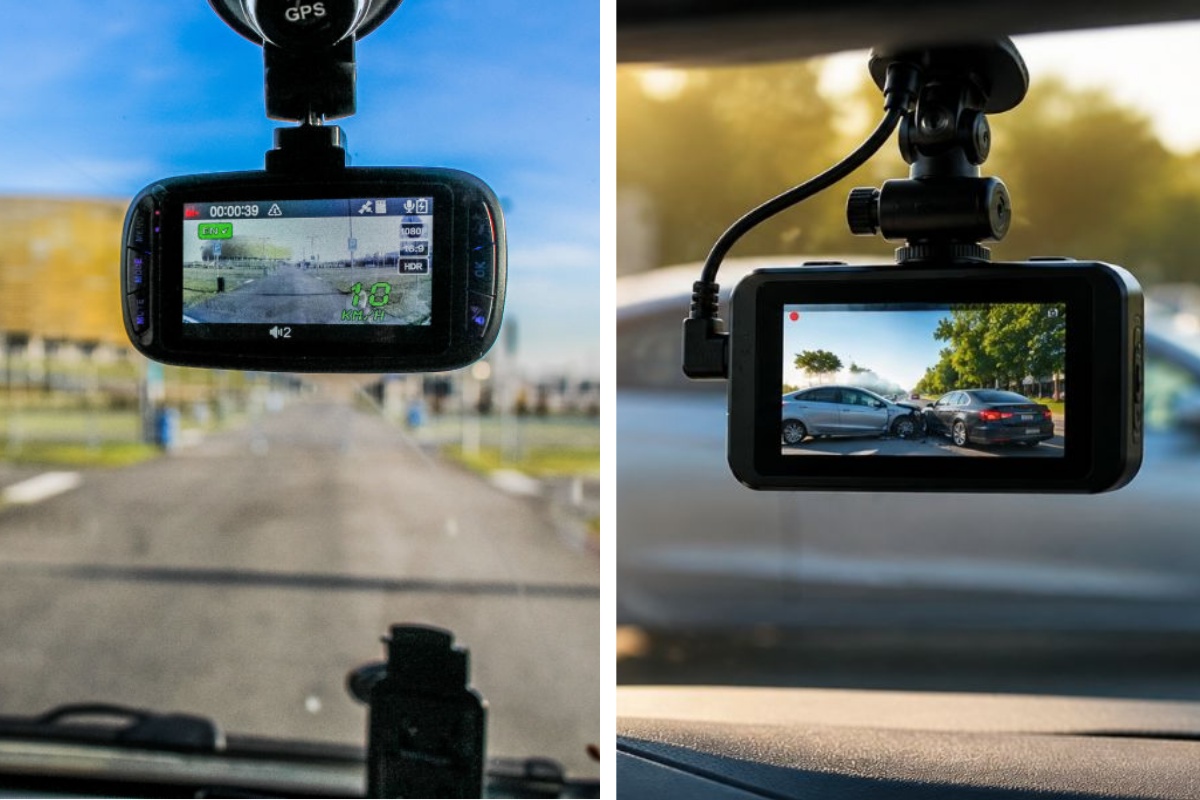
The safest placement is usually behind the rearview mirror or high on the windshield where it stays out of the driver’s line of sight. A dashboard mount is also a common option if it does not interfere with visibility or controls. Tennessee-focused legal and consumer guides note that windshield obstruction is the main compliance issue, so the mount matters more than the camera itself.
If the dash cam hangs low, blocks a significant portion of the windshield, or creates a distraction, it can draw police attention even if the device is otherwise legal. That is especially important during traffic stops, because a visibly obstructive setup can become part of a larger inspection.
Audio recording concerns
Dash cam video is usually the easier issue; audio can be trickier because recording inside a vehicle can raise consent questions depending on the circumstances. Some legal resources advise drivers to think carefully about whether passengers are being recorded and whether notice or consent is needed.
For everyday drivers, the practical rule is simple: video recording is generally less controversial than hidden audio recording, especially if other people are regularly riding in the car. If your device records sound, it is smart to check the camera settings and understand how the microphone is being used.
Court use of footage
Dash cam footage is often useful in Tennessee accident cases because relevant recordings can be used as evidence. Legal sources note that footage may be discoverable in litigation and can help show what happened before, during, and after a crash.
That does not mean footage automatically helps your case. If the video shows speeding, distraction, or a traffic violation, it can also be used against the driver who owns the camera.
Practical compliance tips
- Mount the camera high and centered, ideally behind the rearview mirror.
- Avoid any setup that blocks the windshield or distracts you while driving.
- Check local rules if you use audio recording inside the car.
- Keep the device secure so it does not fall and become a hazard.
SOURCES:
- https://gpstrackit.com/blog/what-are-the-dashcam-regulations-in-each-state/
- https://ecigator.com/guide/vaping-while-driving-in-pennsylvania/