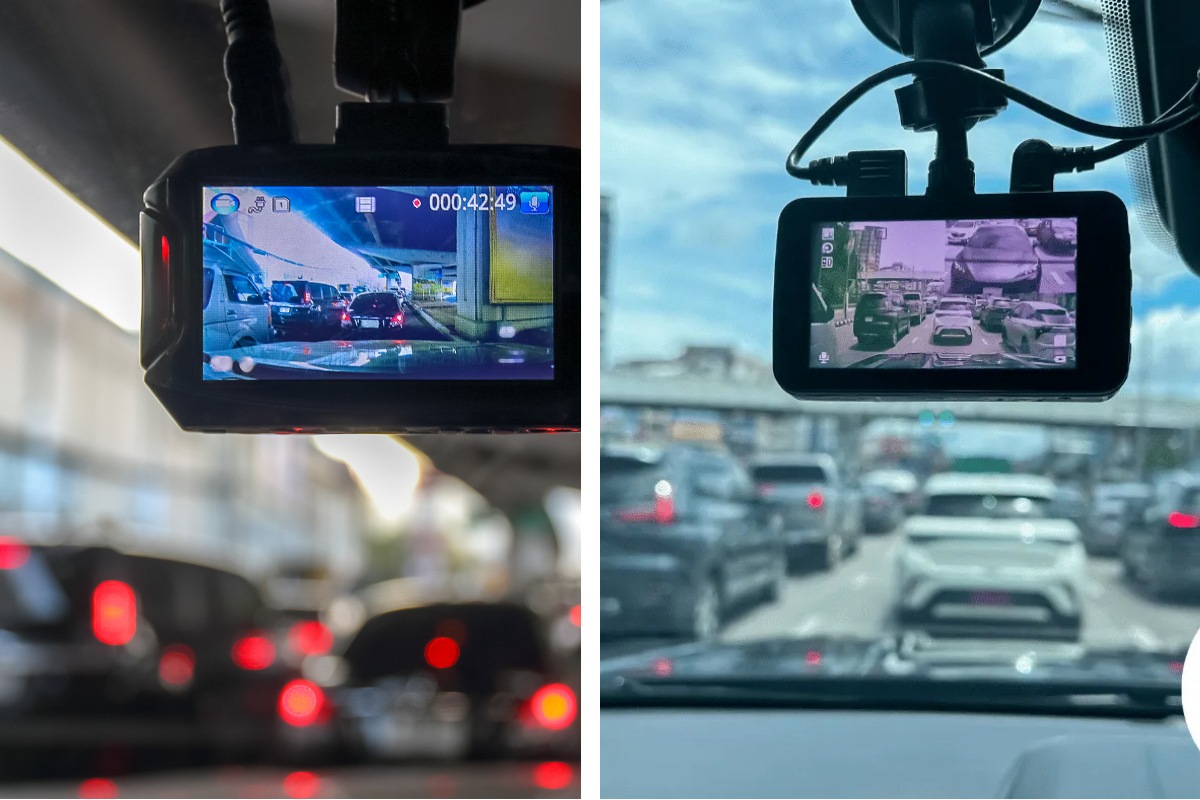
Dash cams are legal in Ohio, but the way you mount and use them matters. The main legal issues are windshield obstruction and audio recording, not the camera itself.
Ohio drivers can generally use dash cams to document their trips, crashes, and road conditions. The safest approach is to install the device in a way that never blocks the driver’s view of the road.
Where You Can Mount It
Ohio law prohibits placing objects on the windshield if they obstruct the driver’s view, and dash cams are included in that concern when mounted in the wrong place. In practice, this means a dash cam should be mounted on the dashboard or in another location that does not interfere with visibility.
Some legal commentary notes that windshield mounting is the risky choice in Ohio, while dashboard placement is the safer and more common setup. Even if a camera is small, officers can still view an obstructive mount as a visibility issue.
Audio Recording Issues
Ohio is generally treated as a one-party consent state for audio recording, meaning recording a conversation is allowed if at least one participant consents. That can make in-car audio recording lawful when you are part of the conversation.
Still, passengers may not realize they are being recorded, so it is smart to mention it or disable audio if you prefer to avoid disputes. The legal risk is lower than in two-party consent states, but audio can still cause problems if it is used in a way that violates privacy expectations.
Using Footage After A Crash
Dash cam footage can be powerful evidence in Ohio crash claims. It can help prove fault, show a hit-and-run plate number, and support your account when the other driver tells a different story.
That said, the footage is most useful when it is preserved correctly. Legal sources recommend keeping the original recording, avoiding edits, and making sure the date and time stamp are accurate so the video can be trusted in a claim or court case.
Privacy And Public Records
One important distinction in Ohio is that dash cams used by private drivers are different from police dash cams. Footage from law enforcement vehicles has been treated as public records in Ohio, though some parts may be redacted depending on the investigation.
For private drivers, the focus is not public records law but evidence and consent. If your dash cam captures only your own driving on public roads, that is generally much less problematic than secretly recording private conversations or placing the device in a way that breaks visibility rules.
Safe Setup Tips
The best Ohio setup is simple: mount the dash cam on the dashboard, keep the windshield clear, and test the angle before driving. If audio is on, be aware that conversations inside the vehicle may be recorded.
You should also keep the device from becoming a distraction. A camera that lights up, dangles, or blocks your line of sight can cause the same kind of problems as any other obstructive object. A clean installation is usually the easiest way to stay compliant and avoid unnecessary attention.
Final Take
Ohio allows dash cams, but they must be mounted so they do not obstruct the windshield and should be used with attention to audio recording rules. If you install the camera properly, it can be one of the most useful tools you have after an accident.
Sources:
- (https://www.gervelislaw.com/blog/what-are-ohios-dash-cam-laws/)
- (https://fdslaw.com/blog/motor-vehicle-accidents/using-dash-cam-footage-after-an-ohio-crash/)
- (https://slaterzurz.com/article/can-i-use-dashcam-footage-in-my-ohio-car-crash-claim/)