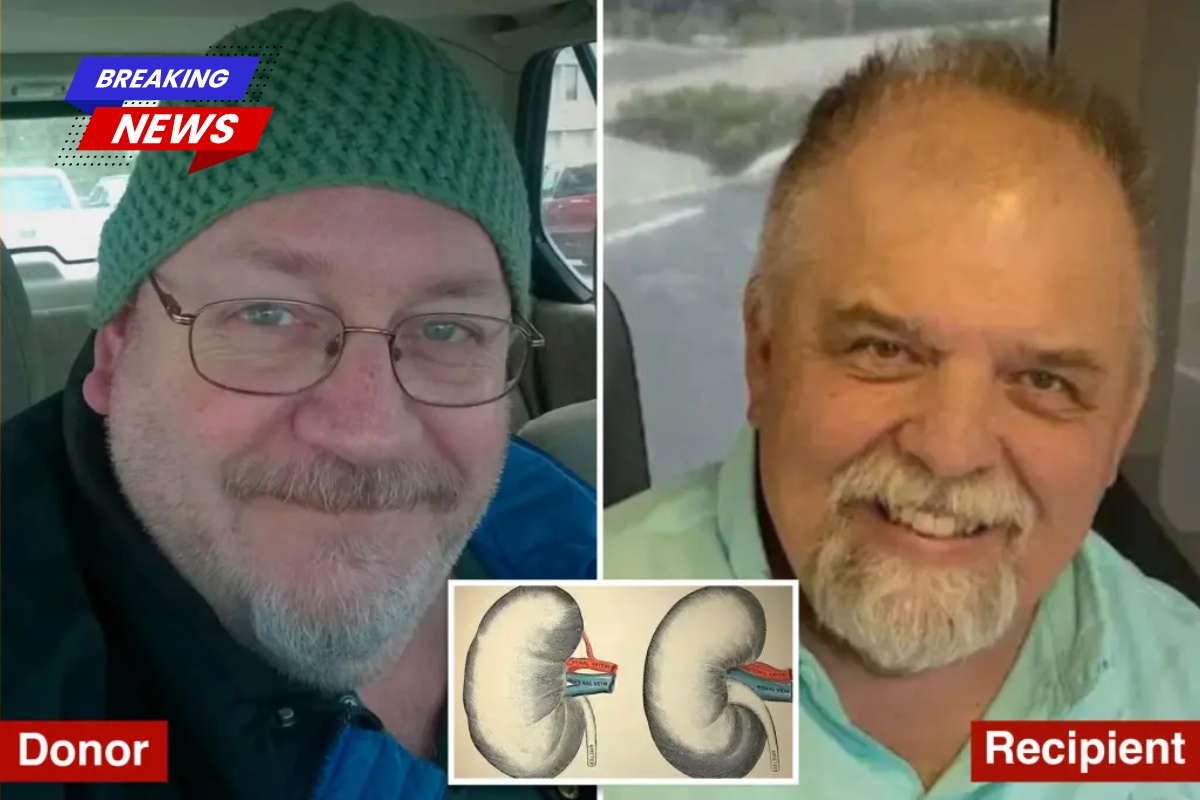
A Michigan grandfather tragically died after receiving a kidney transplant from a donor infected with rabies. The shocking case began when the organ donor had unknowingly contracted the virus from a skunk, raising concerns about safety in organ transplants.
Kidney Transplant Turns Fatal
Barney Kurowicki, of Tecumseh, Michigan, had been on dialysis for two years before receiving a kidney transplant in December 2024 at the University of Toledo Medical Center in Ohio. The donor, James Martin, a 59-year-old father from Idaho, had passed away the previous year from what his family thought were heart problems.
Symptoms Raise Alarm
Soon after the transplant, Kurowicki began experiencing tremors, weakness in his legs, confusion, and a sudden fear of water. These unusual symptoms alerted doctors, and despite their efforts, Kurowicki died within days.
Investigation Reveals Rabies Transmission
Health officials, including the CDC, investigated the case and discovered that Martin had been scratched by a skunk on his shin while rescuing his family’s kitten in fall 2024. Martin became ill and fell into a coma before his death. At the time, his family assumed his death was related to preexisting health issues.
Risk to Other Organ Recipients
Martin’s organs were donated to other recipients in six states. While his organs were tested for common diseases like HIV and hepatitis, they were not screened for rabies, a rare but deadly virus that kills about 10 people in the U.S. each year.
David McCormick, a CDC medical officer involved in the investigation, explained that testing every donor for rabies before transplantation could delay urgent organ transplants, which can be life-saving.
Rabies in Organ Transplants Is Extremely Rare
The last reported case of rabies transmission through organ or tissue transplants in the U.S. occurred in 2013, and before that in 2004. McCormick emphasized that organ transplantation in the United States remains very safe, and such events are extremely rare.
Steps to Reduce Donor-Derived Infections
A committee focused on organ transplant safety has recommended new screening questions to identify donors who may have had contact with rabies. They also propose a system for coordinating with organ procurement organizations to better evaluate potential risks, aiming to prevent similar tragedies in the future.