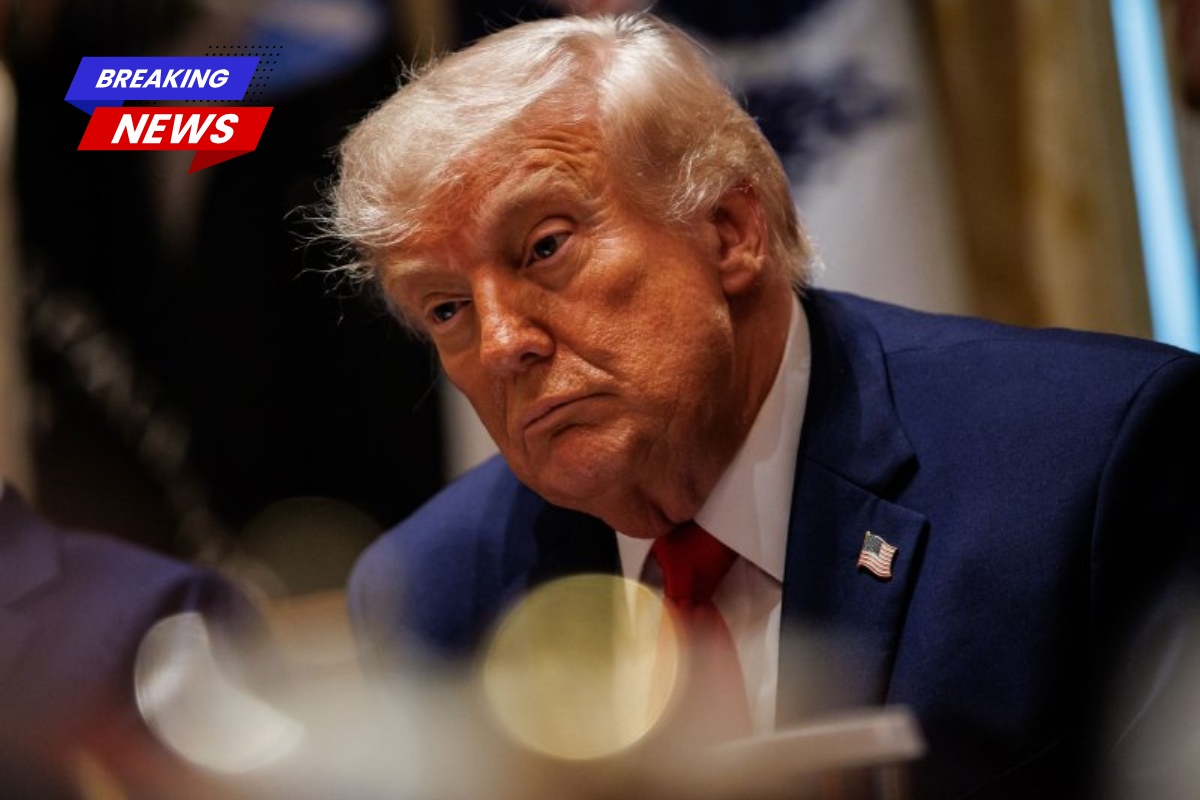
A federal judge in Miami has raised serious doubts about President Donald Trump’s planned $1.776 billion “anti-weaponization fund.”
Background of the Lawsuit
Trump originally filed a lawsuit against the IRS in January in the Southern District of Florida. By mid-May, the case was closed at Trump’s request. Instead of pursuing the lawsuit, Trump opted for a settlement intended to provide payments to his allies.
The fund was meant for individuals who were allegedly targeted by “the levers of government power” for political, personal, or ideological reasons. However, questions about the legitimacy and operation of the fund have put it in jeopardy.
Judge Williams’ Concerns
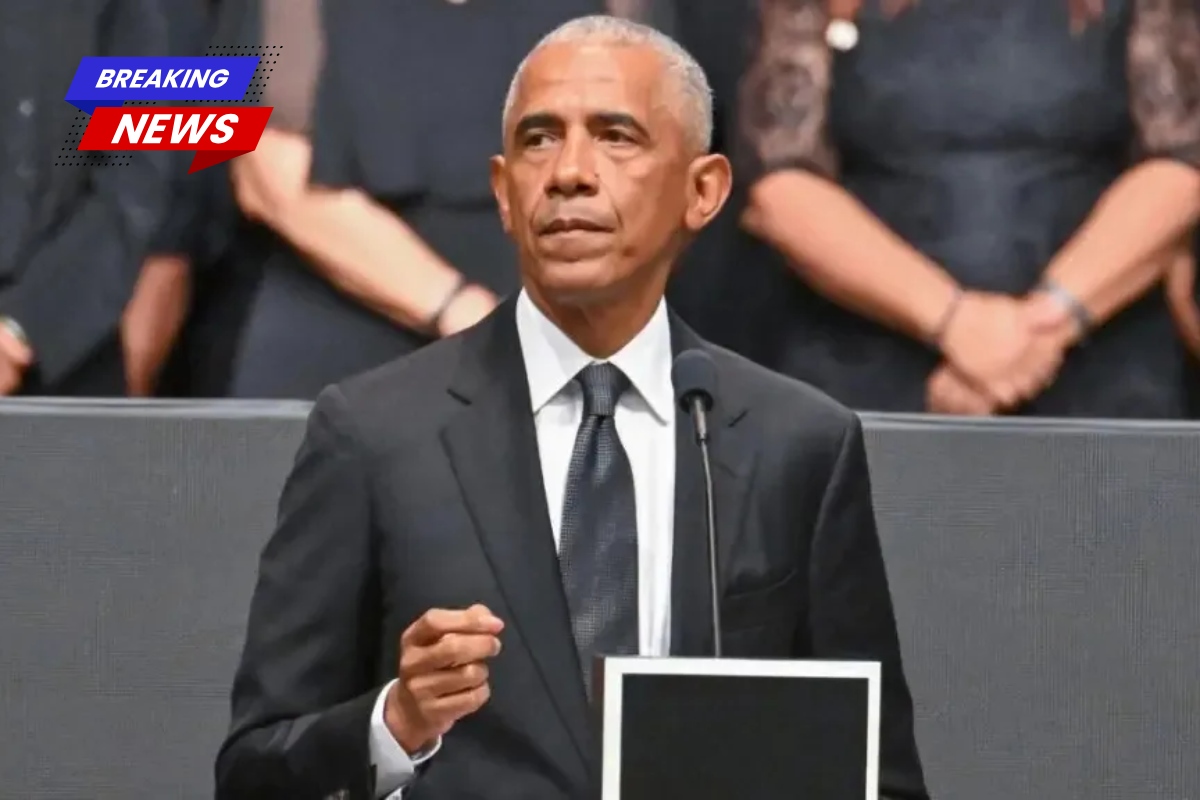
U.S. District Judge Kathleen Williams, a Barack Obama appointee, said in her May order that “there is no settlement of record.” She noted that the notice to voluntarily dismiss the case did not reference any settlement or include a settlement agreement.
Williams also highlighted other issues: federal agencies represented by the Department of Justice did not submit any settlement documents or demonstrate that the settlement was proper, especially since it was unclear whether a real case or controversy existed.
Injunction and Legal Challenges
On Friday morning, a judge in the Eastern District of Virginia issued an injunction preventing the DOJ from taking any actions regarding the fund. This includes transferring money to the fund, considering claims, or distributing any payments.
Additionally, at least four other lawsuits and claims have been filed to challenge what critics call Trump’s “slush fund.” One such claim was filed by nearly three dozen former federal judges, asking Judge Williams to reopen the case and investigate potential misconduct.
Allegations of Fraud and Collusion
Judge Williams’ late Friday order addressed serious allegations from the non-party movants. They argued that the lawsuit was filed and quickly dismissed in order to avoid judicial scrutiny and provide a false appearance of legality for the settlement.
The objections include:
- The settlement includes a three-paragraph addendum that attempts to bar the U.S. from pursuing other claims.
- Defendants did not defend against Trump’s claims despite opposing similar claims in other cases.
- The claims were likely untimely and therefore invalid.
Williams also suggested that the process might constitute a fraud on the court, citing Federal Rule of Civil Procedure 11, which allows the court to sanction parties who file lawsuits for improper purposes.
Court Orders
The judge has asked Trump and the plaintiffs to respond to the former judges’ allegations, including:
- Whether the parties were truly adverse or colluding.
- Whether the dismissal was based on deception.
- Whether the case should be reopened due to potential fraud on the court.
The government must respond by June 12, and the retired judges will have until June 19 to reply.