The United States carried out military strikes in Iran over the weekend in response to aggressive Iranian actions, including the shootdown of a U.S. MQ-1 drone operating over international waters. U.S. Central Command confirmed that fighter aircraft targeted Iranian radar and command centers, as well as two one-way attack drones that posed a threat to ships transiting regional waters.
Iranian Response and Regional Tensions
Iran’s Islamic Revolutionary Guard Corps (IRGC) stated that it struck a U.S. air base in retaliation for an attack on a telecommunications tower on Sirik Island. The announcement followed reports that Kuwait repelled drone and missile attacks linked to Iran.
These exchanges are part of ongoing regional tensions, with flare-ups continuing since a ceasefire took effect in early April, though the agreement has not collapsed.
Negotiations and Proposed Deal Changes
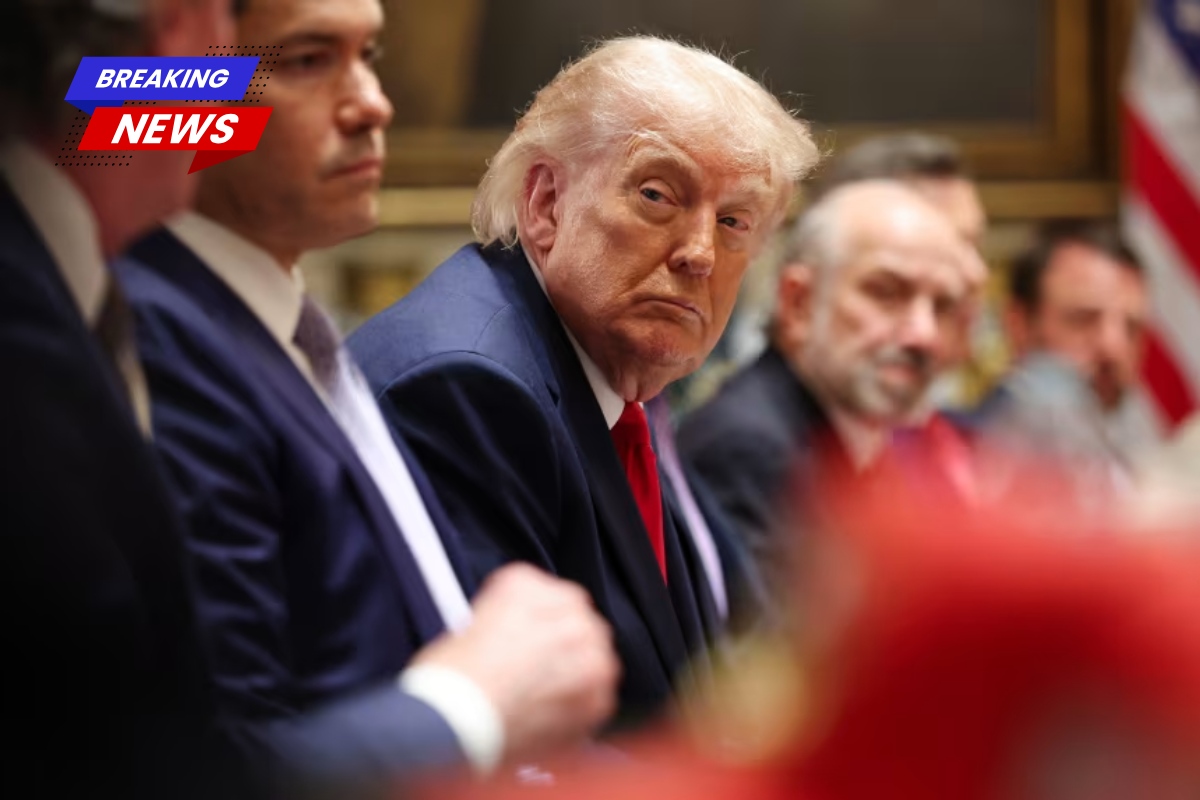
At the same time, President Donald Trump submitted proposed changes to a memorandum of understanding aimed at extending the ceasefire and reopening the Strait of Hormuz.
Trump’s modifications reportedly focused on stricter guarantees regarding Iran’s nuclear commitments and the safe navigation of the strait. While the exact details of the changes remain unclear, U.S. officials stated the proposals were largely procedural and aimed at ensuring compliance with key U.S. priorities.
The talks are part of ongoing efforts to resolve hostilities and lay the groundwork for further negotiations on Iran’s nuclear program. Despite claims on social media that the deal would include seizing Iran’s stockpile of highly enriched uranium, Iran has emphasized that details of its nuclear program are not part of the current discussions.
U.S. Naval Blockade and Enforcement Actions
In parallel with the negotiations, the U.S. Navy continues to enforce a blockade on Iranian ports to prevent the transfer of materials that could be used for hostile actions.
Central Command reported that a Gambian-flagged vessel, the M/V Lian Star, was disabled after ignoring multiple warnings while heading toward an Iranian port. This marked the fifth commercial ship disabled under the blockade, with more than 100 vessels redirected to avoid Iranian ports.
Economic Implications and Oil Supplies
The ongoing military actions and negotiations have contributed to fluctuations in global oil markets. National Economic Council Director Kevin Hassett noted that the U.S. government and private sector maintain billions of barrels in reserves to mitigate rising oil prices.
Between May 15 and May 22, the Strategic Petroleum Reserve declined by 9.1 million barrels, surpassing previous weekly records.
Average U.S. gas prices rose to $4.34 per gallon, an 18-cent drop from the previous week but still nearly 46% higher than before the conflict began. Hassett emphasized that real wage gains and stock market growth have helped offset the impact of higher energy prices for Americans.
Iranian Perspective and Ongoing Challenges
Iranian Parliament Speaker Mohammad Bagher Ghalibaf stressed that no deal will be approved without securing Iran’s “rights” and tangible achievements in return for compliance.
U.S. officials, including Senator Chris Coons, acknowledged that while the proposed terms may appear acceptable, challenges remain in enforcing commitments, particularly regarding the Strait of Hormuz and Iran’s demonstrated capabilities with drones and mines.