
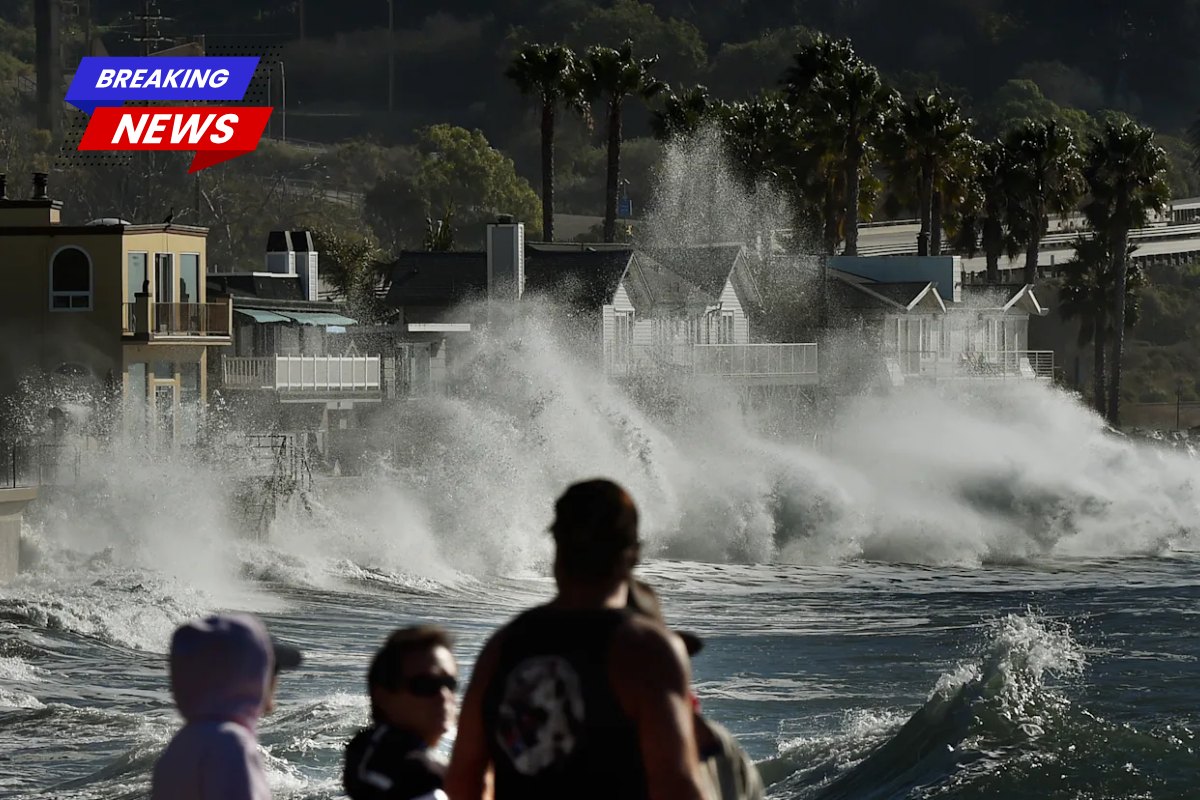
The United Nations weather agency is warning that a new El Niño event is likely to develop in the coming months, raising concerns about rising global temperatures and an increased risk of extreme weather around the world.
Scientists say the climate pattern could bring severe heatwaves, heavy rainfall, droughts, and disruptions to weather systems across multiple continents. While forecasters are still uncertain about how strong the event will become, the possibility of a rare “super El Niño” is attracting significant attention from climate experts.
UN Warns El Niño Is Likely to Return
The World Meteorological Organization (WMO) has warned that conditions are becoming increasingly favourable for the development of El Niño.
According to the agency, there is an 80 percent chance that El Niño will form before September and a 90 percent chance that it will continue through at least November.
Scientists say warming ocean temperatures in the Pacific Ocean are driving the expected development.
The WMO has urged governments and communities to prepare for possible weather disruptions linked to the climate phenomenon.
What Is El Niño?
El Niño is a naturally occurring climate pattern caused by warmer-than-average sea surface temperatures in parts of the central and eastern Pacific Ocean.
Under normal conditions, trade winds push warm surface water westward toward Asia while cooler water rises from deeper parts of the ocean near South America.
During an El Niño event, these trade winds weaken, allowing warm water to spread eastward across the Pacific.
This shift changes atmospheric circulation patterns and influences weather conditions around the world.
Why Scientists Are Concerned
Climate experts warn that El Niño can intensify existing weather extremes.
The phenomenon is often associated with higher global temperatures, stronger heatwaves, severe droughts in some regions, and heavier rainfall in others.
WMO Secretary-General Celeste Saulo warned that communities already struggling with climate-related challenges could face even greater risks.
Experts note that extreme heat remains one of the deadliest weather hazards worldwide, and El Niño can increase those dangers.
Possibility of a Super El Niño
Meteorologists are also monitoring the possibility that the upcoming event could become a “super El Niño.”
A standard El Niño begins when sea surface temperatures rise at least 0.5 degrees Celsius above average in a key region of the Pacific Ocean.
A super El Niño occurs when temperatures increase by approximately 2 degrees Celsius or more.
Forecast models suggest the chances of a very strong event have increased, although scientists caution that significant uncertainty remains.
If it develops, it would be the first super El Niño since the powerful 2015-2016 event.
How El Niño Affects Global Weather
El Niño can influence weather patterns across large parts of the globe.
In North America, winters often become warmer than normal across northern regions while southern areas experience cooler and wetter conditions.
Some regions may face increased flooding risks, while others experience drought.
Weather impacts can also extend to Asia, Australia, Africa, and South America, affecting rainfall patterns, agriculture, and water supplies.
Because every El Niño event is different, specific impacts vary from year to year.
Impact on Hurricanes
One notable effect of El Niño involves tropical cyclone activity.
Historically, stronger El Niño events tend to reduce hurricane activity in the Atlantic Ocean and Caribbean Sea.
At the same time, storm activity often increases across parts of the Pacific Ocean.
This shift can change where tropical systems develop and which regions face the greatest storm threats.
Forecasters continue monitoring how the developing event may influence future hurricane seasons.
Could Global Temperatures Reach Record Highs?
Scientists already expect the coming years to rank among the warmest ever recorded.
El Niño typically adds additional heat to the atmosphere, increasing the likelihood of new temperature records.
Some climate experts believe a strong El Niño could contribute to 2026 or 2027 becoming the hottest year in modern recorded history.
The combination of long-term climate change and a powerful El Niño event has raised concerns among researchers worldwide.
Economic and Human Costs
Past El Niño events have produced significant economic consequences.
Weather disruptions linked to droughts, floods, agricultural losses, and infrastructure damage have affected economies around the globe.
Research has estimated that previous major El Niño events contributed to trillions of dollars in global economic losses.
Beyond financial impacts, extreme weather can threaten food security, public health, and access to clean water in vulnerable regions.
Scientists Stress Uncertainty
Despite growing concern, meteorologists emphasise that forecasts are not guarantees.
Even if ocean temperatures continue rising, the exact strength and impacts of the event remain uncertain.
Climate experts note that strong El Niño events do not always produce the same outcomes.
Changing global climate conditions may also influence how future El Niño patterns behave compared to historical examples.
Forecasters will continue monitoring ocean temperatures and atmospheric conditions throughout the year.






