Public support for several LGBTQ+ issues in the United States appears to be declining after years of steady growth, according to a newly released Gallup survey.
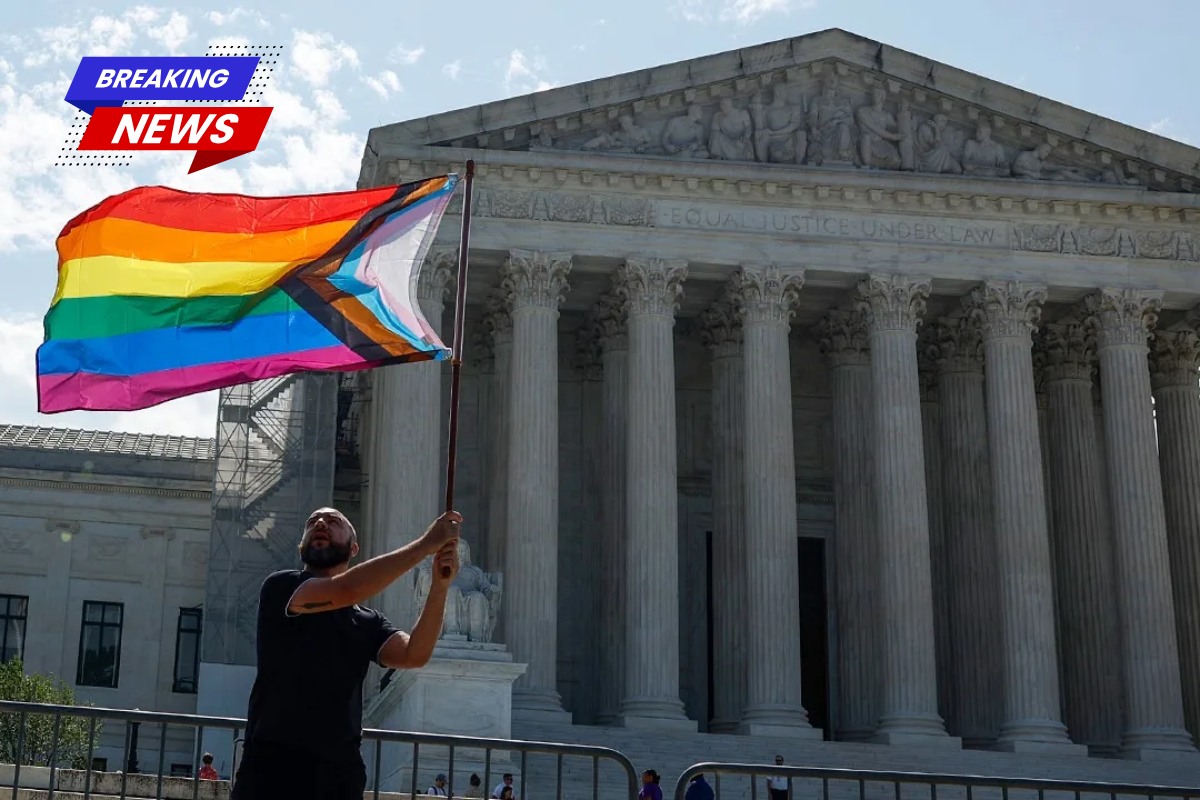
While majorities of Americans still support same-s*x marriage and acceptance of gay relationships, the latest data suggests attitudes have become more divided, particularly along political lines.
New Gallup Poll Shows Declining Support for LGBTQ+ Issues
A new survey from Gallup found that support for LGBTQ+ issues has softened in recent years after reaching record highs earlier in the decade.
The poll, released Wednesday, shows that 65% of Americans continue to support legal same-s*x marriage.
However, that figure has fallen six percentage points from its peak levels recorded in 2022 and 2023.
Researchers noted that support remains well above historical levels but appears to be moving downward for the first time in many years.
Moral Acceptance of Same-S*x Relationships Also Falls
The survey found a similar trend regarding attitudes toward gay and lesbian relationships.
According to Gallup, 62% of Americans now consider same-s*x relationships morally acceptable.
That marks the lowest level of moral acceptance reported since 2016.
While the majority of Americans continue to view such relationships positively, the decline represents a notable shift from the record highs reached earlier in the decade.
Support had steadily increased over the past two decades before recent declines began.
Views on Gender Transition Show Sharper Decline
The largest changes in public opinion were recorded on questions related to gender transition.
Only 38% of respondents said they believe changing one’s gender is morally acceptable.
Meanwhile, 57% described gender transition as morally wrong.
Gallup reported that support for gender transition has declined by eight percentage points since 2021.
The findings suggest growing public division on issues related to gender identity.
Partisan Differences Continue to Widen
The survey found significant differences in opinion between political groups.
Among Republicans, support for same-s*x marriage has dropped substantially in recent years.
Gallup reported that Republican support now stands at 37%, compared with a majority level of support recorded just a few years ago.
Independent voters also showed a decline, though less dramatic.
Among Democrats, support for same-s*x marriage has remained largely unchanged, with strong majorities continuing to support it.
The data indicates that political affiliation increasingly influences attitudes on LGBTQ+ issues.
Same-S*x Relationship Acceptance Falls Among Republicans
Views regarding the morality of same-s*x relationships followed a similar pattern.
Gallup found that acceptance among Republicans declined significantly compared with previous years.
Independent voters also showed reduced support, although the decline was smaller.
Democratic respondents remained largely consistent in their views, with strong majorities continuing to describe same-s*x relationships as morally acceptable.
The widening gap highlights the growing political divide surrounding cultural and social issues.
Gender Identity Issues Create Largest Political Divide
Questions involving gender identity produced some of the widest partisan differences in the survey.
Only a small percentage of Republicans said they consider gender transition morally acceptable.
Support was considerably higher among independents and Democrats.
Gallup noted that Republican attitudes have gradually become less supportive since 2021.
Meanwhile, support among independents and Democrats remained relatively stable until experiencing a noticeable decline in the latest survey.
Researchers suggested that the issue remains one of the most politically polarising topics in contemporary American society.
Long-Term Trends Remain Historically Significant
Despite the recent declines, support for LGBTQ+ rights remains considerably higher than it was two decades ago.
Gallup data shows that support for same-s*x marriage rose dramatically from the early 2000s through the early 2020s.
Likewise, acceptance of same-s*x relationships increased steadily over that period.
Although recent surveys indicate a slowdown or reversal in some attitudes, current support levels remain substantially above historical averages.
The long-term trend still reflects significant social change compared with previous generations.
Debate Continues Over Causes of Shift
Analysts and political observers continue debating why attitudes have changed in recent years.
Gallup suggested that increased political and cultural conflict surrounding diversity, equity, and inclusion initiatives may be contributing to the shift.
Conservative criticism of DEI programmes and debates surrounding gender identity, education, and social policy have become increasingly prominent across the country.
Others argue that public opinion often fluctuates in response to broader cultural and political developments.
The survey itself does not establish direct causes but highlights changing attitudes among voters.
Public Opinion Remains Complex
Polling experts caution that public opinion on social issues is often more nuanced than headline numbers suggest.
Many Americans may support certain LGBTQ+ rights while expressing reservations about specific policies or issues.
Attitudes can also vary depending on how survey questions are framed and which aspects of LGBTQ+ issues are being discussed.
As a result, shifts in polling data do not always indicate broad changes in support across every related topic.
Researchers continue to monitor whether the current trend represents a temporary adjustment or a longer-term shift in public opinion.