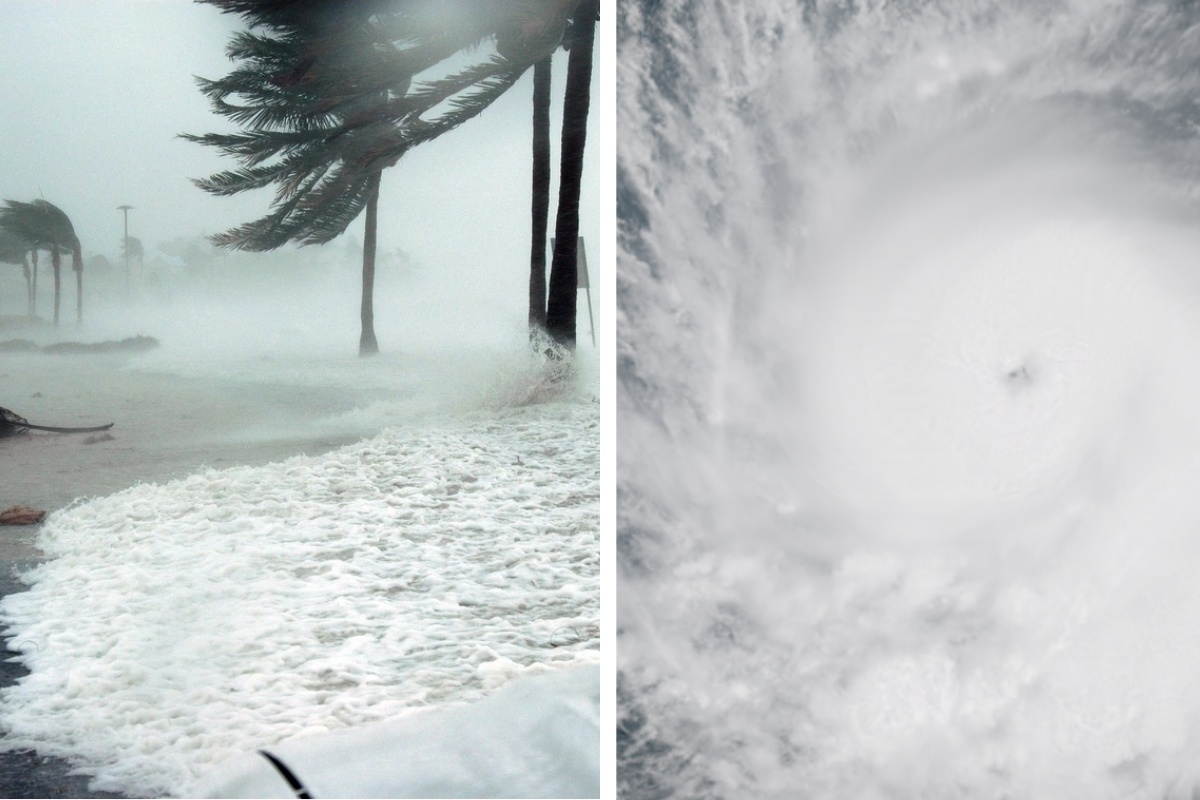
Arizona does not have its own hurricane season because hurricanes do not form over the state. Arizona is landlocked and far from warm ocean waters, so it cannot produce hurricanes.
What Arizona residents actually worry about each year is the summer monsoon season, which runs from mid-June through early September and can be boosted by moisture from Pacific and Atlantic hurricane remnants that travel inland.
When people talk about Arizona’s “hurricane season,” they are usually mixing up the University of Arizona’s Atlantic hurricane forecast with the state’s distinct monsoon pattern.
The University of Arizona’s 2026 Atlantic Hurricane Forecast
The University of Arizona releases an annual forecast for the Atlantic hurricane season, which runs from June 1 to November 30 and affects the East Coast, Gulf Coast, and Caribbean, not Arizona directly. For 2026, University of Arizona forecasters predict an above-average Atlantic season with 20 named storms, nine hurricanes, and four major hurricanes at Category 3 or higher.
This forecast is driven by very high sea surface temperatures in the Atlantic, which are expected to offset some of the suppressing effects of an emerging El Niño that could strengthen upper-level winds across the basin. A more active Atlantic season means more risk for coastal communities and a higher chance that distant tropical systems will send moisture into the Southwest, including Arizona.
How Hurricane Remnants Actually Reach Arizona
Even though hurricanes never hit Arizona intact, the remnants of tropical cyclones from the eastern Pacific and the Atlantic sometimes travel across Mexico and into the Southwest, dumping heavy rain on the state about once every two years. These are called “fish storms” because they originate over water and only stir up land when they reach the desert.
The remnants can jumpstart or intensify the monsoon by funneling tropical moisture around high-pressure ridges and triggering thunderstorms that produce lightning, strong winds, and flash flooding. Historical examples include Hurricane Bud in 2018, which helped launch the monsoon season, and Hurricane Lorena in 2025, whose breakup fueled a monsoon surge and brought heavy rain and flooding to Arizona and California.
Arizona’s 2026 Monsoon Outlook and What Makes It Different
The 2026 monsoon season officially runs from June 15 to September 30, and the National Weather Service forecasts a rainy summer for the majority of the state with odds tilting toward 33% to 40% above-normal precipitation. The best chance for above-normal rainfall is across northeastern Arizona, and temperatures are expected to be warmer than average overall.
El Niño development this summer could increase tropical cyclone activity in the eastern Pacific and boost precipitation, especially in August and September, which is when the monsoon usually peaks. This combination of an above-average Atlantic forecast, possible El Niño, and a strong Pacific monsoon pattern makes 2026 a year Arizonans should monitor closely for tropical moisture surges.
What Arizona Residents Should Do to Prepare
Because tropical remnants can cause sudden flash flooding, Arizonans should avoid driving through washes, never camp in dry riverbeds, stay away from steep canyon walls during storms, and be ready to evacuate if you live in flood-prone or wildfire-scarred areas.
Desert soils can produce instantaneous runoff with as little as half to three-quarters of an inch of rain, so even modest storms can trigger dangerous flooding in cities like Phoenix, Mesa, and Tucson. Keep emergency supplies ready, monitor National Weather Service alerts for your area, and treat all monsoon storms and tropical moisture events as serious flooding risks, not just light summer rain.
SOURCES:
- https://www.weathernationtv.com/news/remnants-hurricane-bud-jumpstart-southwest-monsoon-season
- https://www.foxweather.com/weather-news/university-arizona-early-hurricane-season-forecast-predicts-above-average-season