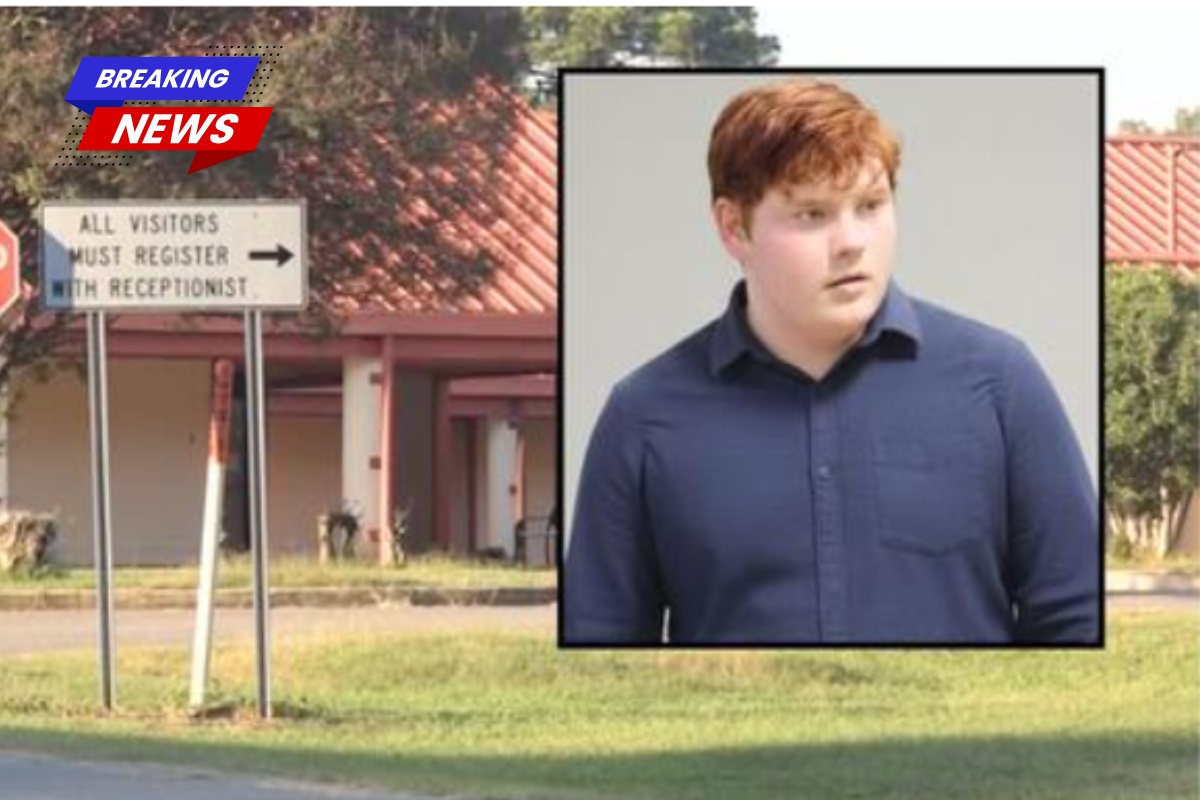
The mother of a 21-year-old Arkansas man who died while under the care of a state-run developmental center says her fight for justice is far from over. Although she has reached a settlement with the state, Angela Stephens insists her focus is now on making sure similar tragedies never happen to other vulnerable residents.
Her son, Zachary Moore, died in September 2025 after being restrained by employees at the Southeast Arkansas Human Development Center in Warren. The incident led to criminal charges against several staff members and sparked widespread concern about the treatment of individuals with intellectual and developmental disabilities.
Mother Says Settlement Is About Change, Not Money
Angela Stephens recently received a $725,000 settlement from the State of Arkansas following her son’s death. However, she says the financial compensation is not what matters most.
According to Stephens, one of the conditions she pushed for during settlement discussions was having a role in improving policies and procedures at Arkansas’ developmental centers.
She explained that another resident witnessed Zachary’s death and continues to deal with emotional trauma from the incident. For Stephens, ensuring better protections for residents is now her primary goal.
She believes meaningful reforms could help prevent future tragedies involving vulnerable individuals who rely on state facilities for care.
Who Was Zachary Moore?
Zachary Moore lived with IQSEC2 syndrome, a rare genetic disorder that affects brain development and can lead to intellectual disabilities and behavioral challenges.
His mother said that despite being 21 years old, he had the cognitive abilities of a young child. She described him as having the mental capacity of approximately a 5-year-old.
When Zachary turned 16, he was placed in a developmental center in Conway, Arkansas. According to Stephens, staff there understood his needs and developed routines that helped him thrive.
She said employees learned effective ways to communicate with him and manage his behaviors safely.
Move to Another Facility Raised Concerns
Stephens said problems began after administrators decided to transfer Zachary from the Conway facility to the Southeast Arkansas Human Development Center in Warren.
The decision confused family members because they believed the Conway staff had successfully managed his care.
According to Stephens, she was given little explanation for the transfer and felt powerless to challenge the decision.
Before the move, she and other caregivers reportedly met with staff at the Warren facility to explain Zachary’s needs and provide guidance on how best to support him.
She said they emphasized the importance of allowing him to follow familiar routines and ensuring he wore protective equipment when necessary.
Family Says Staff Ignored Important Care Instructions
Stephens alleges that staff at the Warren facility did not follow many of the recommendations that had worked successfully in Conway.
She claimed employees failed to understand how to respond safely when Zachary became frustrated or experienced behavioral episodes.
According to his mother, Zachary had specific coping mechanisms that helped prevent harm to himself and others.
She believes the lack of understanding and training contributed to escalating situations that could have been handled differently.
Communication with the facility also reportedly changed after the transfer, with Stephens receiving fewer updates about her son’s condition and daily life.
The Night Zachary Died
On September 7, 2025, Stephens received a late-night phone call informing her that her son had died.
She said the call provided very little information and left her searching for answers about what had happened.
In the days that followed, she contacted various agencies and sought details from law enforcement and emergency responders.
According to Stephens, one emergency responder described the situation as one of the most disturbing incidents he had encountered.
Determined to learn more, she worked with local authorities to obtain records and evidence related to her son’s death.
State Investigation Revealed Restraint Incident
A report later released by the Arkansas Department of Human Services outlined what investigators believe occurred before Zachary’s death.
According to the report, Moore became upset after staff took away a tablet device and instructed him to prepare for bed.
Officials said employees attempted to restrain him after he allegedly became combative.
When those efforts were unsuccessful, staff reportedly administered Geodon, a medication sometimes used to treat psychiatric conditions.
Investigators found that Zachary was held down for nearly 13 minutes before staff later realized he was not breathing.
He was subsequently pronounced dead.
Questions Raised About Staff Response
Stephens disputes aspects of how the situation was handled and believes staff failed to use methods that had previously worked with her son.
She said Zachary often responded better to certain approaches and that many of his behaviors could be managed without physical confrontation.
According to her account, what began as frustration over losing access to his tablet escalated into a fatal incident because employees did not properly understand his needs.
The case has led to intense scrutiny of training standards and restraint practices within developmental care facilities.
Employees Charged Following Investigation
Following the investigation, Arkansas officials placed multiple employees on administrative leave and removed leadership at the facility.
Authorities later charged six individuals with manslaughter and neglect of a vulnerable person.
The defendants were expected to appear in court to either enter plea agreements or announce plans to proceed to trial.
The criminal proceedings remain an important part of the family’s pursuit of accountability.
Calls for Reform Continue
Stephens says the legal case and settlement are only part of her mission.
She wants stronger hiring standards, better background checks, improved training programs, and increased oversight for employees working with individuals who have developmental disabilities.
She also hopes state officials will continue involving families in discussions about policy changes and facility improvements.
According to Stephens, meaningful reform is necessary to ensure vulnerable residents receive safe and appropriate care.