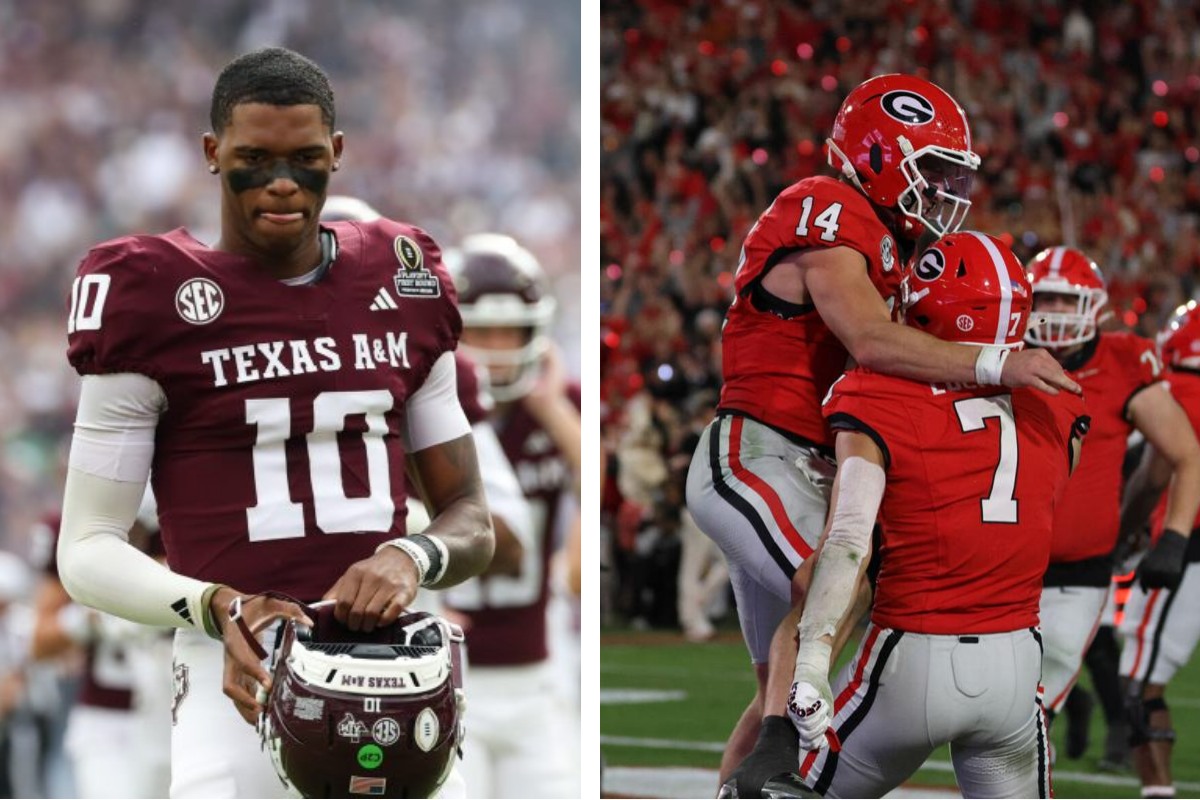
College football remains one of the most exciting sports in the United States, but the game is clearly going through a period of transition. From improved on-field competition to ongoing debates around player compensation and conference realignment, the sport currently sits in a complicated middle ground. If the health of college football were measured like an annual physical, it might earn a 3.6 out of 5 rating—solid overall, but still needing improvement in key areas.
The On-Field Product Has Never Been Better
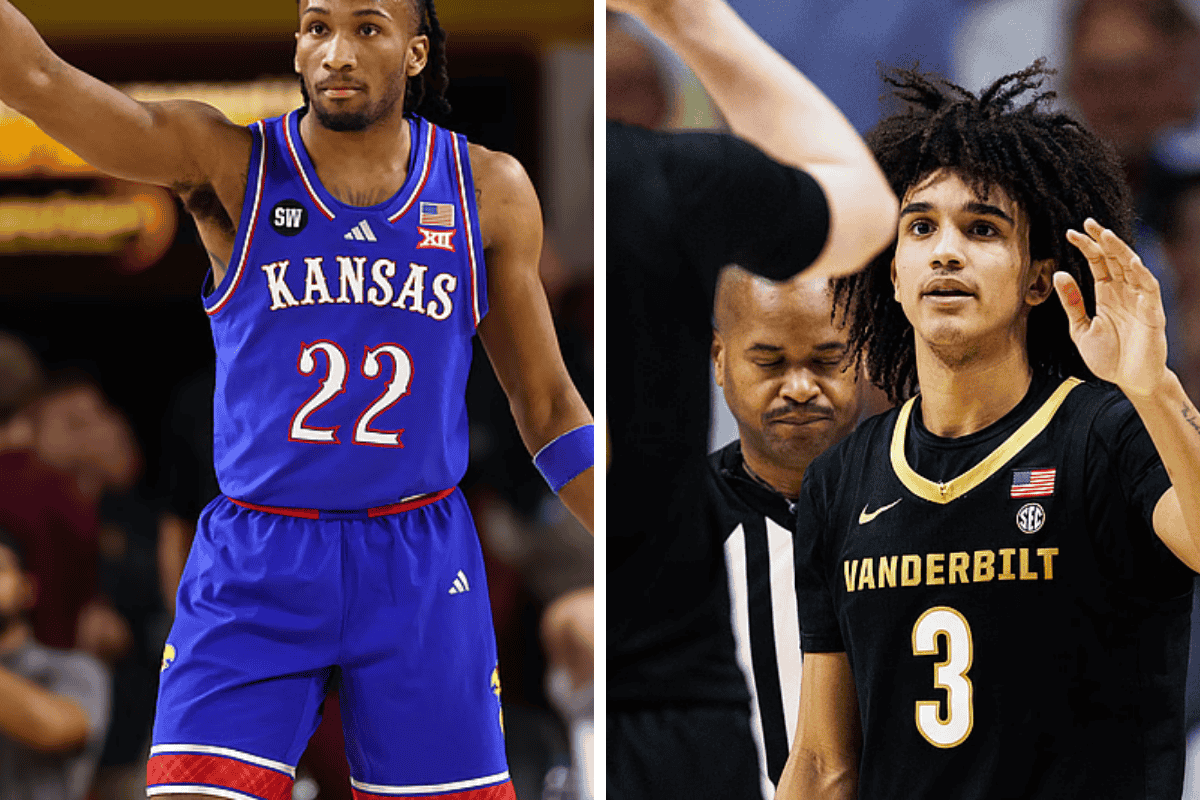
The strongest part of college football right now is the actual gameplay. The quality of competition, particularly at the quarterback position, has improved significantly across multiple conferences.
Programs across the country are producing talented signal callers, including standouts like Sawyer Robertson, Josh Hoover, Noah Fifita, Rocco Becht, and Avery Johnson. This depth of talent means even mid-tier teams now feature quarterbacks capable of creating exciting offensive performances.
Two major changes have helped create this competitive balance:
- The introduction of Name, Image, and Likeness (NIL) opportunities
- The widespread use of the transfer portal
These changes have made it harder for traditional powerhouse programs to stockpile elite talent while allowing smaller programs to build competitive rosters more quickly.
The Television Experience Keeps Improving
Another positive trend for college football fans is the ever-improving television product. Broadcasts today feature:
- High-definition and enhanced graphics
- More accessible streaming options
- Shorter game lengths
- Improved officiating transparency
For example, Atlantic Coast Conference broadcasts have introduced replay reviews where officials explain decisions directly to viewers. This level of transparency has improved the viewing experience.
However, while the games themselves are excellent, many analysts believe studio shows and pregame programming have not kept pace with the quality of the games.
Conference Realignment Creates Mixed Reactions
Conference realignment continues to reshape the sport, but opinions on the changes are divided.
On one hand, new matchups between historically separated programs have created exciting regular-season games. Fans can now watch matchups that previously occurred only during bowl season.
On the other hand, many traditional elements of college football are fading, including:
- Geographic rivalries
- Regional conference identities
- Long-standing scheduling traditions
Large conferences have begun to resemble media-driven organizations rather than traditional athletic alliances.
Some observers believe the future could involve super conferences divided into regional pods, which might restore rivalries while maintaining the benefits of expanded leagues.
The College Football Playoff Debate Continues
The College Football Playoff remains another area of debate.
Supporters of the 12-team playoff format argue that it expands access and gives programs outside traditional powerhouses a chance to compete for a championship. Teams like James Madison Dukes football and Tulane Green Wave football could now realistically reach the postseason.
Critics, however, point to several concerns:
- Constant changes to the playoff format
- Overemphasis on weekly ranking shows
- Ongoing discussions about further expansion
Despite the criticism, most fans agree that the playoff games themselves have been highly entertaining.
NIL and Money Create the Sport’s Biggest Challenge
The rise of NIL compensation has fundamentally changed college athletics. Allowing players to earn money from their personal brand is widely viewed as fair and long overdue.
However, the system currently lacks clear structure. Major concerns include:
- Limited financial transparency
- Inconsistent enforcement
- Unverified contract figures
- Reduced NCAA oversight
Many analysts compare the current NIL landscape to “dark money,” where large financial deals exist but few details are publicly verified.
The Transfer Portal Raises Cultural Concerns
While NIL remains controversial, the transfer portal is often seen as the most disruptive element in modern college football.
The portal gives athletes freedom to change schools more easily, which supporters say is necessary since coaches frequently change jobs without restrictions.
Still, critics say the system has created problems such as:
| Issue | Impact |
|---|---|
| Frequent player movement | Less roster stability |
| Talent drain from smaller schools | Programs become development pipelines |
| Shorter player tenures | Harder for fans to connect with athletes |
One traditional element of college football—the ability to watch a recruit grow into a star over several seasons—has become less common.
Some proposed solutions include:
- A one-time free transfer rule
- Transfer compensation between schools
- Restrictions on mid-season portal entry
College Football’s Current Identity Crisis
The biggest challenge facing the sport may be its identity. College football now sits between two worlds:
- A professional financial model with player compensation and free movement
- An amateur governance structure that struggles to regulate those changes
This tension is shaping nearly every major debate in the sport.
Health Check for College Football
Here is a simplified “health rating” for different parts of the sport:
| Category | Rating (Out of 5) |
|---|---|
| On-field product | 5 |
| TV broadcast quality | 4 |
| Conference structure | 3 |
| College Football Playoff format | 3 |
| NIL system | 2.5 |
| Transfer portal | 2 |
Overall, college football lands at roughly 3.6 out of 5, indicating a strong product with room for improvement. Despite its challenges, college football remains incredibly entertaining on Saturdays. The level of play continues to rise, television coverage is improving, and new playoff formats are giving more teams a chance to compete.
However, issues surrounding NIL transparency, transfer portal rules, and conference realignment still need attention. As the sport continues to evolve, finding a balance between financial realities and traditional college football culture will be critical for its long-term health.