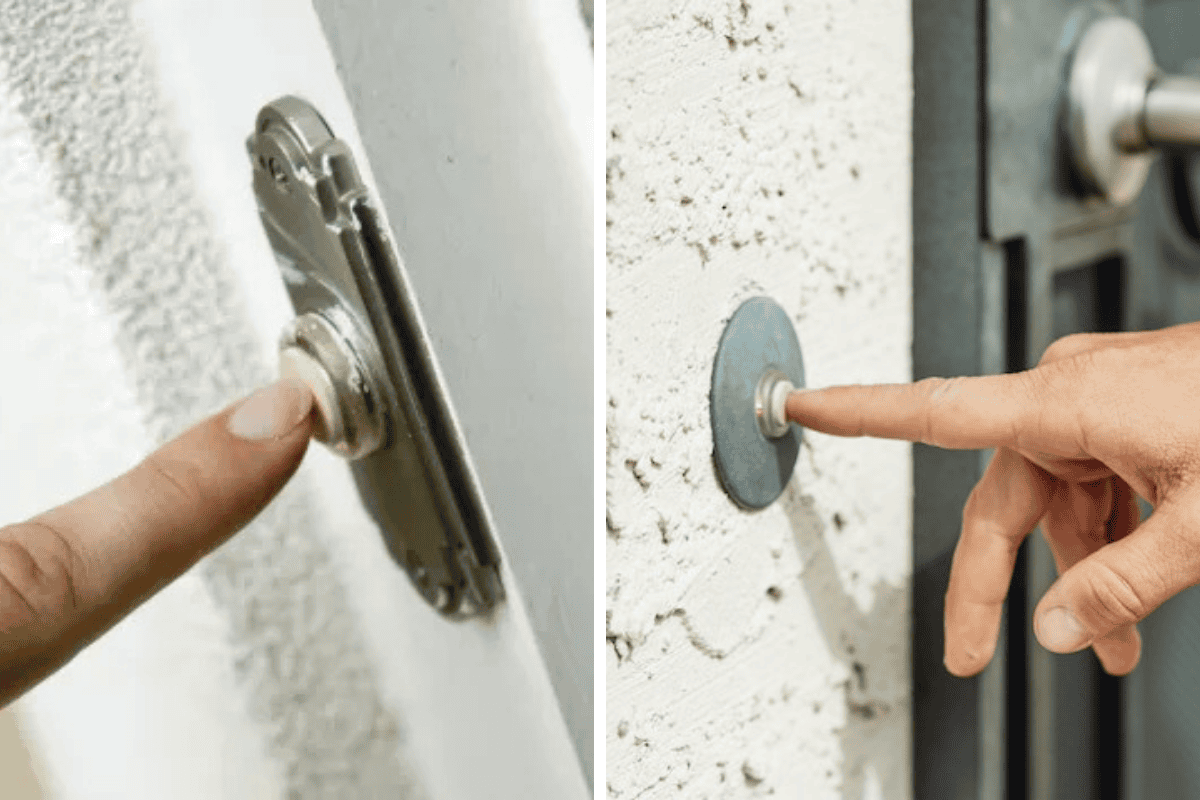
No, ding dong ditch—ringing a doorbell and running away—is not explicitly illegal in Alaska, as no specific statute targets the prank. However, it can violate broader laws on trespassing, harassment, or disorderly conduct, potentially leading to misdemeanor charges depending on circumstances.
Trespassing Under Alaska Law
Alaska Statute § 11.46.330 defines second-degree criminal trespass as entering or remaining on premises without license or privilege—a Class B misdemeanor punishable by up to 90 days in jail and $2,500 fine. Ringing a doorbell on private property without implied consent (e.g., visible “No Trespassing” signs, fenced yard, or nighttime) qualifies, especially if repeated or entering non-public areas like porches.
First-degree trespass (§ 11.46.320) escalates if entering a dwelling with criminal intent, risking harsher penalties. Porch doorbells count as premises; homeowners can press charges if feeling threatened.
Harassment and Disorderly Conduct
§ 11.61.120 covers second-degree harassment: intent to annoy, alarm, or provoke via repeated acts—another Class B misdemeanor (90 days/$2,000). Serial ding dong ditching fits, particularly targeting one house or vulnerable residents (e.g., elderly).
Disorderly conduct (§ 11.61.110) applies for public disturbances like late-night noise, with similar fines/jail. Alaska’s remote, low-density areas amplify complaints in tight-knit communities.
Enforcement in Practice
Isolated pranks rarely lead to arrests—police issue warnings first, prioritizing damage or fear. Late-night (10 p.m.–7 a.m.) acts violate quiet hours in places like Anchorage (Municipal Code 15.20), escalating risks. Rural Alaska (e.g., Fairbanks) sees stricter homeowner responses due to wildlife/bear concerns.
Victim reports trigger investigations; Ring cameras provide evidence for prosecution. Juveniles face juvenile court, parental fines, or community service.
Practical Scenarios
- Single Daytime Ring: Likely ignored; no crime if quick exit.
- Repeated/Targeted: Harassment charges probable.
- With Damage (e.g., broken bell): Criminal mischief (§ 11.46.480) adds fines.
- Group Prank: Conspiracy possible if planned.
- Apartment Complex: Trespass if ignoring “Private Property” signs.
Avoid: Fleeing aggressively (evading police § 11.56.040) or confronting owners.
Homeowner Rights
Alaskans can use reasonable force (§ 11.81.370) against perceived intruders—pranksters risk escalation. “No Trespassing” signs strengthen cases; Castle Doctrine protects dwellings.
Comparisons to Other States
Alaska lacks specific bans unlike California (misdemeanor disturbance) or Florida (2nd-degree misdemeanor). General laws align with most states, but Alaska’s property emphasis (vast wilderness) heightens trespass focus.
Best Practices to Avoid Trouble
- Stick to friends’ homes with permission.
- Daytime only; announce yourself.
- Respect signs/gates.
- Parents: Supervise kids; teach boundaries.
Alternatives: Delivery pranks or apps like Nextdoor games—legal fun.
Recent Context
As of March 2026, no new anti-prank bills; focus remains on property crimes amid tourism spikes. Social media challenges (TikTok “ding dong ditch”) prompt warnings from Anchorage PD.
If Caught
- Apologize profusely; comply with police.
- Juveniles: Parental involvement resolves most.
- Contest via attorney if charged—prove no intent.
- Contact Alaska Legal Services for low-income aid.
Ding dong ditch tests tolerance—harmless in theory, hazardous legally in Alaska. Think ahead; pranks aren’t worth court. Consult local counsel or troopers for nuances.
SOURCES:
- https://thewrangler.com/is-it-illegal-to-ding-dong-ditch-in-alaska-heres-what-the-law-says/2025/06/20/
- https://mywaynecountynow.com/is-it-illegal-to-ding-dong-ditch-in-alaska-heres-what-the-law-says/