Rising tensions in the Middle East linked to the Iran conflict are beginning to affect global shipping routes and energy supplies. In response to growing concerns about maritime security, Pakistan has announced that its navy will escort commercial vessels carrying essential fuel shipments to ensure the country’s energy supply remains stable.
Pakistan Deploys Navy to Escort Oil Shipments
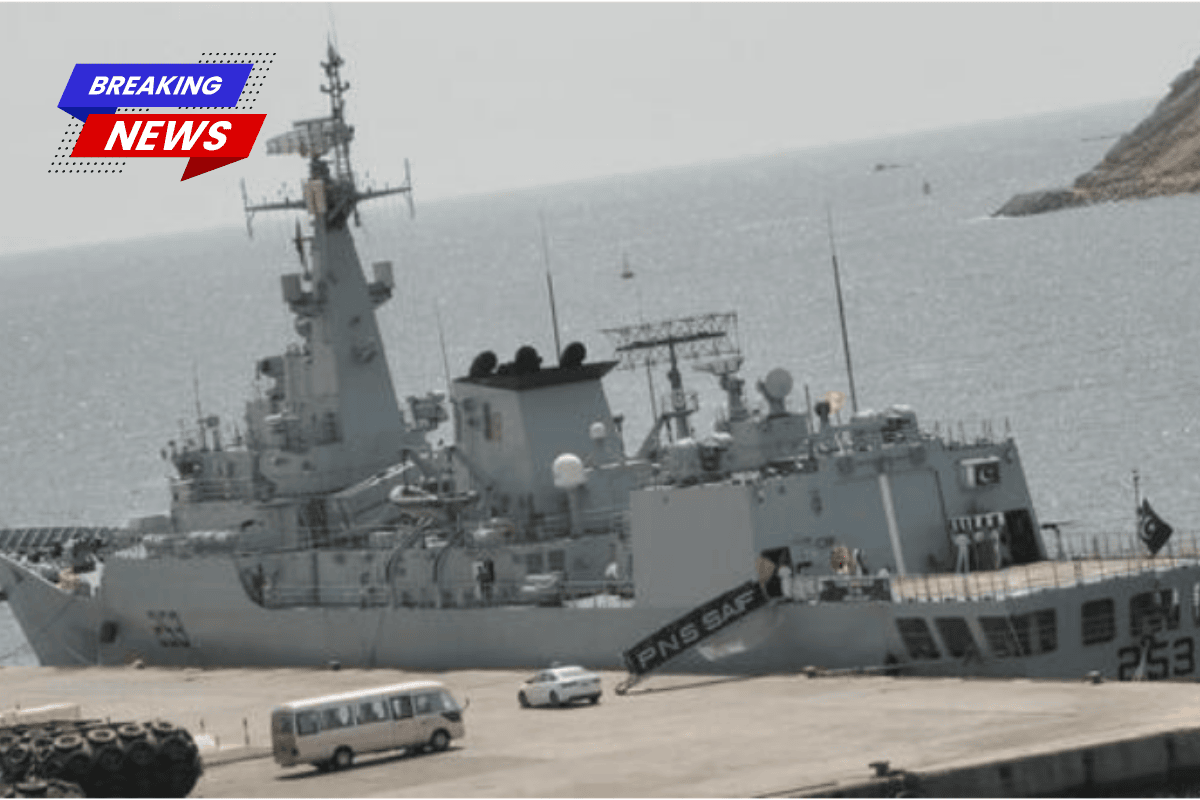
Pakistan has begun deploying naval warships to escort commercial vessels transporting energy supplies through the Middle East.
The move is intended to protect the country’s critical oil and gas shipments as regional tensions threaten major global shipping routes.
Officials confirmed that at least two vessels operated by Pakistan’s national shipping company are already traveling under naval protection.
Images circulating on social media appear to show a Pakistani warship accompanying a crude oil tanker at sea.
Protecting Vital Energy Imports
Pakistan relies heavily on imported energy to power its economy.
Much of the country’s natural gas supply comes from Qatar, while large portions of its crude oil are imported from Saudi Arabia and the United Arab Emirates.
Because these resources are delivered by sea, Pakistan depends on secure maritime trade routes to maintain its fuel supply.
Any disruption in shipping lanes could significantly affect the country’s economy and daily life.
Concerns Focus on the Strait of Hormuz
Much of the concern centers on the Strait of Hormuz, one of the world’s most important energy transit routes.
Approximately 20% of global oil shipments pass through the narrow waterway each day.
Rising tensions and the possibility of attacks or shipping disruptions have made some companies cautious about transporting oil through the region.
Pakistan’s decision to deploy naval escorts reflects growing fears about the security of vessels traveling through the strait.
Other Countries Considering Similar Measures
Pakistan appears to be among the first countries to formally send naval escorts to protect its commercial shipping in the current crisis.
However, other nations are also discussing similar security measures.
French President Emmanuel Macron has raised the possibility of coordinated naval protection for energy shipments.
India is also reportedly considering sending naval escorts after shipowners requested protection for vessels traveling through the region.
U.S. Warning Over Oil Route Disruptions
The situation has drawn attention from global leaders as the broader conflict involving Iran continues to escalate.
President Donald Trump has warned that Iran could face stronger military action if it attempts to block oil shipments through the Strait of Hormuz.
Any disruption to the waterway could affect global oil prices and energy supplies worldwide.
Pakistan Faces Energy Supply Pressure
Pakistan’s decision to escort commercial vessels comes at a time when the country is already facing a fuel shortage.
Government officials say Pakistan currently has less than two weeks of crude oil reserves available.
Supplies of liquefied natural gas are also expected to last only until the end of March.
The limited reserves have increased urgency for ensuring that shipments arrive safely.
Government Introduces Emergency Energy Measures
Prime Minister Shehbaz Sharif has announced several emergency measures to conserve fuel and reduce pressure on the country’s energy supply.
These steps include:
- Temporarily reducing the workweek to four days
- Allowing some government and private sector employees to work remotely
- Encouraging energy conservation across industries
Officials hope these measures will help stabilize fuel usage while new shipments arrive.
Impact on Daily Life
The rising cost of fuel and energy shortages are already affecting people across Pakistan.
Transportation workers and delivery drivers have reported struggling to afford enough fuel to keep working.
Some citizens say they are forced to limit travel or reduce business activity due to high fuel costs.