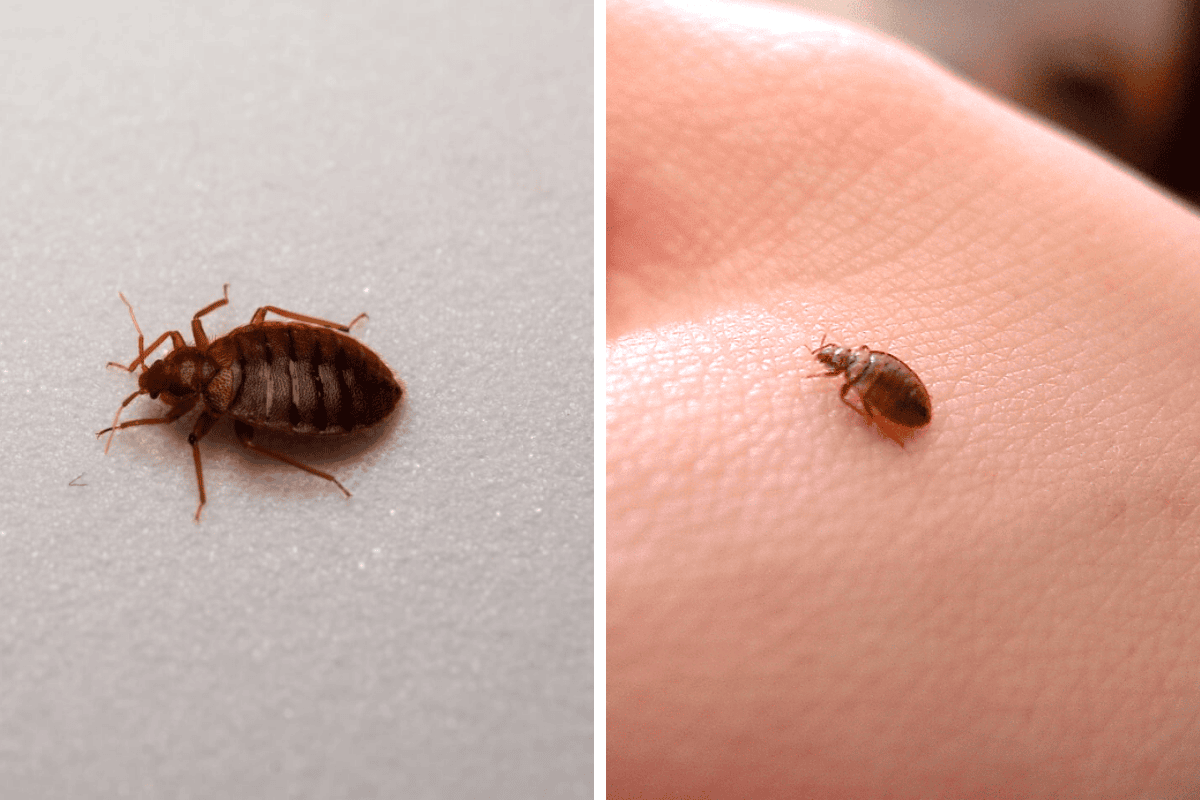
Wyoming is seeing a noticeable rise in bed bug problems, and five cities in particular—Casper, Cheyenne, Laramie, Gillette, and Rock Springs—are leading the fight against these stubborn pests. While the state still ranks as relatively low-risk compared to many others, recent reports and treatment data show that no Wyoming community is truly immune.
Wyoming’s Bed Bug Problem
Bed bugs are small, blood‑feeding insects that hide in mattresses, furniture, and cracks, and they can spread quickly through luggage, used furniture, and multi‑unit housing. Wyoming has historically seen fewer infestations than densely populated states, but extension agents and pest companies now report cases from Rock Springs, Rawlins, Laramie, Casper, Glenrock, Cheyenne, Gillette, Sheridan, Fort Bridger, and the Big Horn Basin.
National data from Orkin’s 2023 treatment rankings even placed three Wyoming cities—Cheyenne, Casper, and Laramie—among the top 50 most bed bug‑treated cities in the U.S., signaling a sharp uptick.
Typical signs of an infestation include:
- Itchy bites in clustered or linear patterns on exposed skin.
- Rusty or dark spots (feces or crushed bugs) on mattress seams and bedding.
- Live bugs or shed skins hiding in tufts, furniture joints, or baseboards.
1. Casper: Hotels and Apartments on Alert
Casper, one of Wyoming’s largest population centers, has logged bed bug incidents in both residential and commercial properties, especially hotels and multi‑family housing. Local pest control firms in Casper report growing call volume and emphasize early detection through routine mattress and bed frame inspections.
Key strategies in Casper include:
- Regular professional inspections in hotels, motels, and apartment complexes.
- Educating residents to check mattress seams, box springs, and headboards for fecal spots and live insects.
- Immediate, building‑wide responses in multi‑unit housing to prevent bugs from migrating between units.
Heat treatments (whole‑room heating above lethal temperatures), residual insecticides, and follow‑up inspections are now standard parts of Casper’s response plans.
2. Cheyenne: Travel Hub Under Pressure
Cheyenne, the state capital and major travel hub, is especially vulnerable due to high hotel turnover, tourism, and interstate traffic. Orkin’s national ranking placed Cheyenne among the top 30 U.S. bed bug cities based on treatment volume, a big jump from prior years.
Cheyenne’s response focuses on:
- Proactive hotel policies: routine room inspections, staff training to recognize signs, and immediate treatment when evidence appears.
- Preventive housekeeping, including daily vacuuming in high‑risk areas and careful handling of linens and guest belongings.
- Coordinated treatment of adjacent rooms once an infestation is found, since bed bugs readily travel through walls, wiring chases, and hallways.
Local media coverage and pest company outreach campaigns aim to reassure visitors that infestations are manageable when addressed quickly.
3. Laramie: University Town Education Push
Laramie, home to the University of Wyoming, has dealt with bed bugs in student dorms, off‑campus rentals, and hotels serving visiting families and sports teams. College environments—with shared housing, used furniture, and frequent travel—are ideal for bed bug movement.
Laramie’s main tactics include:
- Educational outreach to students on checking secondhand furniture and luggage after trips.
- Protocols in student housing for inspection, isolated treatment of affected rooms, and communication with roommates and neighbors.
- Partnerships with professional pest management companies to apply integrated pest management (IPM): monitoring, targeted pesticide use, heat treatment, and clutter reduction.
These education‑first efforts aim to catch infestations while they are still small and localized.
4. Gillette: Residential and Commercial Monitoring
Gillette has reported bed bug issues in both homes and businesses, including hotels and long‑stay accommodations for workers. Local pest providers stress that even clean, well‑maintained properties can harbor bed bugs if they are introduced in luggage or used furnishings.
Anti‑bed‑bug measures in Gillette include:
- Thorough inspections of bedrooms and living rooms, including couches and recliners where people sleep.
- Emphasis on ongoing monitoring—rechecking after treatment, using interceptors on bed legs, and watching for recurring bites.
- Clear client instructions on laundering bedding and clothing at high heat and reducing clutter to remove hiding places.
Because reinfestation is common, Gillette residents are urged to maintain vigilance even after professional treatments are complete.
5. Rock Springs: Travel and Workforce Housing Risks
Rock Springs, another key city mentioned by pest control experts, has seen bed bugs linked to hotels, workforce housing, and apartment complexes. As with other Wyoming hubs, Rock Springs contends with steady inflows of travelers and transient workers, which raises the risk of new introductions.
Common control efforts in Rock Springs involve:
- Training hotel and property staff to inspect mattresses, box springs, and furniture between tenants or guests.
- Prompt treatment of entire units and sometimes neighboring rooms when bed bugs are discovered.
- Advising residents against picking up discarded mattresses or furniture from curbs, where hidden bed bugs often linger.
Rock Springs’ experience shows how quickly an isolated problem can spread when multiple people move in and out of shared spaces.
What Other Wyoming Communities Are Seeing
Beyond these five cities, bed bugs have been reported in Rawlins, Glenrock, Fort Bridger, Sheridan, and parts of the Big Horn Basin. State and local health agencies emphasize that anyone, anywhere can get bed bugs, regardless of cleanliness or income level. Hotels attract attention, but national research suggests the majority of infestations occur in apartments and other long‑term housing.
The Wyoming County Health Department and local public health offices highlight simple prevention steps:
- Reduce clutter where bugs can hide.
- Inspect sleeping areas regularly.
- Respond promptly to any suspected bites or sightings with professional inspection and treatment.
Why Bed Bugs Are So Hard to Eliminate
Bed bugs are notoriously difficult to eradicate because they:
- Hide in tiny cracks, seams, and furniture joints, often beyond reach of over‑the‑counter sprays.
- Survive months without feeding, letting them persist between guests or tenants.
- Develop resistance to some insecticides, requiring professional‑grade products and heat treatments.
Experts recommend a structured approach for buildings and offices, which can be adapted by homeowners:
- Immediate Inspection: Isolate the suspected area and inspect thoroughly once a bug is reported.
- Professional Identification: Have a licensed pest management professional confirm that the insect is a bed bug.
- Pre‑Treatment Prep:
- Treatment: Apply targeted pesticides or heat treatments within 24 hours of confirmation when possible.
- Follow‑Up: Reinspect after two weeks and re‑treat if live bugs are found, as eggs may survive initial interventions.
How Residents and Travelers Can Protect Themselves
Whether you live in Casper or are just passing through Cheyenne or Laramie, you can reduce your risk with a few practical habits:
- In hotels or rentals:
- Place luggage on racks, not on beds or upholstered chairs.
- Pull back sheets and inspect mattress seams and headboards for dark spots or live bugs.
- Request a different room (ideally on another floor) if you find evidence.
- At home:
- After travel, inspect and, if possible, heat‑treat clothing and bags in a dryer.
- Avoid used mattresses/sofas from unknown sources.
- At the first sign of bites or spotting, call a professional rather than trying to handle a heavy infestation alone.
- For landlords and property managers:
SOURCES:
- https://thewrangler.com/insect-invasion-5-wyoming-cities-combatting-bed-bug-onslaught/2025/06/02/
- https://casperpestpros.com/bed-bug-extermination/