Rising tensions between the United States and Iran have sparked debate about what success in a military conflict would actually look like. While U.S. forces have reportedly inflicted major damage, analysts say the situation is more complicated than a simple victory or defeat. Even a weakened opponent can still respond in ways that prolong a conflict and create global consequences.
U.S.–Iran Conflict Raises Questions About What ‘Winning’ Means
The ongoing conflict between the United States and Iran has intensified discussions among political leaders, military analysts, and the public about the true goals of the campaign.
According to officials, U.S. forces launched a major attack that killed several Iranian leaders, including Supreme Leader Ali Khamenei. The operation also targeted key military and nuclear facilities.
Despite the scale of the strike, American officials confirmed that about 140 U.S. service members were wounded during the initial phase of the operation. The injuries highlight that even a heavily targeted country can still retaliate and inflict damage.
Trump Signals War Could End Soon
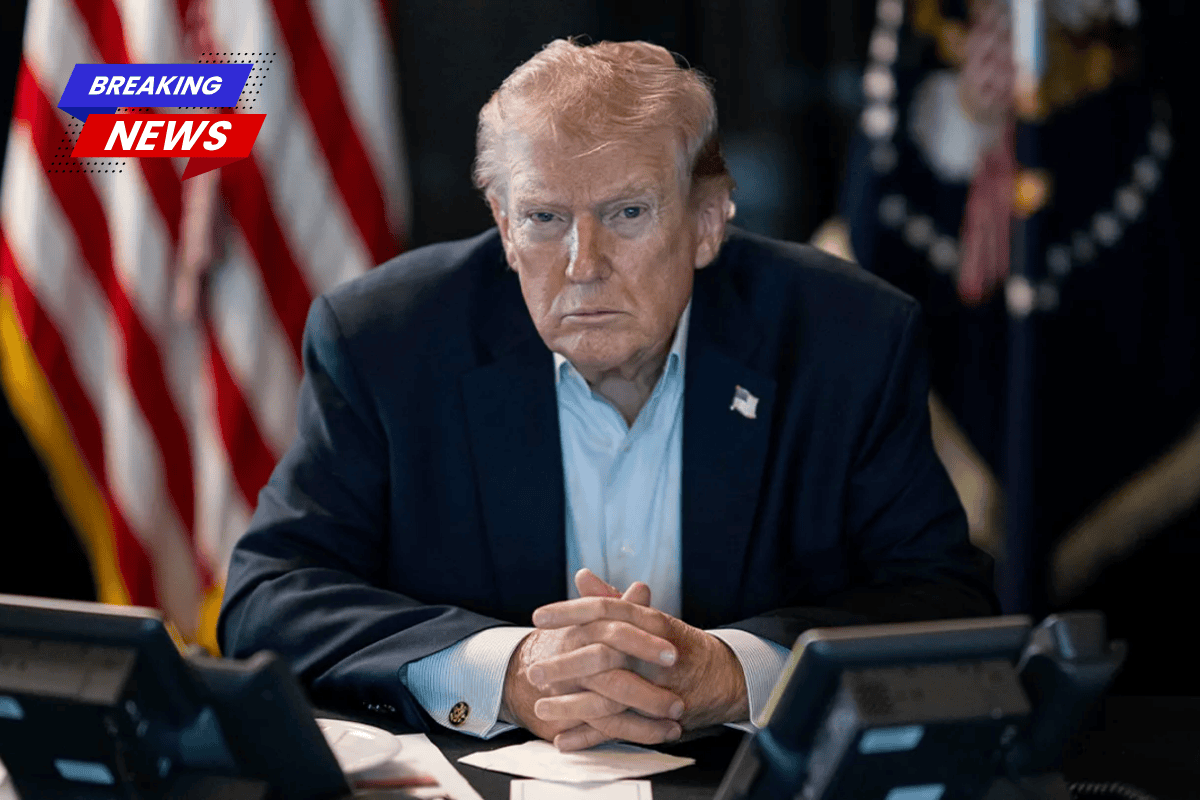
Donald Trump has sent mixed signals about how long the conflict will continue.
In a recent interview, Trump said the war could end quickly because many of Iran’s strategic targets have already been destroyed.
He stated that the United States has inflicted more damage than expected and suggested the conflict could end whenever he decides to bring it to a close.
Earlier statements from the administration suggested the campaign against Tehran might last four to six weeks.
Debate Inside the United States
The war has sparked political debate in Washington and among Trump’s supporters.
Some Republicans believe the president should declare victory and end the operation, arguing that the United States has already disrupted Iran’s nuclear ambitions.
Others say withdrawing too quickly could allow Iran to rebuild its military capabilities.
The disagreement has also created divisions within the president’s political base, particularly among those who supported his earlier “America First” policy of avoiding foreign wars.
Iran Continues to Respond
Although Iran’s military capabilities have been heavily damaged, analysts say the country still has ways to respond.
According to reports cited by experts, Iranian-backed militias have launched attacks on locations linked to U.S. personnel in the region.
Drone strikes have also been reported near facilities used by American troops in the Iraqi city of Erbil.
Iran is also believed to be attempting to disrupt shipping through the Strait of Hormuz, a critical passageway for international oil supplies.
Any disruption to the strait could affect energy markets worldwide.
Global Economic Impact
The conflict has already had economic consequences beyond the battlefield.
Some of the effects reported include:
- Increased global oil prices
- Market volatility affecting retirement savings and investments
- Rising economic uncertainty
- Concerns about job losses and unemployment
Analysts say geopolitical instability often affects global markets, especially when oil supply routes are threatened.
Military Analysts Warn Against Overconfidence
Experts say conflicts involving large nations rarely unfold exactly as planned.
Some analysts believe the United States may have underestimated how strongly Iran would respond, particularly because Tehran views the conflict as an existential threat.
Even when a country suffers significant military damage, it can still claim success simply by surviving or forcing its opponent into a prolonged conflict.
Uncertainty About the Endgame
As the conflict continues, one major question remains unresolved: what outcome would count as victory.
Possible outcomes being discussed include:
- Eliminating Iran’s nuclear development capabilities
- Forcing political changes within Iran’s leadership
- Achieving a negotiated settlement
- Ending the conflict after major military targets are destroyed
The Trump administration has previously suggested regime change in Iran as a goal, but Iran’s leadership structure appears to remain intact.