A Tennessee grandmother says she spent nearly six months in jail after being wrongly identified as a suspect in a North Dakota bank fraud investigation. The case has sparked renewed concerns about the accuracy of facial recognition technology used by law enforcement and the consequences of relying heavily on artificial intelligence during criminal investigations.
Case Overview
| Detail | Information |
|---|---|
| Name | Angela Lipps |
| Age | 50 |
| Residence | Tennessee |
| Arrest Date | July 2025 |
| Charges | Identity theft and unauthorized use of personal information |
| Technology Used | Facial recognition software |
| Time in Jail | Nearly six months |
| Case Status | Charges dismissed |
Arrest of Tennessee Grandmother
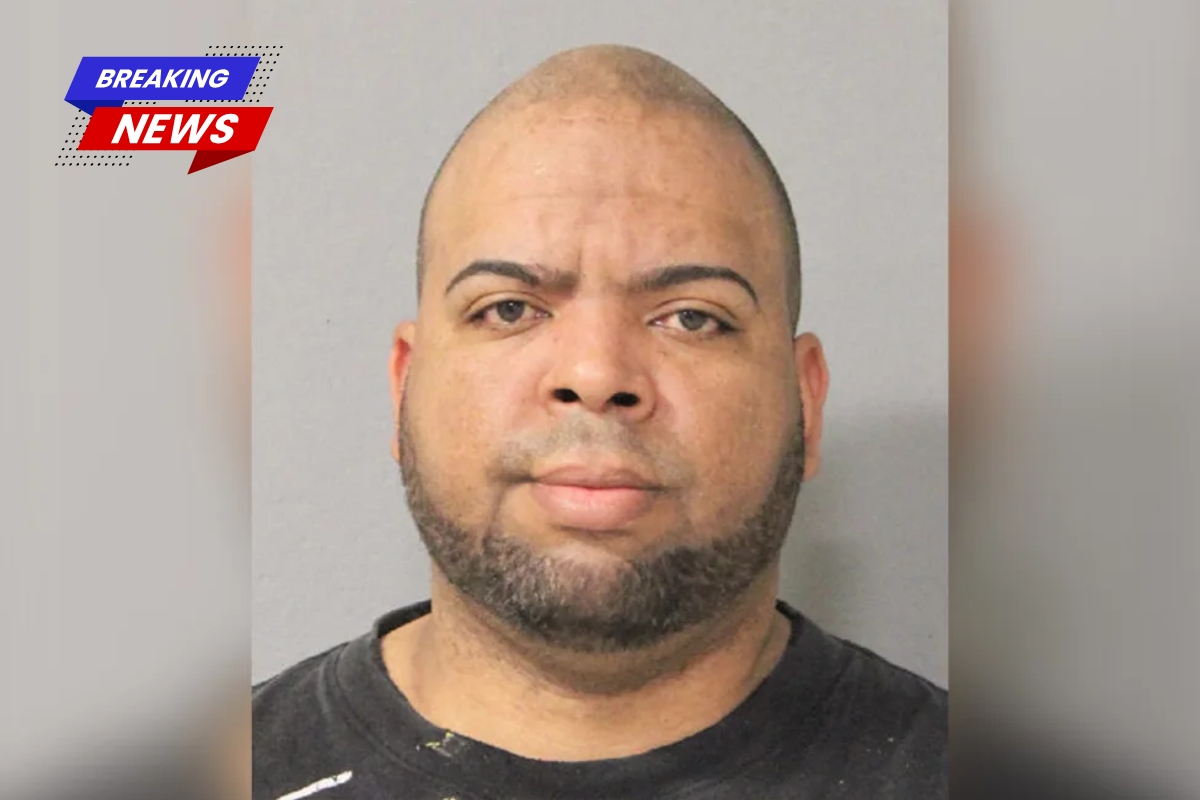
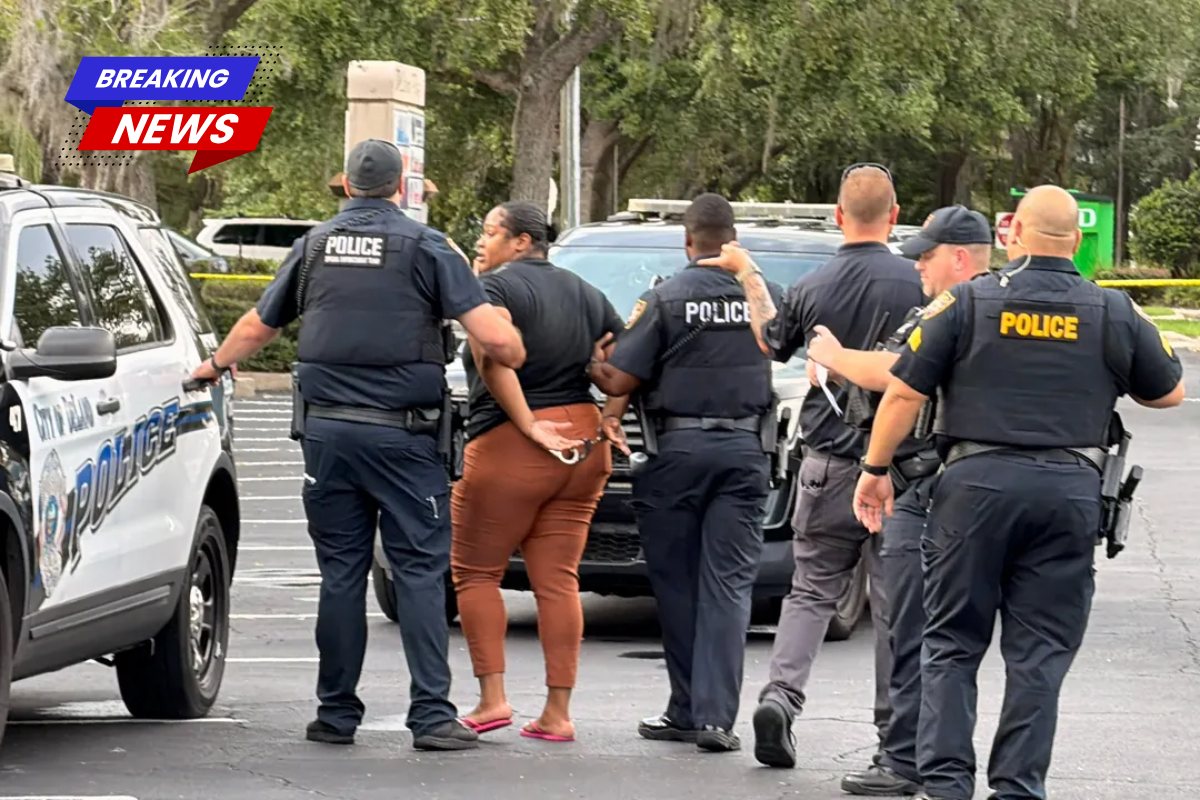
Angela Lipps, a 50-year-old grandmother from Tennessee, said she was shocked when U.S. Marshals arrived at her home in July 2025 and arrested her.
Authorities told her she was wanted in North Dakota as a fugitive in connection with several bank fraud cases.
Lipps said the arrest was frightening and confusing because she had never been to North Dakota and did not know anyone there.
She was taken into custody and booked into a county jail in Tennessee while awaiting extradition.
Bank Fraud Investigation in North Dakota
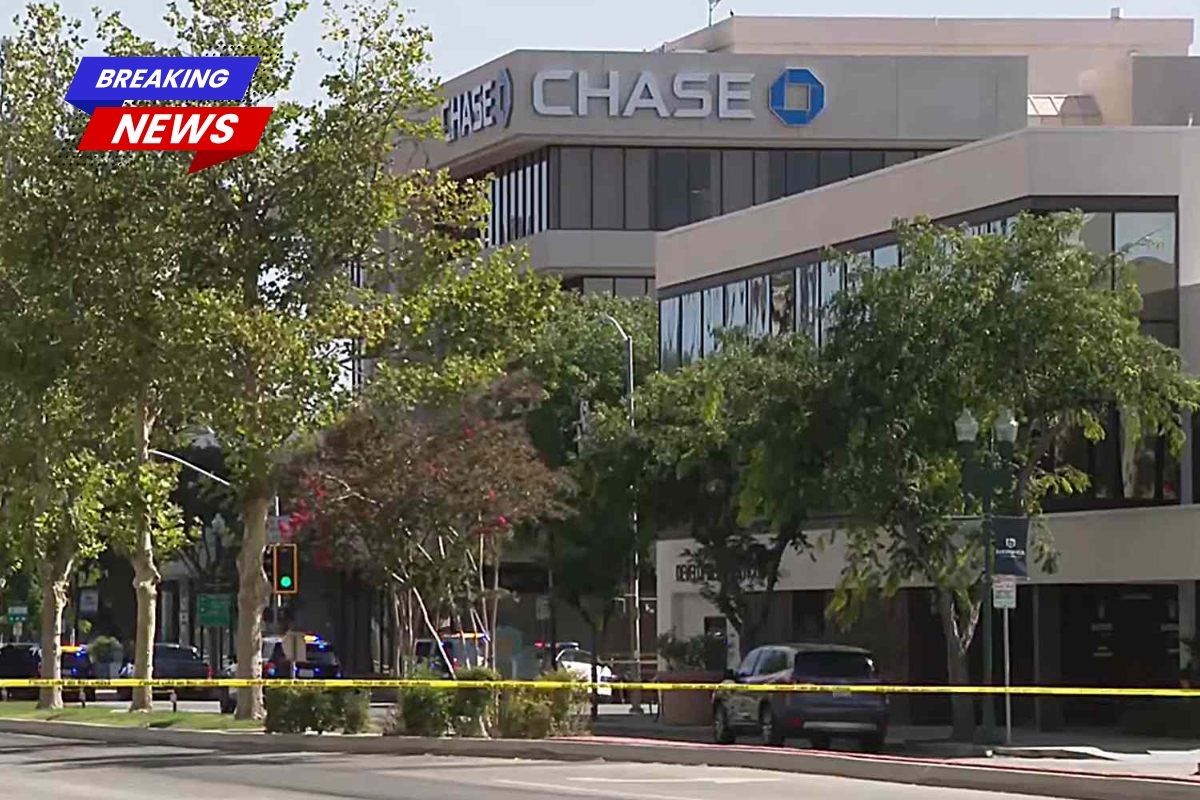
The arrest stemmed from an investigation by police in Fargo, North Dakota.
Authorities were investigating several incidents of bank fraud that occurred between April and May 2025.
According to court documents, the suspect in those crimes allegedly used a fake U.S. Army military ID card to withdraw thousands of dollars from bank accounts.
During the investigation, police reviewed surveillance footage from the banks.
Facial Recognition Software Identifies Suspect
Investigators used facial recognition software to analyze the surveillance images of the suspect.
The system flagged Angela Lipps as a potential match.
A Fargo detective then reviewed her driver’s license photo and social media profiles.
Based on facial features, body type, and hairstyle, the detective reportedly concluded that Lipps appeared to be the person shown in the surveillance footage.
This assessment led to the issuance of an arrest warrant.
Months Spent in Jail
After her arrest, Lipps remained in jail in Tennessee for about four months without bail.
She was unable to defend herself or address the charges until she was extradited to North Dakota.
Once transferred, she was finally able to hire an attorney and speak with investigators.
Lipps said the entire experience was extremely stressful and frightening.
Evidence Proved She Was Innocent
After reviewing the case, Lipps’ attorney asked her to provide bank records and other financial information.
The records showed that she was in Tennessee at the time the crimes were committed in North Dakota.
According to her lawyer, the records included everyday transactions such as:
- Depositing Social Security checks
- Purchasing cigarettes at a gas station
- Buying food, including pizza
- Using a mobile payment app to order Uber Eats
These transactions demonstrated that she could not have been in North Dakota committing the alleged crimes.
Charges Dismissed
After Lipps was interviewed by Fargo police on December 19, authorities reviewed the evidence.
Five days later, prosecutors dismissed the charges against her.
Despite being cleared of wrongdoing, Lipps said she received no assistance from authorities to return home to Tennessee.
She relied on help from defense attorneys to pay for a hotel and transportation.
Officials Respond to the Case
Fargo Mayor Tim Mahoney addressed the situation in a public statement.
He explained that the arrest warrant was issued because a court initially determined there was probable cause based on the available evidence.
Mahoney also noted that the charges were dismissed without prejudice, meaning they could technically be filed again if new evidence emerges.
Officials said the investigation remains ongoing.
Concerns About Facial Recognition Technology
The case has raised questions about the reliability of facial recognition software in criminal investigations.
Critics of the technology argue that it can sometimes misidentify individuals, particularly when used as the primary evidence in identifying suspects.
Advocates for stricter safeguards say law enforcement should rely on multiple forms of verification before issuing arrest warrants based on facial recognition results.