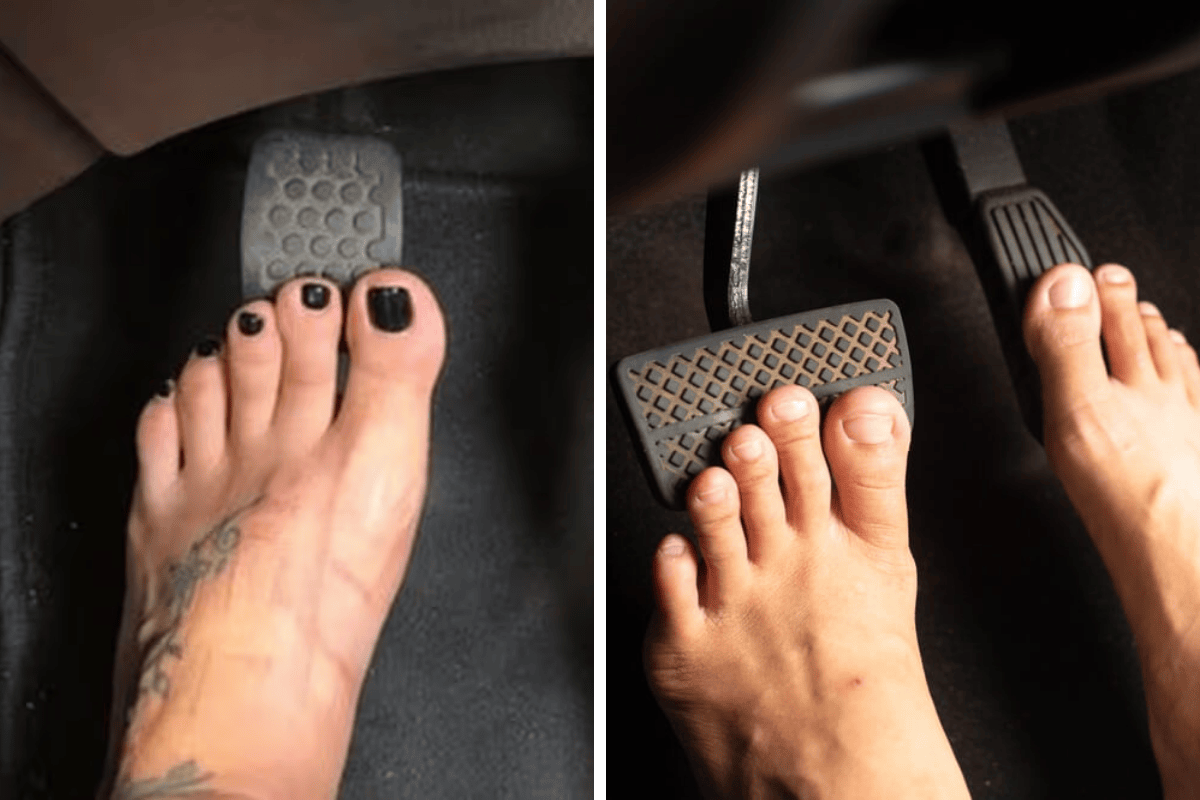
Driving barefoot is not illegal in Maine, as no state statute explicitly prohibits it. However, it can lead to liability if it contributes to an accident under distracted or reckless driving rules.
Legal Basis
Maine’s motor vehicle code, Title 29-A, lacks any footwear requirement for standard passenger vehicles. Sources like GetJerry.com confirm no statewide ban exists, distinguishing Maine from myths about mandatory shoes. Local ordinances are rare and unnoted for Portland or other cities.
Safety Risks
Bare feet reduce pedal grip, especially on accelerators or brakes, raising slip risks during quick maneuvers. Studies link barefoot driving to slower reactions and higher crash fault attribution. Post-accident, courts may deem it negligent, similar to flip-flops or heels.
Potential Penalties
If barefoot operation causes a crash, expect citations under distracted driving (29-A M.R.S. § 2111) or reckless conduct. First offenses carry $50–$100 fines, escalating to $250 for repeats, plus points and insurance hikes. Civil suits could follow for damages.
Comparisons Nationwide
All 50 states permit barefoot car driving, per DMV surveys—no federal rule applies. Exceptions: Alabama bans it for motorcycles; commercial trucks mandate secure footwear via FMCSA. Hawaii and Tennessee defer to locals, but none enforce shoe mandates.
| State/Scenario | Barefoot Legal? | Key Caveat |
|---|---|---|
| Maine (Car) | Yes | Crash liability |
| Alabama (Bike) | No | Shoes required |
| California | Yes | Not recommended |
| Texas | Yes | No federal ban |
Historical Context
The myth stems from 1950s urban legends and outdated driver manuals urging shoes for control. A 1990s nationwide DMV poll by Jason Heimbaugh debunked bans everywhere. Maine’s short summers fuel barefoot beach-to-car habits without legal pushback.
Expert Recommendations
Safety advocates like AAA advise closed-toe, low-heel shoes for traction and crash protection—bare feet offer no airbag-era shielding. Insurers may deny claims if barefoot slips prove fault. Opt for driving mocs or sneakers over sandals.
Practical Scenarios
Post-beach drive: Legal, but dry feet first to avoid slips. Long hauls: Fatigue amplifies risks without shoe support. Winter: Barefoot absurd due to cold pedals. Commercial drivers: Check employer policies mirroring FMCSA.
Insurance Implications
Barefoot crashes often spike premiums 20–40% via fault records. Adjusters cite reduced control as “avoidable negligence,” complicating payouts. Document footwear in disputes to counter claims.
Myths Busted
- “Maine requires shoes”: False—no Title 29-A clause.
- “Cops always ticket”: Only if unsafe driving proven.
- “Flip-flops safer”: No, they shift like bare feet.
This permissive stance prioritizes freedom but underscores personal responsibility—Maine trusts drivers to self-regulate for safety.
SOURCES:
- https://wcyy.com/is-it-illegal-to-drive-barefoot-in-maine/
- https://teamjustice.com/is-it-illegal-to-drive-barefoot/