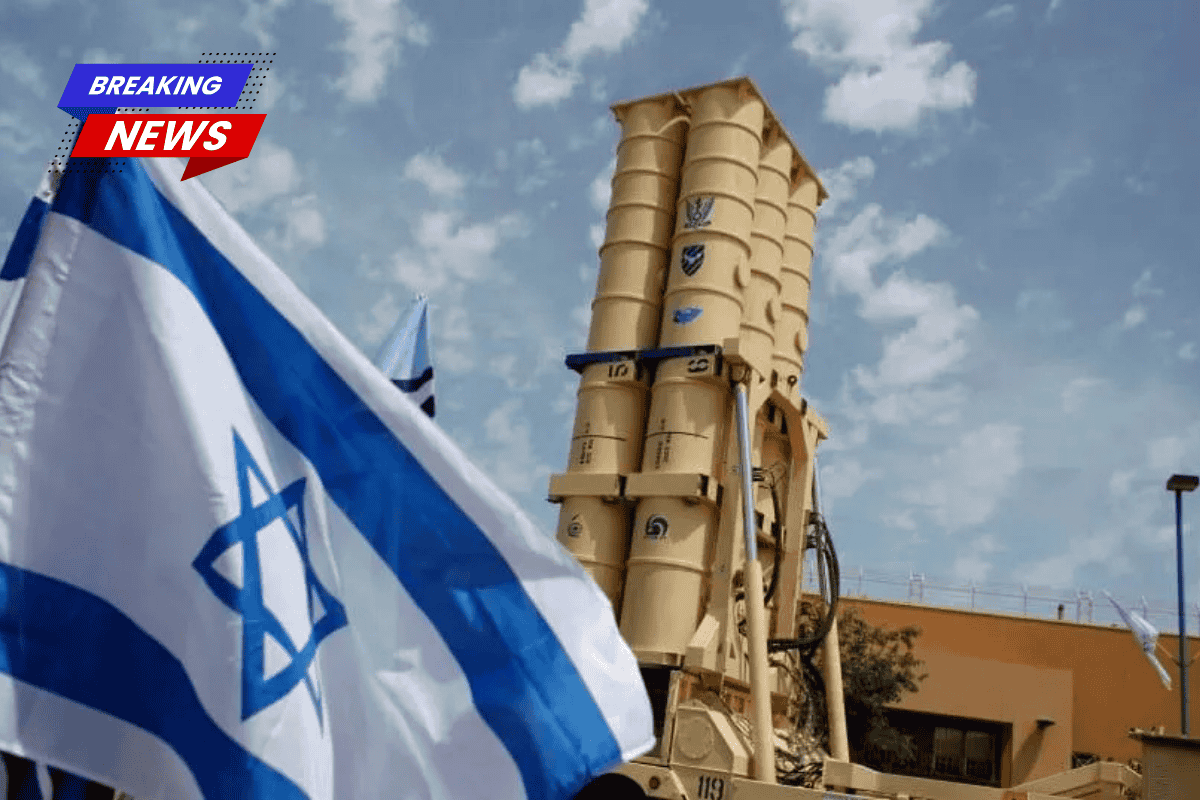
As the conflict between Israel and Iran continues to escalate, Israel has informed the United States that it is running critically low on ballistic missile interceptors, essential defense tools against long-range missile attacks. This shortage marks a significant development in the ongoing war, as these interceptors are vital in protecting the country from potential missile threats.
Reduced Supply of Interceptors
Israel’s interceptor stockpile was already reduced when the current conflict began, largely due to their extensive use in last summer’s confrontation with Iran. New reports suggest that Iran has been adding cluster munitions to its missiles, which may be exacerbating the depletion of Israel’s interceptors, as these advanced weapons create multiple smaller explosive devices that require more interceptors to neutralize.
U.S. officials confirmed that they have been aware of Israel’s dwindling supply for several months. One official stated, “It’s something we expected and anticipated.” However, the U.S. has indicated that it does not face a similar shortage of interceptors.
U.S. Stockpiles: Will America Share Its Resources?
The key question now is whether the U.S. will share or sell some of its interceptors to Israel, which could put pressure on America’s own supplies. According to one U.S. official, “We have all that we need to protect our bases and our personnel in the region and our interests.” However, Israel is actively working on finding solutions to manage its own shortage, which has raised concerns about the long-term sustainability of its defense efforts.
President Trump recently commented that the U.S. has a “virtually unlimited” munitions stockpile, but analysts have pointed out that U.S. stockpiles are lower than what the military would prefer. In fact, during the last conflict with Iran in June, the U.S. fired over 150 THAAD interceptors in a 12-day period, which some reports suggest may have been about a quarter of the entire U.S. inventory at the time.
Increasing U.S. Production of Interceptors
The U.S. has been actively addressing potential shortages by ramping up production of its THAAD missile defense system. In January, the Pentagon began substantially increasing the production of these systems. Pentagon spokesman Sean Parnell emphasized that the department has the necessary resources to execute missions as directed by President Trump.
White House press secretary Karoline Leavitt assured that U.S. stockpiles are “more than enough” to fulfill President Trump’s objectives, both in the current conflict with Iran and in future missions. She added that the U.S. will continue to work with defense contractors to quickly ramp up the production of U.S.-made weapons.
U.S. and Israeli Military Cooperation
Leavitt also pointed to the successes of U.S. and Israeli cooperation in the conflict, saying, “The United States Military’s accomplishments alongside the Israel Defense Forces speak for themselves.” She highlighted the substantial reduction in Iranian missile attacks, stating, “Iranian drone attacks are down 95 percent, ballistic missile attacks are down 90 percent, and the regime’s dismal situation will only get worse.”
The U.S. and Israel’s close military collaboration has helped Israel defend itself against a range of Iranian missile and drone threats. However, the increasing use of interceptors, coupled with Israel’s expanding military campaign in Lebanon, raises concerns about how long Israel’s interceptor stockpile can last.
Alternative Defense Systems
While ballistic missile interceptors are vital for defending against long-range threats, Israel has other defense options, including its Iron Dome system, which is primarily designed to intercept shorter-range threats. Israel also relies on fighter jets and other military assets to defend its airspace and infrastructure.
The ongoing conflict and Israel’s expanding military campaign further complicate the situation, and the country will need to consider all options for maintaining its defense capabilities as it faces mounting pressures on its interceptor supply.