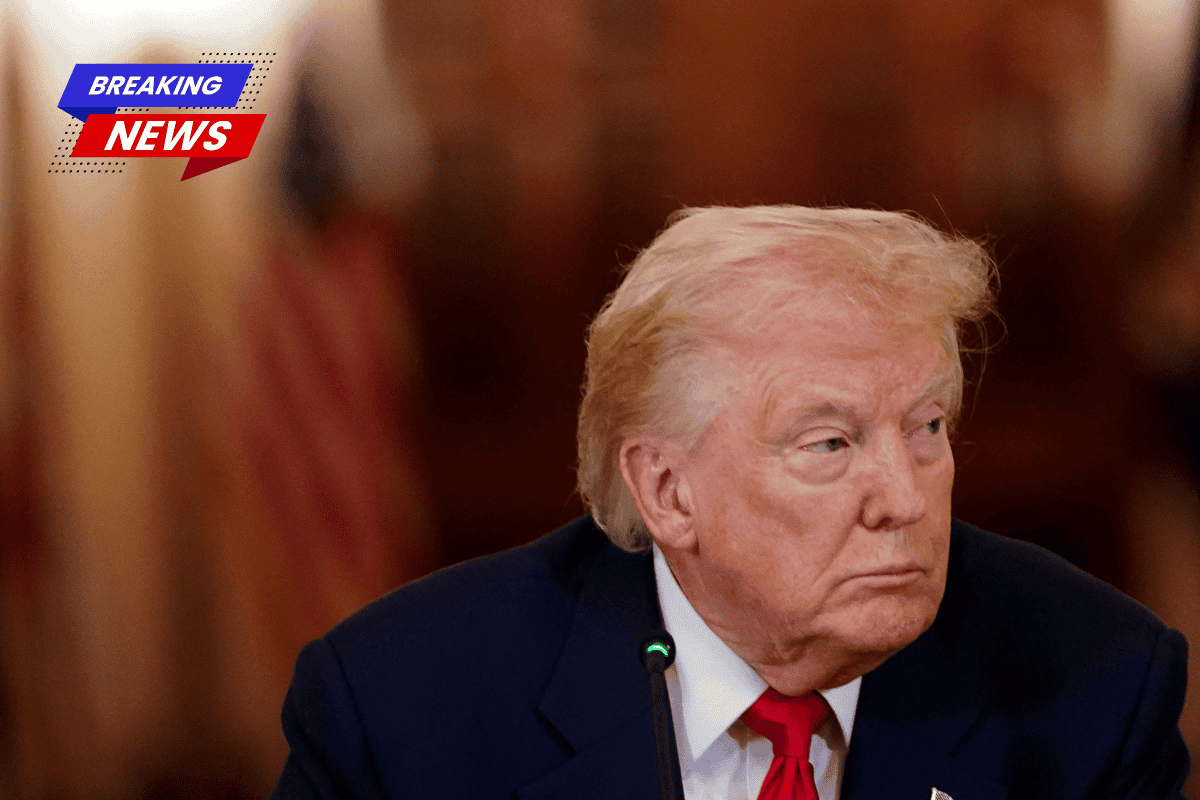
In an interview with the Financial Times on Sunday, U.S. President Donald Trump issued a stark warning to NATO allies, stating that a “very bad” future awaits if they do not help secure the Strait of Hormuz, a critical shipping lane through which approximately 20% of global oil and liquefied natural gas passes.
Trump also hinted that he might delay his scheduled summit with Chinese President Xi Jinping in Beijing, emphasizing the importance of China’s position on the issue.
Trump Calls for International Help to Keep the Strait of Hormuz Open
Trump underscored the global significance of the Strait of Hormuz, a narrow waterway located between Iran and Oman, which has become a flashpoint in the ongoing tensions between the U.S. and Iran. “It’s only appropriate that people who are the beneficiaries of the Strait will help to make sure that nothing bad happens there,” Trump said in the interview.
He expressed hope that nations, including China, France, Japan, South Korea, and Britain, would send military assets to secure the strait. Specifically, Trump suggested the use of minesweepers and other assets to counter potential threats from drones and naval mines.
“I think China should help too because China gets 90% of its oil from the Straits,” Trump told the Financial Times. He added that he would prefer to know China’s stance on the issue before proceeding with his planned trip to meet with Xi Jinping at the end of March. Trump further stated that the summit with Xi could be delayed depending on how China responds to his calls for action in securing the strait.
The U.S. Military Response to Iran’s Actions
The U.S. and Israel have escalated their military actions against Iran in recent weeks, and Trump confirmed that the U.S. is targeting Iranian forces heavily. “We’re hitting them very hard,” Trump said, referencing the ongoing military operations. Despite significant U.S. and Israeli strikes against Iran’s military, the country has managed to block shipping traffic through the Strait of Hormuz, escalating tensions even further.
Iran’s actions have forced the U.S. to push for international military involvement to keep the vital waterway open for global trade. The U.S. president further warned that if needed, the U.S. could take further action against Kharg Island, which is Iran’s main oil export hub. “We can hit that in five minutes,” Trump claimed. “And there’s not a thing they can do about it,” he added.
Criticism of Britain’s Response
Trump also criticized Britain’s response to his calls for international cooperation, particularly in regard to its initial reluctance to send ships to help secure the Strait. “The UK might be considered the number one ally… and when I asked for them to come, they didn’t want to come,” Trump told the Financial Times. He noted that Britain only offered to send ships after the U.S. had already reduced Iran’s military capabilities.
This tension with Britain comes amid a broader international debate about the role of NATO allies in supporting U.S. military operations in the Middle East and the stability of global oil markets.
The Ongoing Crisis in the Strait of Hormuz
Iran’s recent actions in the Strait of Hormuz, including attacks on oil tankers and the ongoing military confrontations, have caused significant disruptions in global energy supplies. The strait has effectively been closed to commercial shipping, raising concerns about the stability of global energy markets and the growing geopolitical risks.
Trump’s demand for greater international involvement underscores the growing urgency of addressing Iran’s control over this critical waterway and preventing further disruptions to global oil trade. If the conflict continues to escalate, further military action could exacerbate the already volatile situation in the region.