
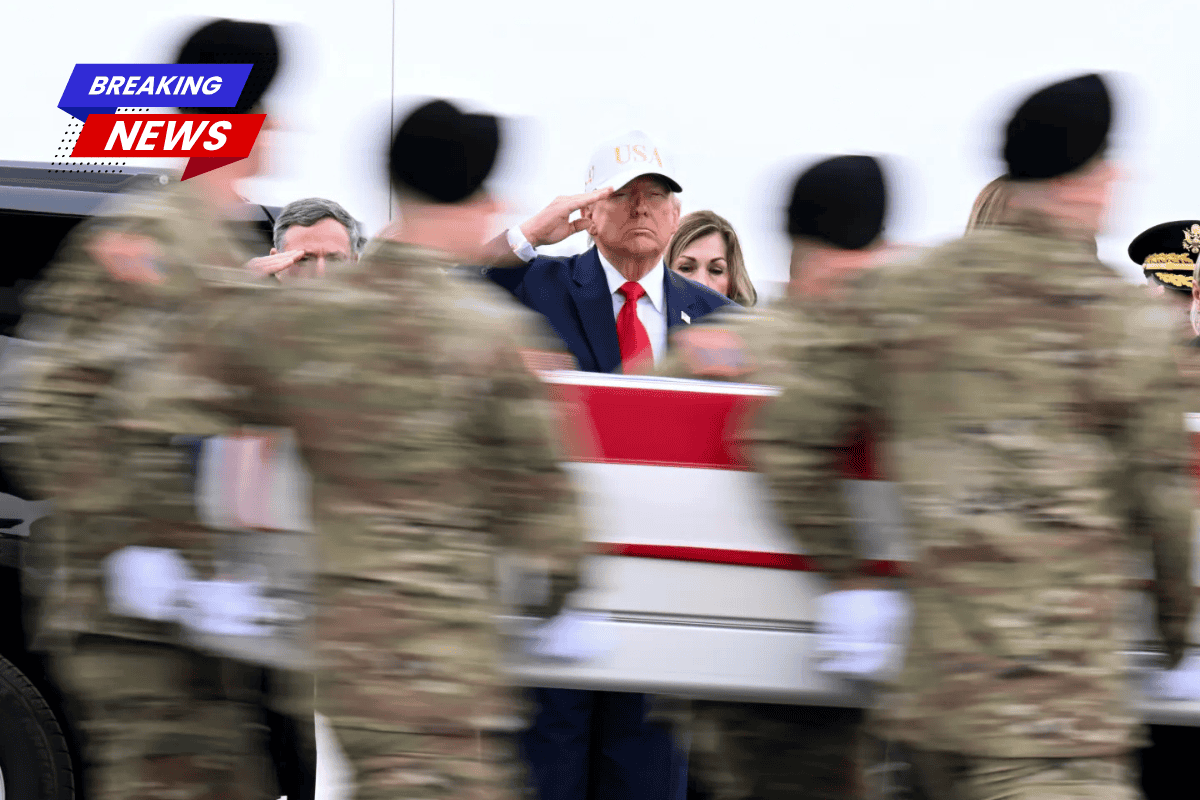
This week, President Donald Trump addressed the possibility of Iranian sleeper cells operating within the United States, warning that the Iranian regime, in its desperation, might resort to activating these covert groups to target U.S. interests. Trump’s comments about the existence and potential activation of sleeper cells come amid heightened tensions and ongoing military operations involving the U.S. and Iran.
The Threat of Iranian Sleeper Cells
Speaking to reporters on the tarmac in front of Air Force One, Trump stated, “We know where most of them are. We got our eye on all of them, I think.” He was referencing the potential for Iranian sleeper cells—small, clandestine groups of operatives living within the U.S. without drawing attention until they are activated for covert operations.
While the notion of sleeper cells has long been part of public imagination, many experts remain cautious about the reality of such groups being active in the U.S. Defense and counterterrorism officials believe the Iranian regime might resort to these tactics as a form of retribution for its mounting losses in the conflict with the U.S. and Israel.
U.S. Military Strikes and the Impact on Iran
As tensions between the U.S. and Iran continue to escalate, Trump has claimed that the U.S. has successfully targeted Iran’s ballistic missile systems, navy ships, submarines, and command and control centers. The death toll on the Iranian side has been staggering, with over 1,400 Iranians reported dead, according to Al Jazeera.
As Trump puts it, “there’s practically nothing left” to target in Iran. However, the conflict has also led to significant civilian casualties, including a tragic error in U.S. targeting data, resulting in a deadly Tomahawk missile strike on a girls’ elementary school.
Iranian Regime’s Desperation and Sleeper Cells
Some analysts, such as Wilbur Ross, former U.S. Commerce Secretary, warned that factions within Iran’s government could resort to activating sleeper cells in various countries, including the U.S., as an attempt at retribution.
Ross likened the potential activation of sleeper cells to attacks similar to the 9/11 terror attacks. Experts believe that the regime may struggle to rebuild as a significant geopolitical threat, but isolated acts of terror could still be used to escalate tensions.
Experts Weigh In: The Reality of Sleeper Cells
While some experts caution against overestimating the threat of sleeper cells, others point out that Iran often uses foreign criminal networks for covert operations. Reuel Marc Gerecht, a former CIA officer and now a senior fellow at the Foundation for the Defense of Democracies, argued that the likelihood of sleeper cells operating in the U.S. is low, as these cells would likely have been activated already.
Instead, Gerecht and others suggest that Iran’s use of criminal networks—such as the 2022 plot involving Russian criminals to target human rights activist Masih Alinejad—could be a more realistic method for the Iranian regime to execute its covert operations.
The FBI’s Warning and Current Threats
Recent reports have surfaced that the FBI issued a memo to California police departments, warning of the potential for Iranian drone strikes on the West Coast.
However, White House Press Secretary Karoline Leavitt emphasized that these threats were unverified, and no concrete evidence of such an attack had been found. The administration continues to monitor all intelligence carefully, remaining vigilant in the face of potential future threats.
Lone Wolves and the Role of Law Enforcement
Many experts, including Michael Rubin, a former Pentagon official, are more concerned about lone wolf actors—individuals who operate independently from larger networks but are still influenced by foreign powers.
Gerecht also highlighted the potential danger posed by these isolated figures, as they are harder for law enforcement to track and anticipate. Law enforcement agencies must rely on good intelligence and sometimes luck to prevent these individuals from carrying out attacks.
Iran’s Strategy: Survival and Revenge
While Iran may not have the capability to win a conventional war against the U.S., its strategy appears to be focused on survival and forcing the U.S. to end hostilities through escalating costs. Michael Allen, a national security expert, stated that Iran’s ultimate goal is not military victory but to escalate costs for the U.S. and its allies, thereby forcing a ceasefire and preserving the regime.
However, despite mounting internal pressures—including a brain drain and a severely disrupted infrastructure—Iran’s leaders are motivated by a desire for revenge, as noted by Gerecht. The regime’s pursuit of revenge has shaped its behavior both before and after the U.S.-Israeli air raids on Iranian targets, and it is likely to continue as tensions escalate.
The Complexity of Iran: Intelligence and Cultural Challenges
Intelligence gathering on Iran remains difficult, given the country’s complex demographics and multi-lingual nature. Iran has five official languages and over 60 dialects, making it difficult for foreign intelligence services to operate effectively within the country.
Israel, however, has a strong intelligence network in the Middle East, although some experts, like Michael Rubin, argue that Israel’s analysis may be influenced by its experiences with Palestinian communities, potentially causing blind spots in understanding Iranian society.






