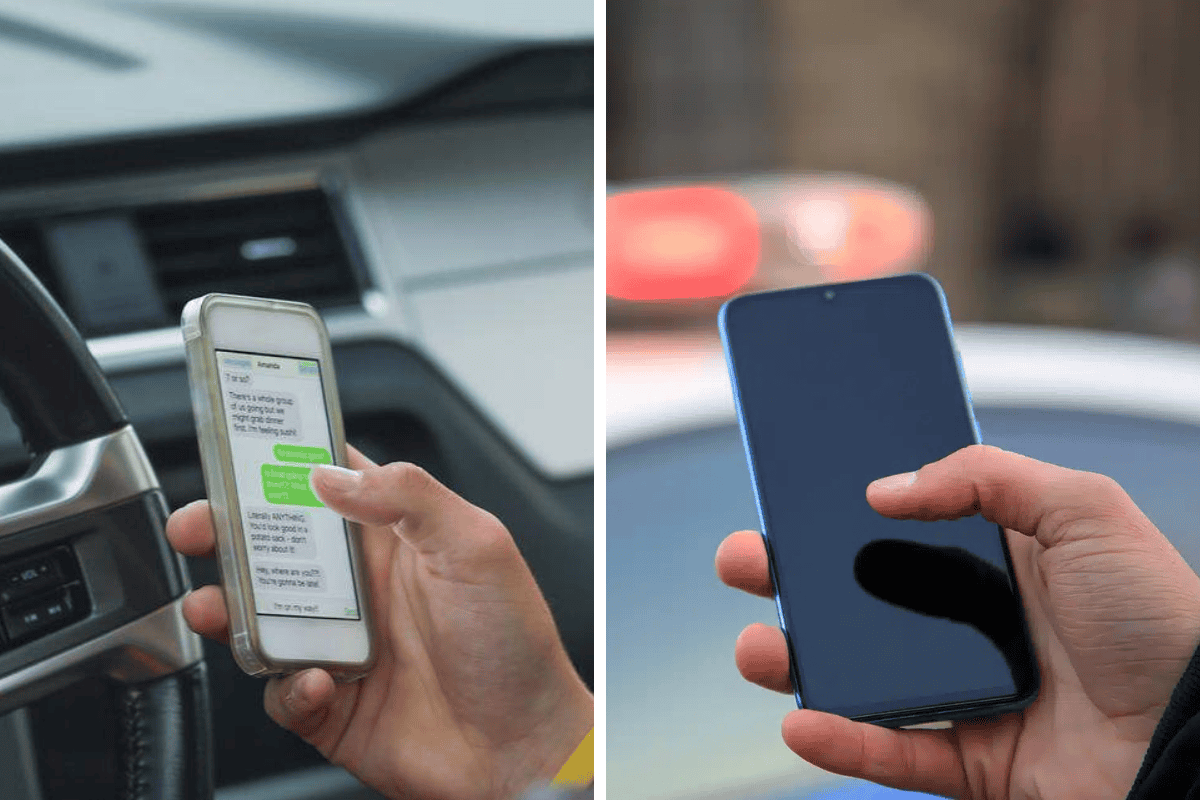
Alaska police cannot search your phone during a routine traffic stop without a warrant, your consent, or an exception like exigent circumstances, per the U.S. Supreme Court’s unanimous Riley v. California ruling (2014). This applies even if arrested during the stop—phones require warrants unlike traditional searches incident to arrest. No Alaska-specific deviations in 2026; Fourth Amendment governs.
Riley v. California Explained
In Riley, police searched an arrestee’s smartphone during a traffic stop-related arrest without a warrant, finding gang evidence for unrelated charges. The Supreme Court ruled digital data searches need warrants due to phones’ vast storage (texts, photos, apps spanning years), outweighing officer safety/evidence risks. Exceptions narrow: Can’t harm officer or hide easily like contraband; remote wipe addressed case-by-case.
Applies to all states, including Alaska—no “incident to arrest” phone rummage.
Traffic Stop Basics
Stops limited to violation investigation (ID, license, registration). Officers can pat for weapons if reasonable suspicion; order out of car (Pennsylvania v. Mimms). Phone off-limits absent:
- Consent (say “No thanks”).
- Probable cause (e.g., visible crime evidence).
- Arrest (still needs warrant for phone).
Prolonged stops unlawful without new suspicion (Rodriguez v. U.S.).
Exceptions Warrantless
| Exception | Applies? | Details |
|---|---|---|
| Consent | Yes | Voluntary; retract anytime. |
| Exigent Circumstances | Rare | Imminent destruction/emergency. |
| Vehicle Exception | Phone? No | Inventory if impounded. |
| Plain View | Exterior | Screen visible, not data. |
Emergency location data (HB 316) warrantless for missing persons, not routine stops.
Your Rights Stopped
- Remain silent post-Miranda.
- Ask “Am I free to go?”
- No answer questions beyond basics.
- Refuse searches politely: “I don’t consent to searches.”
- Record if safe (Alaska allows).
If seized, challenge via suppression motion.
Alaska Context
ACLU advises calm de-escalation; no phone access routine. Rare cases: Drugs visible prompting arrest/warrant. No wiretap expansions affect stops.
Practical Tips
Consult ACLU Alaska or attorney; rights protect privacy in digital age.
SOURCES:
- https://www.acluak.org/know-your-rights/what-do-if-youre-stopped-police/
- https://en.wikipedia.org/wiki/Riley_v._California