Lyndonville, Vermont, stands out as the poorest town in the state based on recent census data, with a staggering poverty rate topping 34%. This small community of around 1,200 residents grapples with a median household income of just $43,693—far below Vermont’s statewide median of $81,203.
While West Brattleboro CDP held the title in earlier reports at 19-21% poverty and $36k-40k income, updated figures from 2023 ACS elevate Lyndonville’s challenges.
Defining “Poorest”
Poverty metrics include U.S. Census ACS data on household income, per capita income, and % below poverty line (threshold ~$15k single/$30k family). Lyndonville leads cities/CDPs: 34.95% poverty, edging Richford (33.36%). State average 9-10%.
Median income $43,693 vs. state $81k; per capita low.
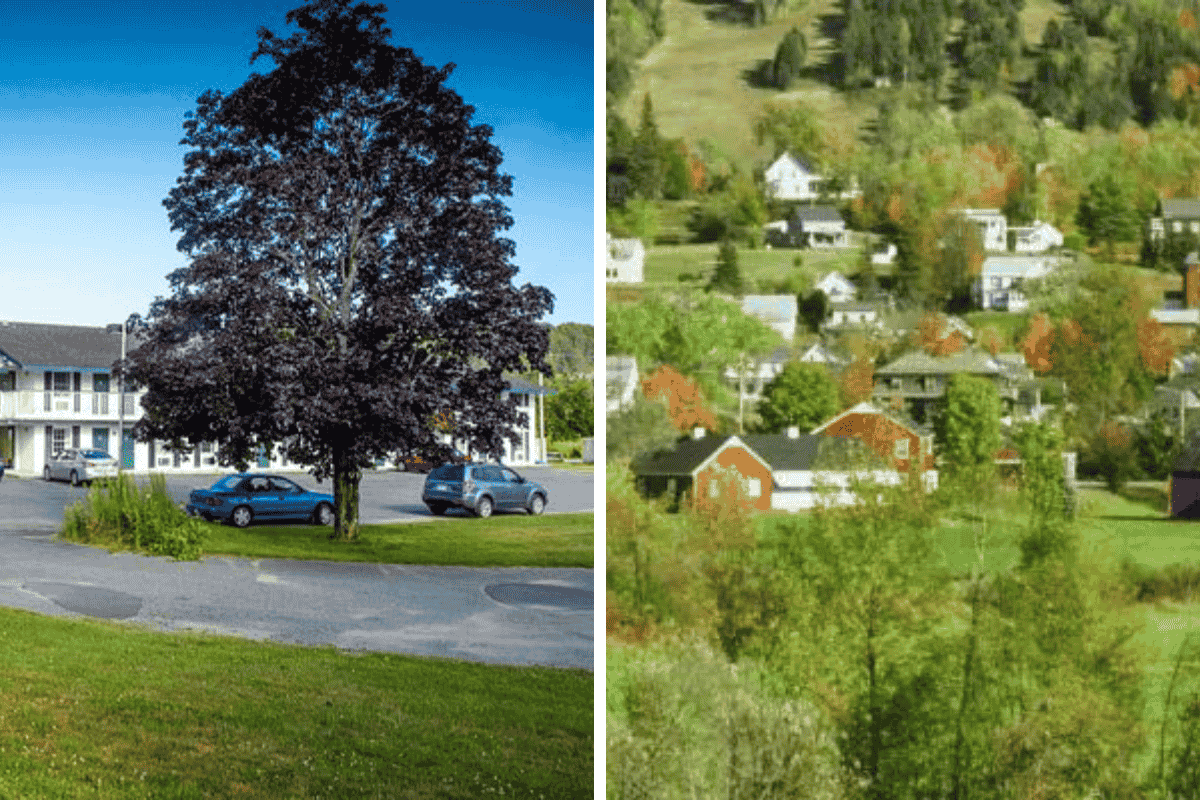
Lyndonville’s rural Northeast Kingdom setting features classic New England scenery but economic struggles.
Demographics Profile
Population ~1,221 (2025 proj.); median age 32.9 (young). 82% White, 10.5% Hispanic, 5.5% multiracial. High school grads above average, but bachelor’s low.
Housing: Affordable but trailer parks common, like nearby West Brattleboro.
Economic Drivers
Northeast Kingdom (Caledonia County) lags: Essex County 14.3% poverty statewide high. Factors:
- Limited jobs: Agriculture, small manufacturing, tourism seasonal.
- Outmigration: Youth leave for Burlington opportunities.
- Low wages: Service/retail dominate.
Median family income trails; unemployment above state ~3%.
Comparison Towns
| Town/CDP | Poverty % | Median Income | Pop. | Notes |
|---|---|---|---|---|
| Lyndonville | 34.95 | $43,693 | 1,221 | Highest rate. |
| Richford | 33.36 | $52,083 | ~2k | Border town, manufacturing. |
| West Brattleboro | 18.52 | $39,555-$44k | 2,817 | Trailer park hub. |
| Barre City | ~25 | $38k | ~8k | Industrial decline. |
| State Avg | 9-10 | $81k | 648k |
Challenges Daily Life
High poverty means reliance on food shelves, Medicaid, LIHEAP; child poverty acute. Housing costs eat income despite low rents; healthcare/transport gaps rural.
Crime low but substance issues statewide concern.
Local Responses
Community food pantries, NEK job training; state aid like Reach Up. Opportunity Zones nearby for investment. Tourism (trails, rail trail) potential.
Broader Vermont Context
State poverty low nationally (9%), but rural NEK/Windham outliers. Housing crisis worsens (3,500 homeless). 2025 reports note seniors/children vulnerable.
Lyndonville exemplifies Vermont’s rural poverty paradox amid scenic beauty.
State efforts: Budget boosts housing/food aid. Future: Remote work, renewables hope.
SOURCES:
- https://vermontdailychronicle.com/the-poorest-town-in-vermont-is/
- https://hdpulse.nimhd.nih.gov/data-portal/_social/poverty/table?statefips=50&demo=00007