
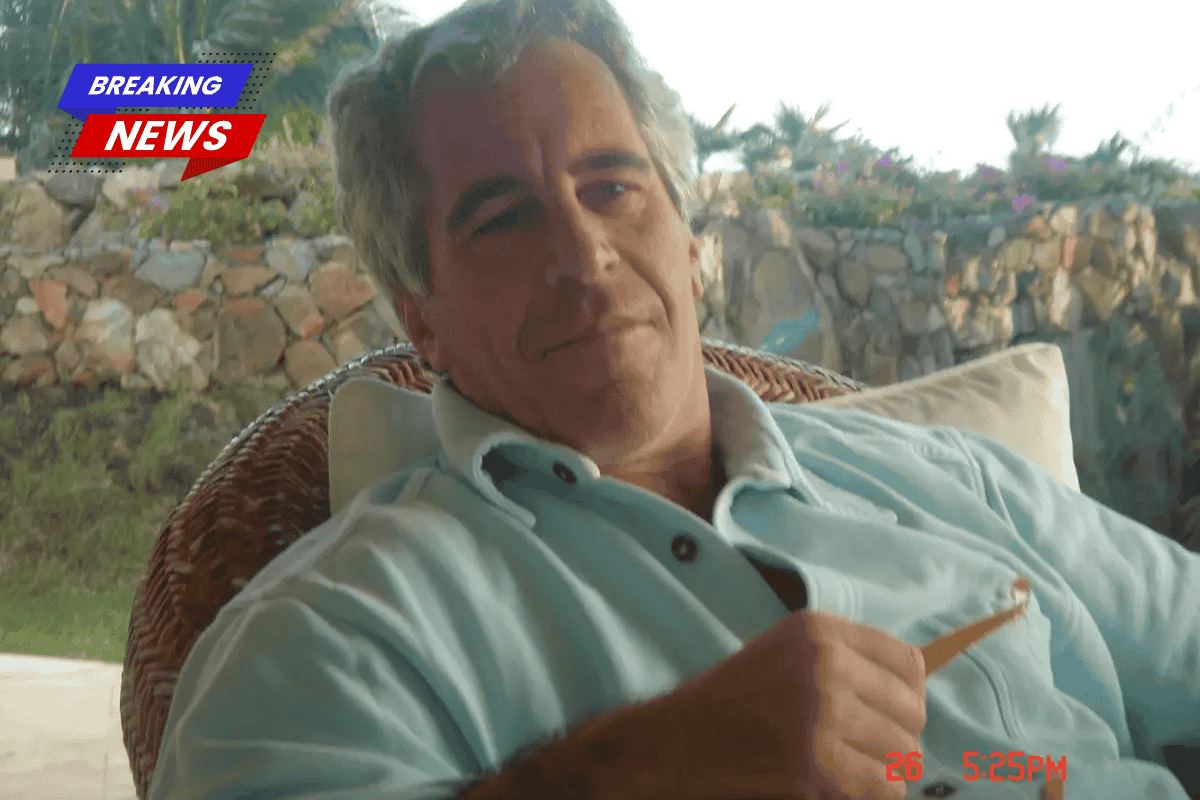
Darren Indyke, the longtime lawyer for Jeffrey Epstein, appeared before the House Oversight Committee on Thursday to explain the large cash withdrawals Epstein made starting in 2013.
These withdrawals are part of ongoing investigations into Epstein’s alleged s*x trafficking operation, with victims and their lawyers accusing Epstein of using cash to fund illegal activities.
Indyke’s Explanation of the Withdrawals
Indyke told the committee that Epstein needed large amounts of cash to run his multiple homes, including properties in New York, the US Virgin Islands, and Paris. He said the cash was used for various household expenses like maintenance, repairs, daily needs, and even things like meals, gifts, and fuel for Epstein’s private aircraft.
“He and his staff required cash to pay for a wide variety of expenses including maintenance, repairs and daily household needs for his residential properties,” Indyke said.
Challenges With Credit Cards After JPMorgan’s Breakup
Indyke also explained that after JPMorgan Chase severed ties with Epstein in 2013, he had trouble getting approved for a credit card. As a result, Epstein relied more on cash withdrawals from his accounts between 2013 and 2017. Indyke stated that this was a difficult time for Epstein regarding his access to traditional banking services.
“It is undisputed that during this time period Mr. Epstein had difficulty accessing credit cards from major banks,” Indyke added.
Epstein’s Financial History and Legal Issues
Despite these difficulties, records from the Justice Department show that Epstein had credit card accounts open between 2011 and 2017, with a credit score above 750. These records also reveal that Epstein made multiple large cash withdrawals during this period.
JPMorgan Chase had raised concerns over these withdrawals and eventually cut ties with Epstein, after which he moved his accounts to Deutsche Bank.
Epstein’s 2008 Conviction and Civil Lawsuits
In 2008, Epstein pleaded guilty to lesser s*x crimes in Florida after multiple women, including minors, accused him of paying for “massages” that turned into s**ual abuse. Following his conviction, Epstein’s large cash withdrawals from his accounts continued, raising suspicions among lawyers representing his accusers.
Both JPMorgan Chase and Deutsche Bank later faced lawsuits from Epstein’s victims. JPMorgan settled a $290 million lawsuit, while Deutsche Bank settled for $75 million.
Indyke’s Defense and Statements on Epstein’s Personal Life
Indyke defended his actions, saying that he never tried to bypass bank policies on cash withdrawals and did not believe the money was used for illegal purposes. He argued that for someone with Epstein’s wealth and many properties, large cash amounts were necessary to cover expenses.
“For a person in Mr. Epstein’s financial position — with five multimillion-dollar residences staffed by dozens of employees — it did not strike me as unusual that Mr. Epstein’s business, household and personal needs required large amounts of cash,” Indyke said.
Indyke also revealed that other people working for Epstein, like accountants Richard Kahn and Harry Beller, also had access to Epstein’s accounts and withdrew cash.
Indyke’s Personal Views on Epstein
Indyke described Epstein as appearing “extremely contrite” after his 2008 conviction and regretted believing in him. He also claimed that he wasn’t aware of Epstein’s illegal activities until after Epstein’s death in 2019.
“He led two entirely separate lives, his professional one and the other, a private, personal one that caused many others to suffer,” Indyke said. “That I did not know what my client did in his private life may be difficult for some to believe, but it is true.”






