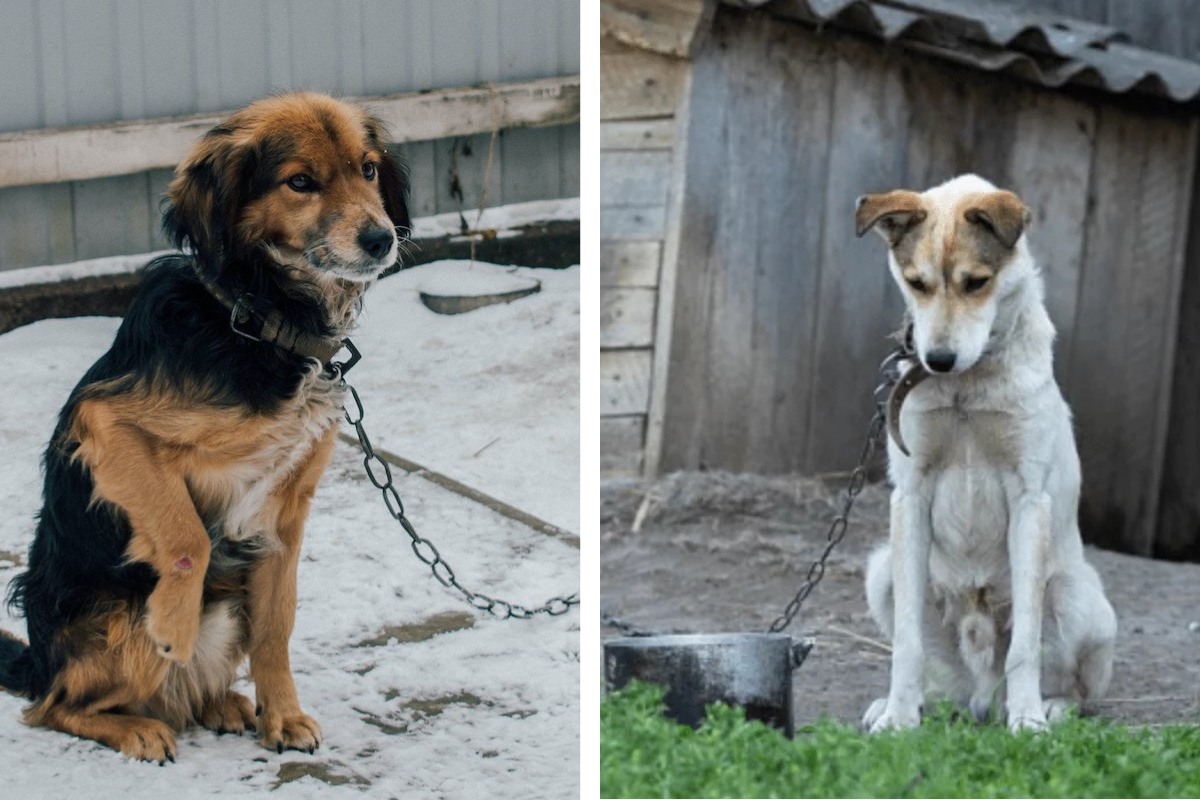
Leaving a pet chained outside in Hawaii isn’t outright illegal, but specific practices violate state animal cruelty laws if they endanger the animal. Hawaii Revised Statutes §711-1109 outlines second-degree cruelty, targeting unsafe tethering methods.
Statewide Tethering Regulations
HRS §711-1109 prohibits tethering dogs to stationary objects like doghouses or trees in ways that prevent access to food, water, or sustenance. Trolleys, pulleys, or cables lacking swivels at both ends are banned if endangering.
Puppies under six months can’t be tethered unsupervised. Tow/log chains are illegal. Choke, pinch, or prong collars prohibited except during supervised activities.
Cruelty Classifications
Second-degree cruelty is a misdemeanor (up to 1 year jail, $2,000 fine), escalating to class C felony for 10+ animals. Intentional, knowing, or reckless acts qualify.
First-degree cruelty (torture/killing) brings harsher penalties: 5 years prison, $10,000 fine. Weather exposure or injury from chains falls here if severe.
Exceptions and Supervised Use
Temporary, supervised tethering is allowed (e.g., walks, training). Hand-held leashes exempt. No blanket ban on outdoor chaining if safe and humane.
Bills like HB1298 (2018) sought stricter limits but didn’t pass; focus remains on cruelty.
Local Ordinances
Counties enforce via animal control; Honolulu and Maui emphasize welfare. No statewide time limits, but prolonged chaining risks complaints.
Humane societies investigate reports; heat/humidity amplifies violations.
Health and Weather Risks
Hawaii’s climate demands shade, water, ventilation. Extreme conditions (heat advisories) heighten cruelty claims. Entanglement, strangulation common.
Quarantine rules indirectly protect via health standards.
Enforcement and Reporting
HSPCA, police, animal control respond. Evidence: photos, witnesses. First offenses may get warnings; repeats fined.
Report via 311 or humane society hotlines.
Best Practices for Owners
Use harnesses, long leads, swivels. Provide shelter, water, exercise. Fencing preferred over chains. Indoor housing ideal in tropics.
Consult vets for breed needs.
Sources
- (https://www.peta.org/issues/animal-companion-issues/ordinances/hawaii/)
- (https://blakefriedmanlaw.com/nevada-drivers-license-renewal-for-seniors-citizens/)
- (https://www.peta.org/issues/animal-companion-issues/ordinances/hawaii/)
- (https://blakefriedmanlaw.com/nevada-drivers-license-renewal-for-seniors-citizens/)