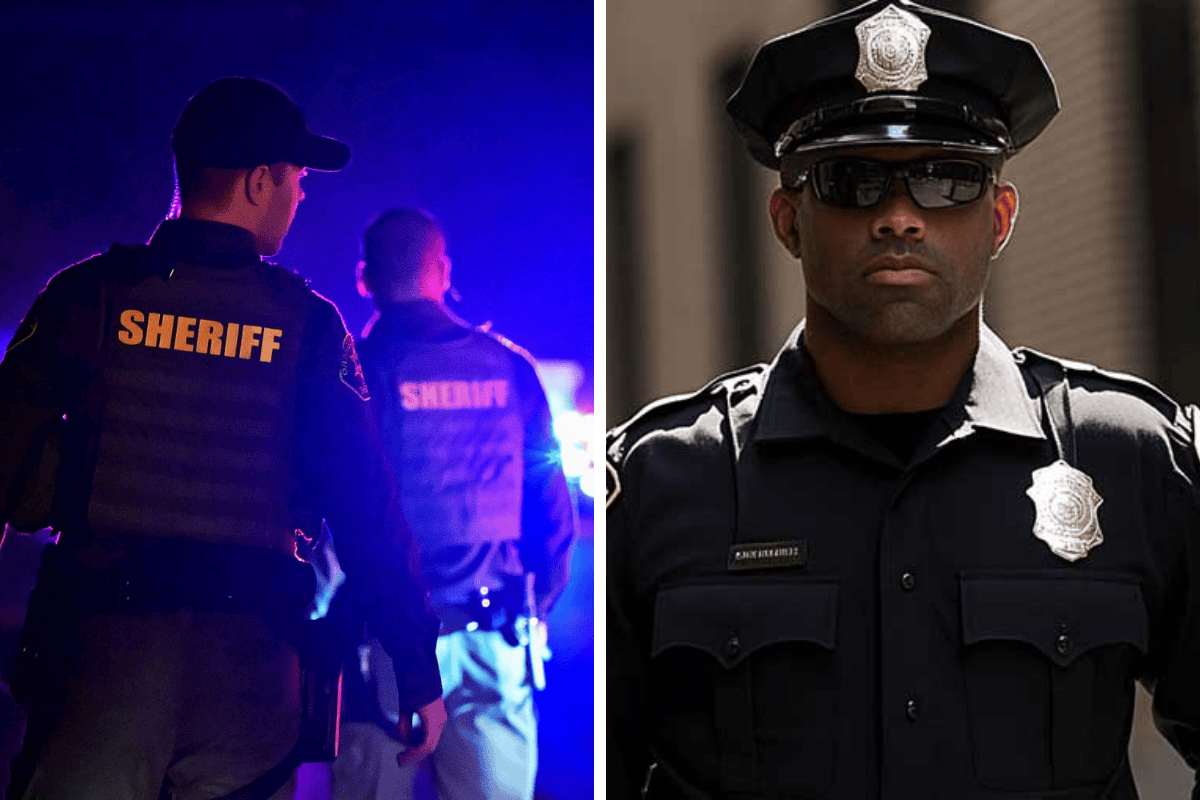
Flipping off a police officer in Hawaii is generally protected by the First Amendment, but in some situations it can still lead to a disorderly conduct charge or other consequences.
Free Speech Protection and the Middle Finger
Courts across the U.S. have repeatedly held that giving the middle finger to police is a form of expressive conduct protected by the First Amendment, as long as it is not accompanied by threats or violence.
A leading Ninth Circuit case, Duran v. City of Douglas, held that obscene gestures and profanity toward officers are protected speech and cannot be the sole basis for a stop or arrest. Because Hawaii is in the Ninth Circuit, this precedent strongly influences how such gestures must be treated by law enforcement.
Hawaii’s Disorderly Conduct Law
Hawaii’s main tool for dealing with offensive behavior in public is the disorderly conduct statute, HRS § 711‑1101.
A person commits disorderly conduct if, with intent to cause physical inconvenience or alarm to the public, or recklessly creating a risk of it, they do any of the following: engage in fighting or threatening behavior, make unreasonable noise, subject another person to “offensively coarse behavior or abusive language” likely to provoke a violent response, or create a hazardous or physically offensive condition.
The key elements are intent (or reckless disregard) and the likelihood of provoking a violent response or public disturbance—not just that the behavior is rude.
When Flipping Off a Cop Is (Usually) Legal
Simply raising your middle finger at an officer, without more, is typically viewed as protected speech. Federal courts have said that “fits of rudeness or lack of gratitude” toward police can be offensive but are not crimes and do not create probable cause for a stop or arrest.
So if you briefly flip off a cop from your car or on the sidewalk, and you are not making threats, blocking traffic, or creating a dangerous situation, that gesture alone should not legally justify a disorderly conduct arrest.
When the Gesture Can Still Get You in Trouble
The same gesture can become part of a crime if it is combined with other conduct that meets Hawaii’s disorderly conduct definition. Examples include: getting in an officer’s face while screaming threats, goading a crowd toward violence, or refusing lawful orders while creating a hazardous scene in traffic or a bar.
In such cases, police may argue you intended to cause public alarm or engaged in “offensively coarse behavior” likely to provoke a violent response, which § 711‑1101 allows them to charge as a petty misdemeanor.
Retaliation, Stops, and Arrests
Even though the gesture is protected, officers sometimes still react by stopping or arresting a person, which can lead to a separate constitutional issue. Cases like Cruise‑Gulyas v. Minard (Sixth Circuit) and Duran v. City of Douglas (Ninth Circuit) held that officers cannot lawfully stop, ticket, or arrest someone solely because they disliked being flipped off; doing so can support a civil rights lawsuit for retaliation.
However, if the officer already has probable cause for some other violation (speeding, DUI, expired registration), they can still act on that, even if the gesture made them more inclined to enforce it.
Potential Charges and Penalties in Hawaii
If behavior crosses the line into true disorderly conduct, the charge is typically a petty misdemeanor under HRS § 711‑1101. Penalties can include a fine and up to 30 days in jail, though minor first‑time cases often result in citations or diversion rather than incarceration.
More serious conduct, such as threats of harm or interference with an arrest, can lead to additional charges like harassment, resisting arrest, or obstructing government operations.
Practical Tips If You’re Tempted to Flip Off a Cop
From a legal rights standpoint, you generally can flip off a cop in Hawaii without breaking the law, but it’s rarely wise. If you choose to express yourself, avoid threats, don’t interfere with police duties, and don’t escalate into behavior that could be framed as provoking violence or causing a public disturbance.
If you are detained or arrested after a non‑threatening gesture, calmly assert your right to remain silent and ask for a lawyer; later, an attorney can evaluate whether your First Amendment rights were violated.
SOURCES:
- https://www.performance-protocol.com/post/is-it-illegal-to-flip-off-a-cop-examining-the-legal-and-social-implications
- https://firstamendment.mtsu.edu/post/court-rules-first-amendment-protects-motorist-who-gave-the-middle-finger-to-police-officer/