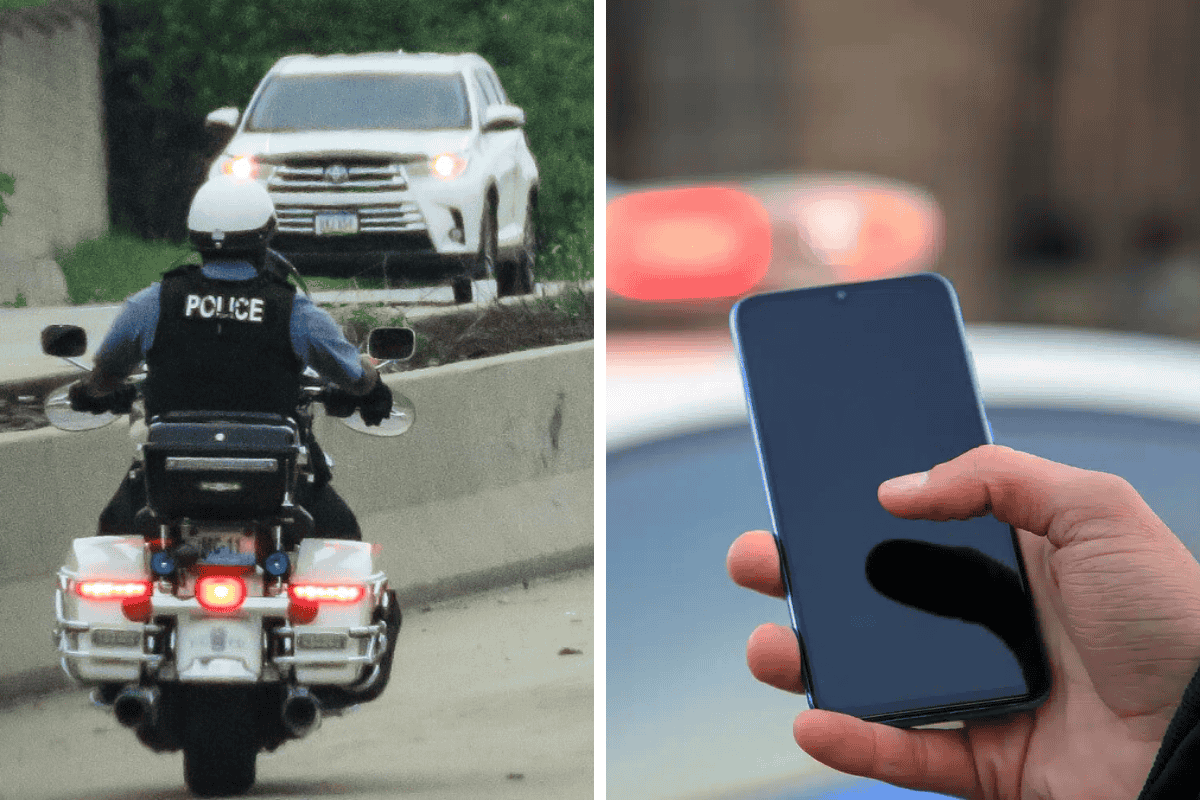
Kansas police generally cannot search your phone during a routine traffic stop without a warrant, your consent, or specific exceptions. The Fourth Amendment and Supreme Court precedents like Riley v. California (2014) protect digital privacy, requiring strong justification for device intrusions.
Fourth Amendment Protections
The U.S. Constitution’s Fourth Amendment shields against unreasonable searches, treating cell phones as uniquely private due to vast data storage—texts, photos, locations, and apps. Riley v. California ruled warrantless phone searches incident to arrest invalid, unlike wallets or cigarettes. Kansas follows this: officers may seize a phone for safety but cannot unlock or browse it without approval.
Consent Searches
Police often ask casually, “Mind if I check your phone?” Consent waives warrant needs, allowing full access—even forensic downloads. You can refuse politely: “I don’t consent to searches.” Refusal isn’t grounds for arrest and can’t imply guilt, though it may prolong stops. Withdraw consent anytime, but prior findings stay usable.
Warrant Requirements
For non-consensual searches, officers need a judge-issued warrant under K.S.A. 22-2502, detailing probable cause (e.g., texts tied to DUI evidence) and scope. Digital warrants cover electronic data like location pings or messages. Without it, evidence risks suppression in court.
Exceptions and Limits
- Plain View: Unlocked screen showing crimes (e.g., drug texts) can be noted without touching.
- Emergencies: Exigent circumstances like imminent harm allow quick looks (rare in stops).
- Vehicle Exceptions: Broader car searches (automobile exception) don’t extend to phones post-Riley.
- Parole/Probation: Reduced privacy; searches possible without warrants.
Intoxication or “Kansas Two-Step” tactics (prolonging stops) face scrutiny—courts have ruled some unconstitutional.
What to Do in a Stop
Stay calm, provide license/insurance/registration. Lock your phone screen beforehand. If asked: “Officer, I respectfully decline to consent to any searches.” Ask, “Am I free to go?” if delayed. Record interactions if safe (legal in public). Post-stop, note details for lawyers.
Evidence Challenges
Attorneys scrutinize: Was consent coerced? Warrant overly broad? Violations lead to suppressed evidence, dismissing cases. Contact ACLU Kansas or firms like Addair Law for reviews.
Practical Protections
Use auto-lock, biometrics (notify if compelled), and apps like Signal for encryption. Faraday bags block remote wipes during holds. Know rights via aclukansas.org guides. In 2026, no major changes alter Riley’s hold in Kansas.
SOURCES:
- https://www.addairlaw.com/blog/2026/january/can-your-phone-be-searched-during-a-traffic-stop/
- https://josephhollander.com/news-blog/when-can-kansas-law-enforcement-search-your-digital-devices/