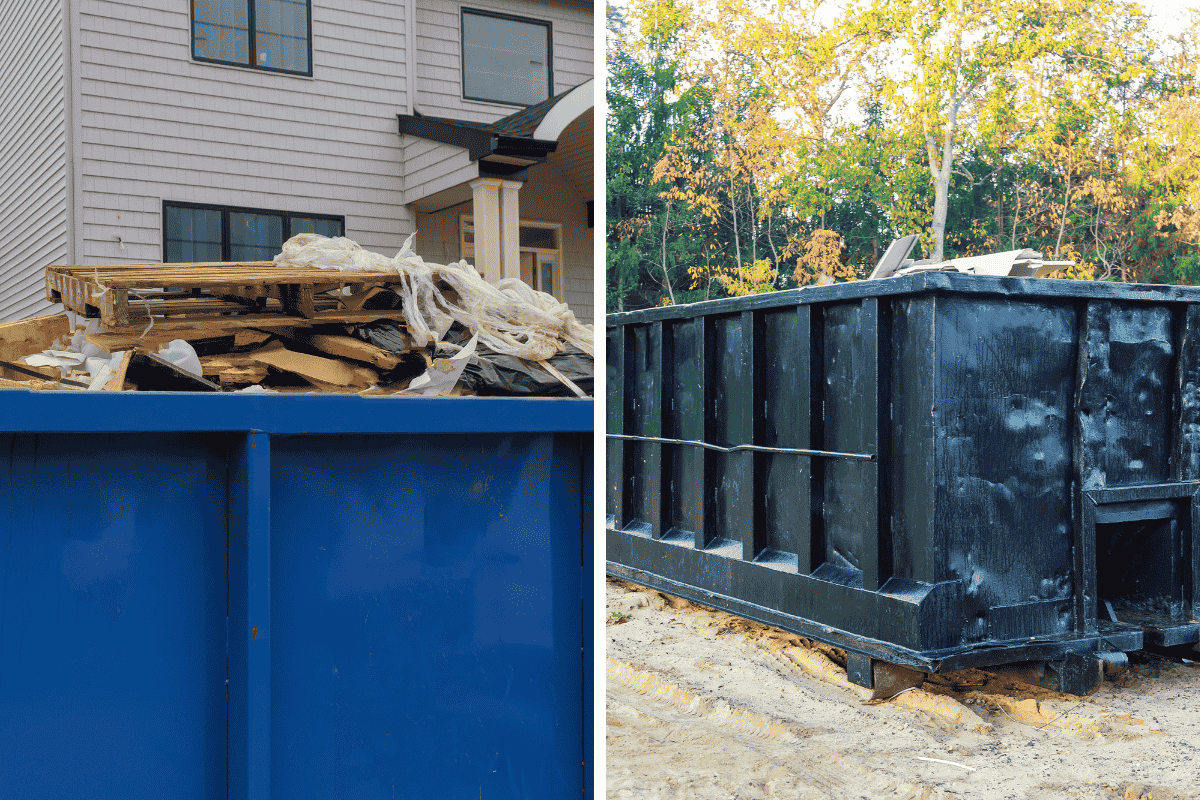
Dumpster diving is generally legal in Iowa under state law, but trespassing on private property can make it illegal. Local rules and safety concerns add important caveats to this practice.
Iowa’s Statewide Stance
Iowa has no specific statute banning dumpster diving across the state. Once items are discarded in public trash, they are considered abandoned, so taking them is not theft. This aligns with federal precedent from cases like California v. Greenwood (1988), which supports accessing public garbage.
The real limit comes from trespass laws under Iowa Code § 716.7, which prohibit entering private property without permission. Most commercial dumpsters sit on private land, so climbing in without approval risks misdemeanor trespassing charges, fines up to $855, or jail time.
City-Specific Rules
Major cities like Des Moines, Cedar Rapids, and Iowa City lack explicit bans on dumpster diving. However, all enforce trespassing strictly—posted “No Trespassing” signs or fences make diving illegal there.
Some areas have added restrictions. For instance, certain municipalities regulate public space clutter or hazardous waste handling, which could apply if diving creates messes. Residential curbside trash is often fair game if not enclosed, but always check for local ordinances before diving.
Trespassing and Theft Risks
Private property owners, like stores or apartments, control their dumpsters. Entering without permission—even briefly—can lead to police involvement. Businesses may press charges for trespass (simple misdemeanor) or, rarely, vandalism if damage occurs.
It’s not theft to take discarded goods, but locked dumpsters or items not fully abandoned (e.g., still in a bin with owner intent to retrieve) could trigger disputes. Enforcement varies: urban spots like Des Moines see more complaints, while rural areas are lenient if you’re discreet.
Health and Safety Laws
Beyond criminal issues, health codes restrict taking food or hazardous materials like batteries and chemicals from dumpsters. Iowa hazardous waste laws (Iowa Code Chapter 455B) prohibit improper disposal, so if you find and repurpose toxics, you could face fines.
Wear gloves, avoid sharp objects, and clean up to prevent littering citations. Diseases from contaminated items are a real risk, so prioritize hygiene.
Best Practices for Legal Diving
Stick to public dumpsters in parks, streets, or alleys where no trespassing occurs. Always ask permission from store managers—many allow it and appreciate reduced waste.
Prime spots include retail strips post-closing (with permission), apartment curbs, and college campuses like University of Iowa (check rules). Dive at night discreetly, leave no trace, and document permission if granted to show police.
Common Scenarios and Penalties
| Scenario | Legal Status | Potential Penalty |
|---|
Penalties are misdemeanors at worst for first offenses, but repeats escalate.
Why People Dive in Iowa
It’s eco-friendly—divers rescue furniture, clothes, and food from landfills, saving money amid inflation. Iowa’s low cost of living makes it popular for frugal folks, students, and homesteaders.
Communities on Reddit share hauls from grocery chains like Hy-Vee, but stress stealth.
SOURCES:
- https://khak.com/are-you-allowed-to-dumpster-dive-in-iowa/
- https://www.avvo.com/legal-answers/can-i-go-dumpster-diving-in-iowa–5771459.html