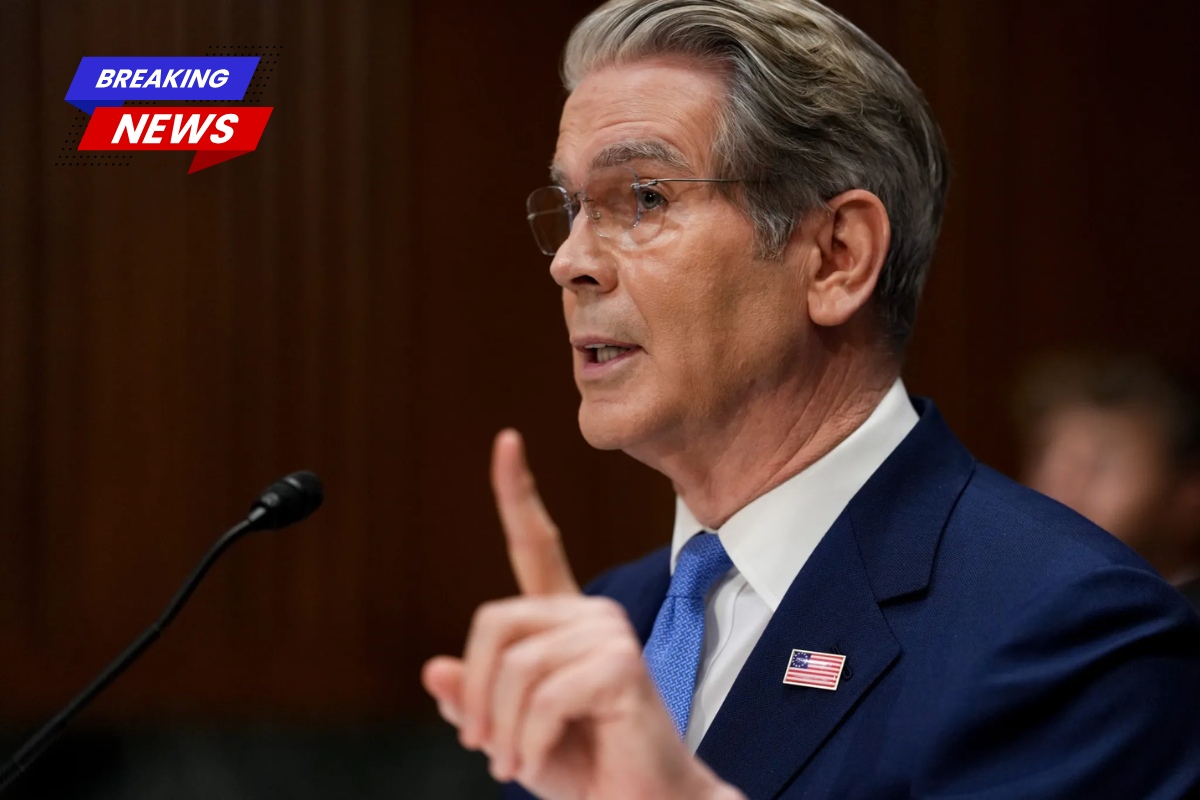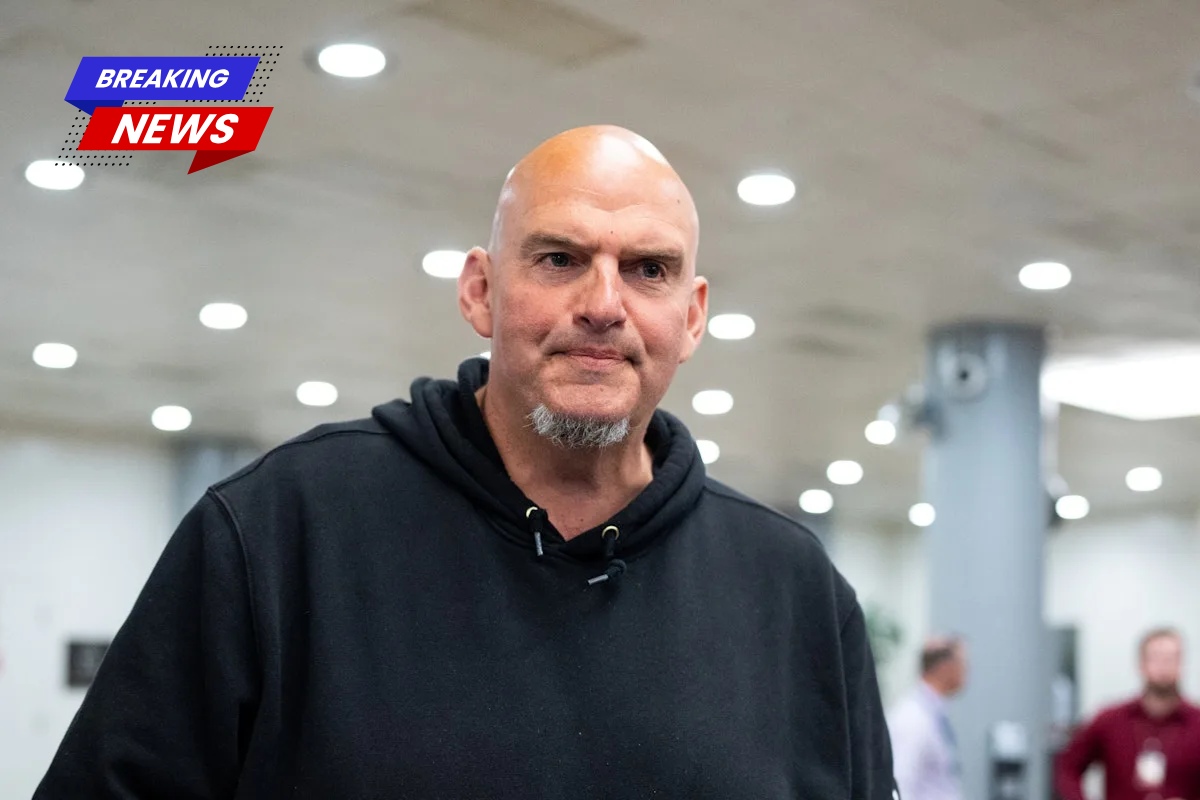
A fresh political controversy is building in Washington after a Democratic lawmaker called for action involving Donald Trump Jr. The issue centres around a major government-funded deal and possible conflict-of-interest concerns.
Lawmaker Calls for Subpoena
Maxine Dexter has said she moved to subpoena Donald Trump Jr..
She claims he should answer questions about a deal involving hundreds of millions of taxpayer dollars linked to a company in which he has a financial interest.
According to her, the situation raises serious concerns about transparency and accountability.
The Business Deal Explained
The controversy is tied to a venture capital firm called 1789 Capital, where Trump Jr. is a partner.
This firm has invested in Vulcan Elements, a company based in North Carolina.
Vulcan secured a large deal with the U.S. Department of Defense worth around $620 million. This funding was structured as a loan and is considered one of the biggest deals handled by the Pentagon’s Office of Strategic Capital.
Why the Deal Matters
The funding is part of a larger $1.4 billion effort to boost domestic production of rare earth magnets.
These magnets are critical for many industries, including:
- Electric vehicles
- Smartphones
- Wind turbines
- Military equipment like drones
Because of their importance, the U.S. government has been investing heavily to reduce dependence on foreign supply chains.
Allegations and Concerns
Dexter has questioned whether Trump Jr.’s involvement in the investment firm could present a conflict of interest.
She argued that if a president’s family member benefits financially from government-linked deals, it should be fully investigated.
Her statement suggested that the timing of the investment and the funding increase raises important questions.
Response from Trump Jr. and Companies
Trump Jr., along with 1789 Capital and Vulcan Elements, has denied any wrongdoing.
They maintain that the funding decision was not influenced by political connections and that the investment was made independently.
Reports also note that Vulcan had already received government funding before the current administration, which supporters say weakens claims of improper influence.
Bigger Picture: Ethics and Accountability
This issue touches on a broader debate in U.S. politics about ethics, transparency, and conflicts of interest.
Questions being raised include:
- Should family members of political leaders be restricted from such investments?
- How should government contracts be monitored?
- What level of disclosure is necessary?
These concerns are not new but continue to be debated across party lines.