The “Amongst Ourselves: Resisting Slavery at Whitney Plantation” exhibition offers a powerful and eye-opening way to understand the history of slavery. Instead of showing enslaved people as silent or helpless, it highlights their strength, intelligence and constant resistance. Through a mix of real-life stories and modern artwork, the exhibit helps visitors connect deeply with the past in a way that feels real and meaningful.
| Key Detail | Information |
|---|---|
| Exhibition Name | Amongst Ourselves: Resisting Slavery |
| Location | Whitney Plantation, Louisiana |
| Artist | Langston Allston |
| Curator | Molly Mitchell |
| Executive Director | Dr. Ashley Rogers |
| Focus | Resistance and survival of enslaved people |
| Style | Historical narratives with modern illustrations |
A new way to understand slavery
This exhibition changes the way people usually think about slavery. Many older stories and textbooks have wrongly shown enslaved people as passive or accepting their situation. But this exhibit clearly shows that resistance was always present.
The panels placed around the plantation share real stories of bravery and survival. These stories remind visitors that enslaved people were always thinking, planning and finding ways to fight back, even in the most difficult conditions.
Powerful art brings history to life
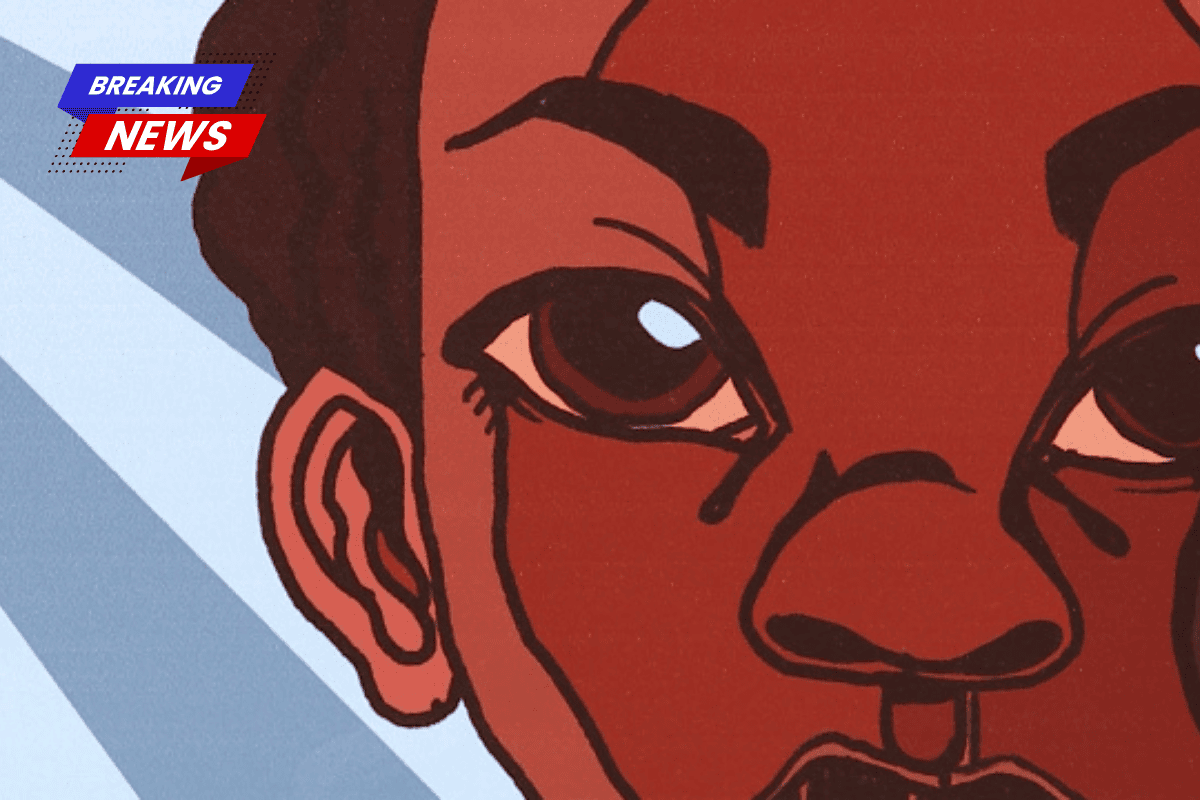
The artwork in the exhibit is created by Langston Allston, who worked closely with historians and researchers. His illustrations make the stories more emotional and easier to understand.
Instead of just reading about history, visitors can see it through expressive and detailed visuals. This helps people, especially younger visitors, connect more strongly with the experiences of those who lived through slavery.
The art does not just decorate the space. It adds depth and feeling, turning each story into something unforgettable.
Resistance was always present
According to Dr. Ashley Rogers, resistance was not limited to one moment in time. It happened everywhere — in Africa, during capture, on ships and on plantations in the Americas.
This idea is very important. It shows that enslaved people never stopped fighting for their freedom. Whether through escape, small acts of defiance or organised plans, resistance was a constant part of their lives.
Historians estimate that between 30,000 and 100,000 enslaved people managed to escape to freedom between 1790 and 1860. These numbers show just how strong the desire for freedom was.
Stories that highlight courage and strategy
The exhibit also focuses on how enslaved people used intelligence and planning to survive. Eddie Brown explains that places like the “big house” were not just symbols of control. They were also spaces where important decisions and escape plans could be made.
Visitors learn about individuals like Prince and Alex, two 14-year-old boys who escaped from a nearby plantation. These real-life stories, shared by curator Molly Mitchell, make the history feel more personal and relatable.
By focusing on young individuals and their bravery, the exhibit shows that resistance came from people of all ages.
Connecting past struggles to modern movements
One of the strongest messages of the exhibition is connection. It links the resistance of enslaved people to later movements for freedom and equality in America.
The struggles of the past helped shape future fights for justice. By understanding this history, visitors can better understand the present.
As the United States moves closer to marking 250 years since the signing of the Declaration of Independence, this exhibit reminds people that freedom has always come with struggle. It was never given easily — it was fought for, again and again.
Why this exhibit matters today
This exhibition is important because it corrects long-standing misunderstandings about slavery. It gives proper recognition to the courage, intelligence and determination of enslaved people.
It also encourages visitors to think more deeply about history. Instead of seeing slavery as a story of suffering alone, it becomes a story of strength and resistance.
By combining art, research and storytelling, the Whitney Plantation has created an experience that is both educational and emotional. It helps people see history in a more honest and complete way.