
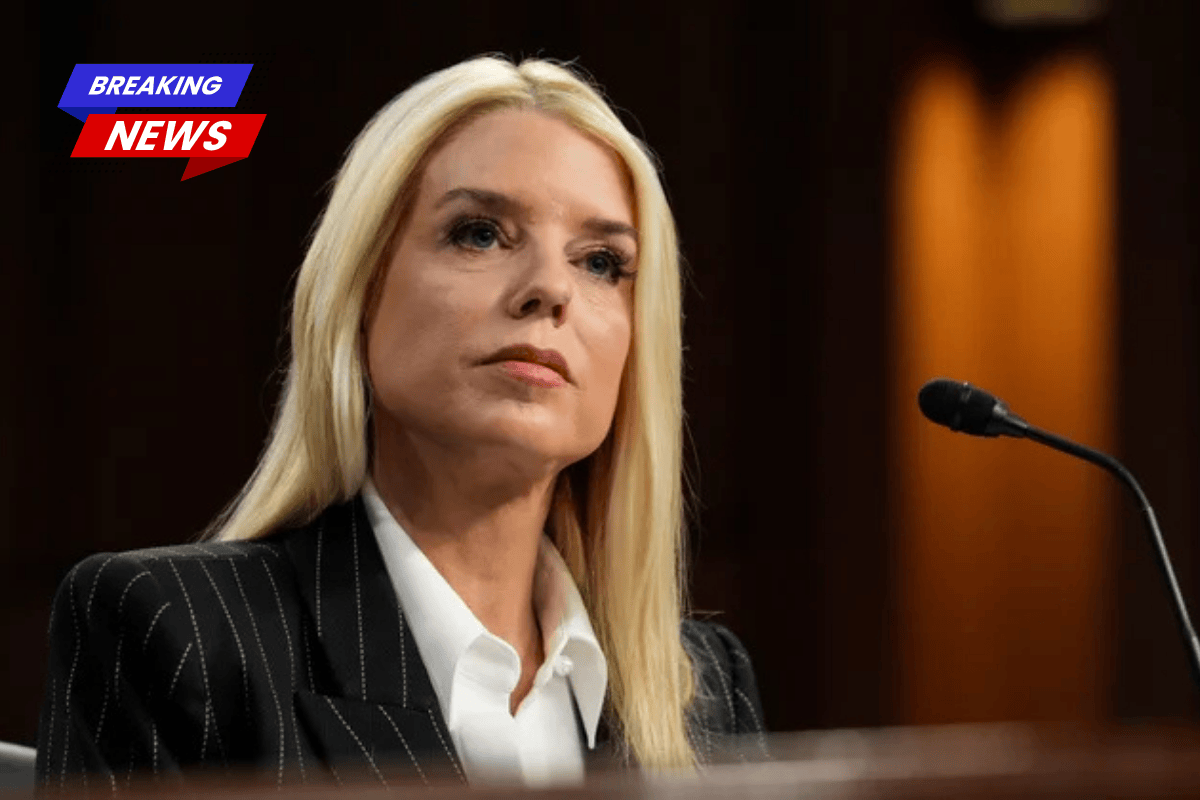
U.S. Attorney General Pam Bondi has sparked controversy with her recent comments about U.S. citizenship, which she described as a “privilege, not a right.” This statement, made during an interview with Fox News following two high-profile denaturalization cases, has drawn significant criticism from legal experts and the public.
Bondi’s remarks come amid broader efforts by the Trump administration to reshape immigration policy and citizenship rights.
Bondi’s Controversial Statement
During her interview, Bondi stated, “Being a citizen in our country is a privilege, not a right. And President Donald Trump is going to have everyone in this country who deserves to be here, who is a citizen.” She further defended her position with a post on X (formerly Twitter), emphasizing that American citizenship is “a sacred privilege” that should not be obtained dishonestly.
Bondi’s comments came in the wake of the Department of Justice’s actions to denaturalize individuals who were found to have lied on their citizenship applications. She framed this as part of the Trump administration’s broader efforts to uphold the integrity of U.S. citizenship.
Backlash and Constitutional Concerns
Her comments quickly drew criticism, with many pointing out that U.S. citizenship is constitutionally protected. The 14th Amendment of the U.S. Constitution clearly defines citizenship as a right, stating that “all persons born or naturalized in the United States, and subject to the jurisdiction thereof, are citizens of the United States.”
By describing citizenship as a privilege rather than a right, Bondi’s statement raised concerns about the potential erosion of constitutional protections. Critics argue that framing rights as privileges suggests they could be easily revoked, undermining the principle of permanent and inviolable rights guaranteed under the Constitution.
One particularly strong reaction came from X users, with one post drawing a chilling comparison to the revocation of citizenship for Jewish people during Nazi Germany, emphasizing the dangerous implications of Bondi’s rhetoric.
Trump Administration’s Immigration Policy Changes
Bondi’s remarks fit within a broader pattern of the Trump administration’s efforts to tighten immigration laws. On January 20, 2025, President Trump signed an executive order called Protecting the Meaning and Value of American Citizenship. The order sought to limit the recognition of citizenship for certain children born on U.S. soil if neither parent was a U.S. citizen or lawful permanent resident.
This executive order has already been met with legal challenges. The U.S. Supreme Court is set to hear arguments on the matter, while lower courts have blocked the policy, citing conflicts with the 14th Amendment and existing federal law. These legal battles underscore the ongoing tension between the administration’s immigration goals and constitutional protections.
Denaturalization: A Rare Occurrence
Denaturalization, the process by which a person’s U.S. citizenship is revoked, is a rare occurrence in the U.S. Historically, there have been only about 11 cases of denaturalization each year.
While it has gained attention recently, the broader implications of such actions—especially in light of Bondi’s comments—have raised concerns about the potential for increasing use of denaturalization in the future.






