
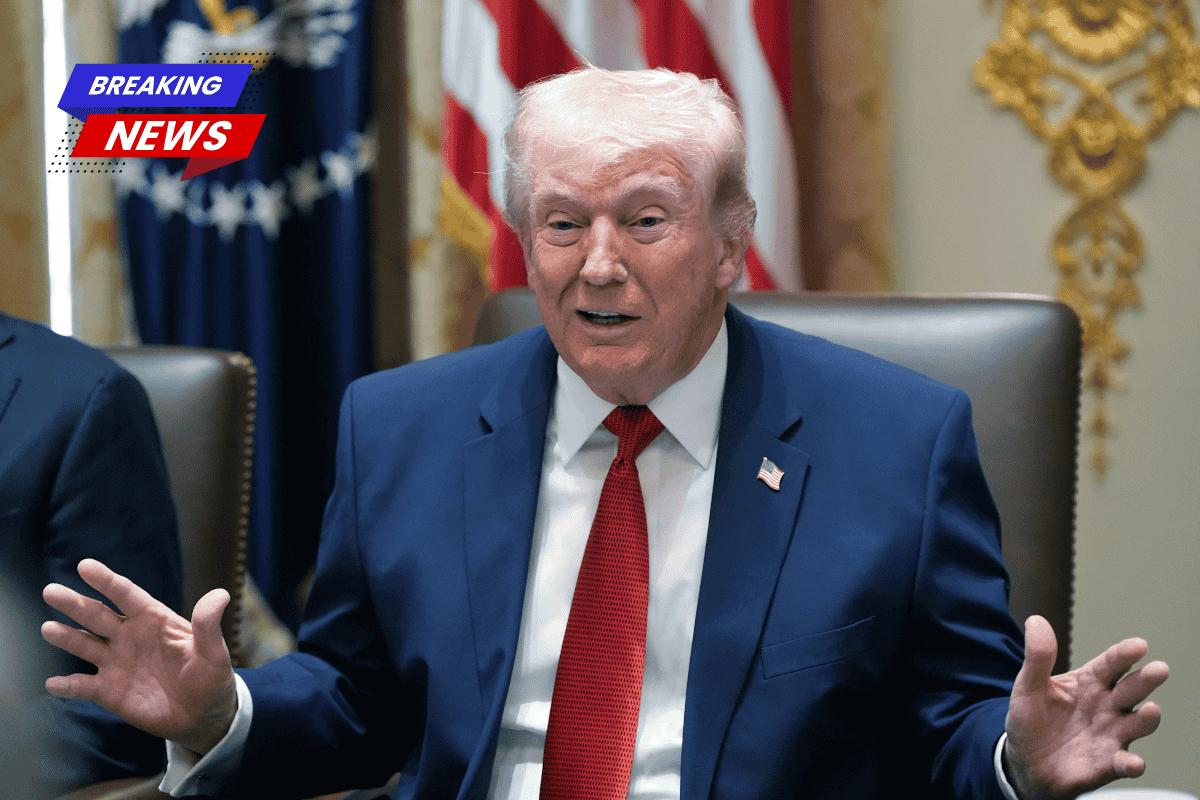
President Donald Trump has decided to temporarily pause planned military strikes on Iranian energy infrastructure. This decision follows the return of the “TACO” strategy — short for “Trump Always Chickens Out.” The move is an attempt by the administration to prevent a worsening global energy crisis while focusing on market stability.
The ‘TACO’ Strategy: A Pattern of Escalation and De-escalation
Market analysts are recognizing a pattern where the Trump administration initially signals aggressive actions but later backs down when economic factors like rising oil prices come into play. This cycle has been dubbed the “TACO” strategy.
Why the Pause?
The pause comes at a time when the White House is seeking a diplomatic way out of the crisis, particularly to reopen the Strait of Hormuz. This vital waterway has seen a slowdown in shipping, pushing oil prices higher, and disrupting global energy markets.
Market Reactions: Investors Bet on De-escalation
Investors are quick to predict this pattern. Nancy Tengler, CEO of Laffer Tengler Investments, shared that her firm made profitable trades based on the expectation of a pause. The firm bought S&P 500 calls in late March, correctly anticipating the President would back off from military strikes.
‘Trump Pain Point Index’ Indicates Rising Tensions
Institutions use specialized tools, such as BCA Research’s “Trump Pain Point Index,” to measure market risks associated with Trump’s decisions. This index tracks key factors like stock market volatility, bond yields, and gas prices. Recently, it reached an all-time high, indicating that the President may soon change course again to protect markets.
The Ongoing Crisis: Will Iran Negotiate?
Despite the temporary pause, the underlying problem remains unresolved. Iran has rejected U.S. calls for a ceasefire, which would involve fully reopening the Strait of Hormuz. With oil prices still high, economists are concerned that inflation may not ease anytime soon.
Will the Strategy Work?
The success of Trump’s strategy largely depends on whether Iran is willing to engage in negotiations. Until that happens, the administration faces the challenge of balancing military restraint with the need to stabilize global markets.






