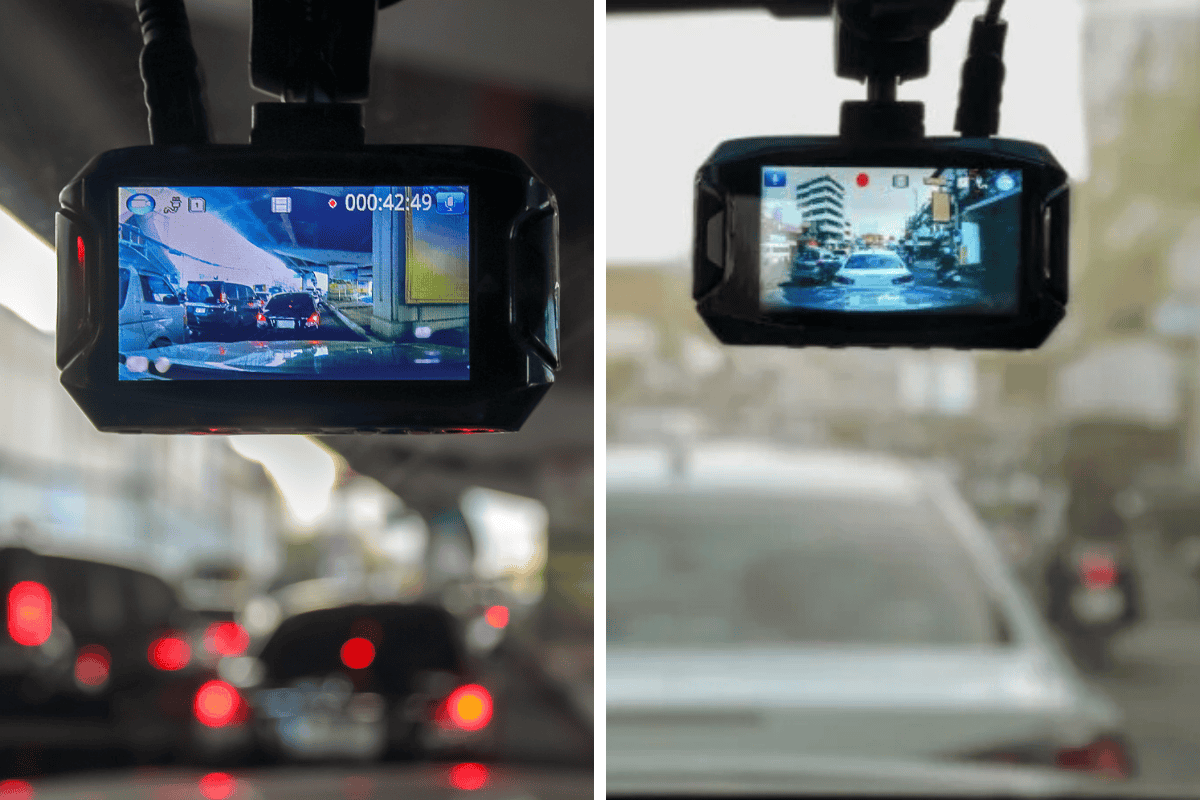
Dash cams are legal in Arkansas with no specific state bans, but mounting must not obstruct the driver’s view. Regulations emphasize safety under general traffic laws and one-party audio consent.
Legal Status
Arkansas permits dash cam installation and use in personal, commercial, rideshare, or fleet vehicles without registration, notification, or usage mandates. No dedicated statutes exist, so general rules apply: no obstruction of road visibility per Arkansas State Police standards.
Footage is admissible in courts if authenticated, relevant, and preserved, supporting accident claims or traffic defenses.
Mounting Rules
Devices must not impair the driver’s clear view, often cited under unsafe operation violations. Optimal placement is behind the rearview mirror on the windshield or on the dashboard to minimize obstruction risks.
Avoid large units or dangling wires that distract; secure mounts prevent falls. Improper setup risks tickets, as non-transparent objects cannot block vision.
Audio Recording
As a one-party consent state (Ark. Code § 5-60-120), drivers can record cabin audio since they consent; this covers passengers, rideshares, or traffic stops. Disable audio for loaned vehicles or parked mode to avoid issues.
Interstate travel to bordering one-party states (e.g., Missouri, Texas) poses no conflict.
Uses and Benefits
Dash cams document accidents, speeds, plates, and conditions, aiding fault determination in Arkansas’s no-fault insurance system. Insurers accept footage for claims, potentially offering discounts; rideshare platforms like Uber endorse them.
Fleet operators use for safety training and compliance; parking mode captures vandalism.
Court and Evidence Guidelines
Authenticate via owner testimony; preserve originals to prevent overwriting. Footage proves violations or exonerates drivers in tickets. Do not edit or post publicly pre-consultation, as it may harm cases.
Commercial event data recorders (Ark. Code § 23-112-107) have separate retrieval rules but align with dash cam admissibility under evidence standards.
Best Practices
Choose compact models with GPS/speed stamps; manage storage to retain key clips. For rideshares, optional signage notifies passengers courtesy-wise. Check policies when lending vehicles or for employee fleets to address privacy.
SOURCES:
- https://www.recordinglaw.com/united-states-recording-laws/one-party-consent-states/arkansas-recording-laws/dashcam/
- https://www.ddpai.com/blog/dash-cam-laws/