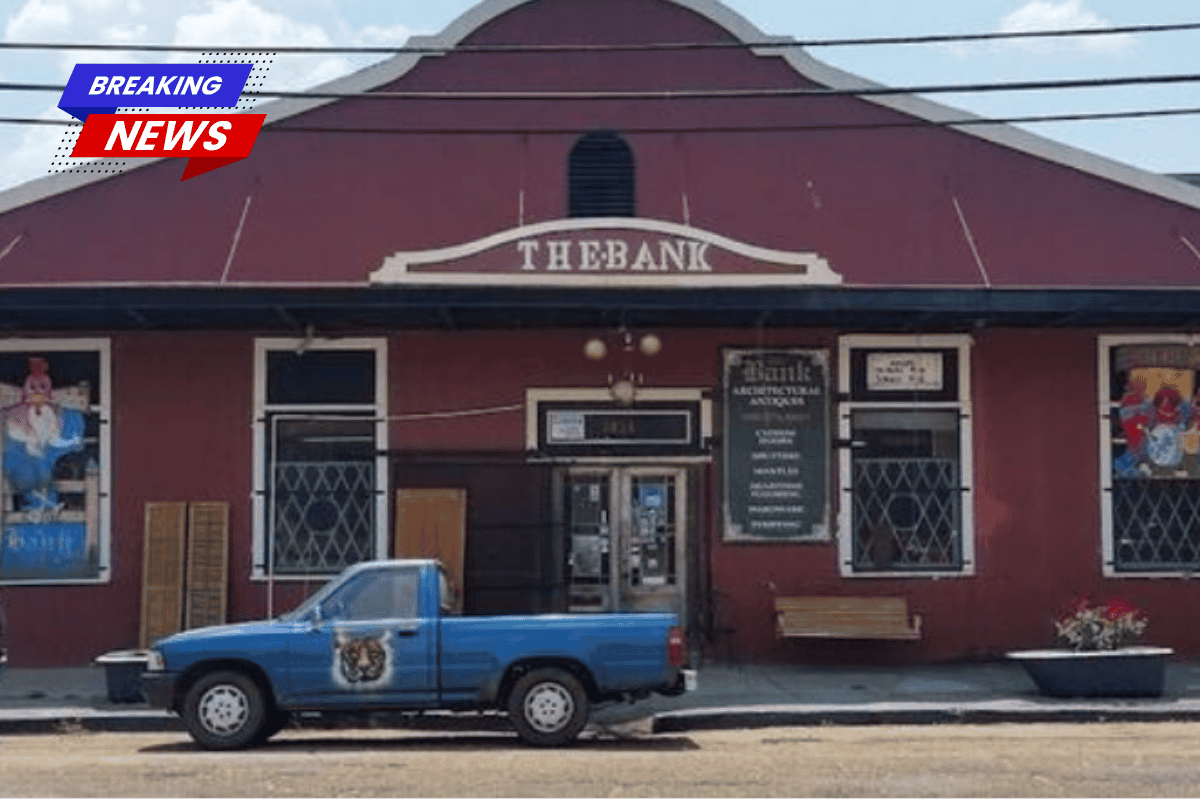
At 1824 Felicity Street, in the heart of New Orleans, lies a hidden gem—The Bank Architectural Antiques. This 45,000-square-foot warehouse is a time capsule, filled with salvaged pieces from the city’s iconic architecture.
It’s part museum, part salvage yard, and a haven for anyone interested in the city’s rich architectural history. Here, cypress doors, marble mantels, cast-iron fences, and more are preserved, salvaged from buildings that have been torn down or renovated.
The Birth of The Bank
Founded in 1998 by Paul Maassen, The Bank began as a way to preserve the architectural elements of New Orleans that were at risk of being destroyed. Maassen started by salvaging materials from condemned buildings before demolition crews could tear them down.
The collection grew over time as contractors, demolition companies, and homeowners contributed to the warehouse, turning it into an extensive collection of pieces from the 1830s to the 1950s.
A Walk Through History
Walking through The Bank means navigating narrow aisles filled with doors, shutters, columns, brackets, mantels, gates, and hardware stacked from floor to ceiling. The warehouse is not meticulously organized, but that adds to its charm.
Items are loosely categorized—cypress doors are in one section, mantels in another—but it requires patience and a bit of digging to find exactly what you need. The space is alive with the story of New Orleans’ architecture, and every piece has its own tale to tell.
Cypress Doors and Shutters
Cypress wood was once Louisiana’s primary building material before old-growth forests were logged. Known for its rot and termite resistance, as well as its beauty, cypress doors and shutters from the 1840s to the 1920s line several aisles at The Bank.
Many of these doors still have their original hardware, glass panels, and mortise-and-tenon joinery, while the shutters feature functioning louvers and layers of original paint showing the passage of time. Prices range from $200 to $2,000 depending on their condition, size, and age.
Cast-Iron Fences and Gates
New Orleans is famous for its ironwork, and The Bank houses a significant collection of cast-iron fences, gates, and balcony railings. These pieces were crafted by local foundries operating from the 1840s to the 1890s. Each foundry had its own distinct patterns, and collectors can identify the origin of the ironwork by these design details. Prices start at $500 for small pieces, with complete fence sections costing upwards of $10,000.
Marble Mantels
The Bank also offers marble mantels from some of New Orleans’ grandest homes, including those on Esplanade Avenue and in the Garden District. These mantels, crafted in Greek Revival, Italianate, and Victorian styles, feature hand-carved details and are often in excellent condition, though some show minor wear. Prices range from $1,500 to $8,000, depending on condition and rarity.
Salvaged Beams and Timber
Old-growth heart pine and cypress beams from demolished buildings are available in the back sections of the warehouse. These beams, with tight grain patterns, are sought after by contractors for restoration projects or new construction aiming for authentic materials. They are sold by the foot and are a prized find for those in need of historic timber.
A Working Salvage Business, Not a Museum
Despite its museum-like quality, The Bank is a working salvage business. Visitors browse the collection at their own pace, with minimal staff available to assist. This is not a place for casual shopping but for serious restorers, contractors, and collectors who are looking for authentic materials to restore historic homes. The staff is available to answer questions, but expect to do most of the exploring on your own.
How to Visit
The Bank operates Monday to Friday from 9 a.m. to 5 p.m. and on Saturdays from 10 a.m. to 4 p.m. It is closed on Sundays. The warehouse is located in Central City, between the Lower Garden District and Touro, a residential and industrial mixed area. While it is not in a typical tourist area, visitors can drive or use rideshare services to reach it. On-site parking is available.
For those traveling from out of town, The Bank offers shipping nationwide. However, due to the size and complexity of shipping large architectural elements, most of the business is local. Visitors are encouraged to bring measurements if they are looking for specific pieces and cash for negotiating better prices.
A Hidden Gem for History Lovers and Builders
For tourists, The Bank offers a unique opportunity to touch and experience New Orleans history. It’s not just about looking at old materials; it’s about connecting with the craftsmanship and culture that built the city.
For restorers and contractors, it’s a place to find period-correct, authentic materials for projects. Whether you’re shopping or browsing, The Bank is a must-visit for anyone passionate about New Orleans’ rich architectural heritage.