
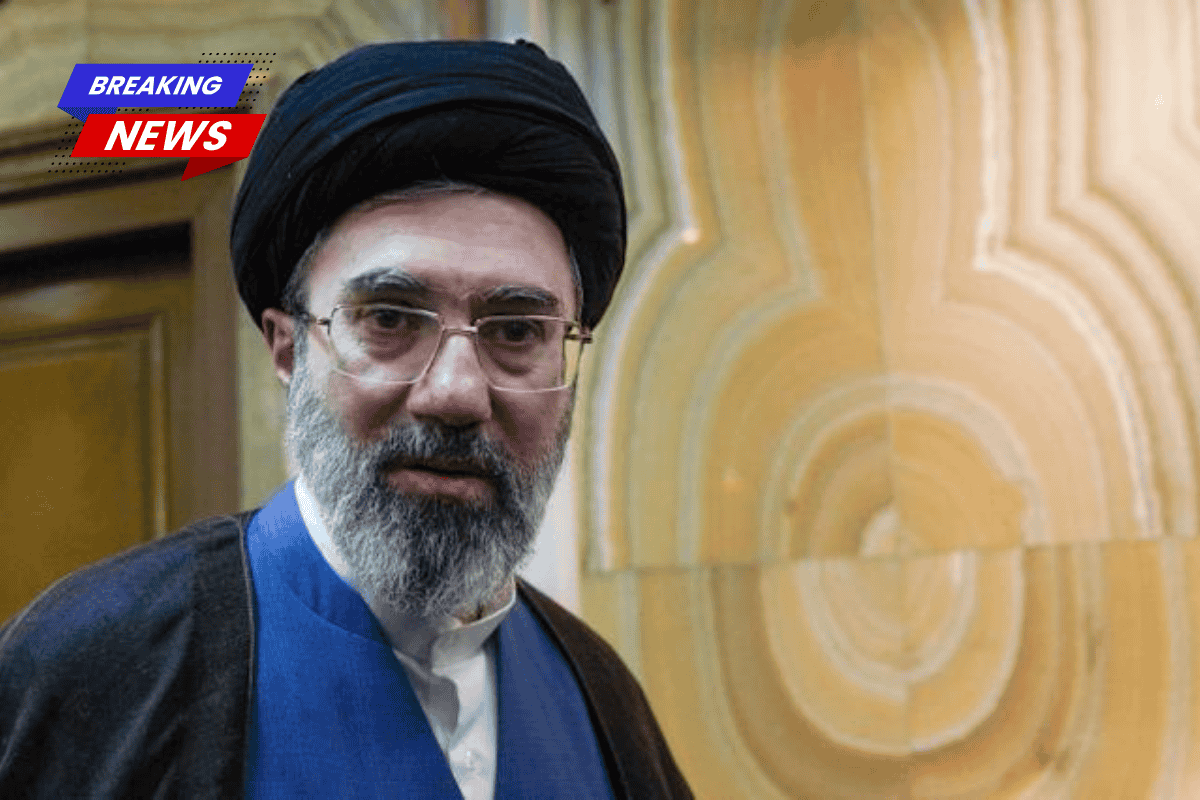
Iran’s new Supreme Leader, Mojtaba Khamenei, has issued a defiant statement vowing to continue supporting anti-American and anti-Israel terrorist groups across the Middle East.
Khamenei, who ascended to power following the death of his father during the initial strikes of the ongoing war, continues to rule from the shadows, with his latest remarks signaling a commitment to the Islamic Republic’s long-standing policies.
Khamenei’s Statement and Policy on Terrorist Support
In a statement read by state television, Khamenei emphasized Iran’s unwavering stance on supporting resistance groups fighting against what he described as the “Zionist-American enemy.”
The statement highlighted that Iran would persist in its support for groups such as Hezbollah and Houthi rebels, marking a clear rejection of one of President Trump’s war objectives — to curb Iran’s role as a sponsor of terrorism in the region.
“I firmly declare that the consistent policy of the Islamic Republic of Iran, in continuing the path of the late Imam and martyred leader, is based on continuing to support the resistance against the Zionist-American enemy,” Khamenei stated.
Since taking power, Khamenei has largely been operating from behind the scenes, issuing orders through state media anchors rather than appearing in public. His absence has sparked widespread speculation about his health and whether he is even alive, especially following reports of his injuries from the initial strikes that killed his father and most of his family.
Khamenei’s Health and Continued Absence
Although US intelligence has raised concerns about the extent of Khamenei’s injuries, with some reports suggesting a fractured foot and other minor injuries, his health remains a subject of debate. Despite these injuries, Iranian officials, including Ali Bahreini, Iran’s representative to the United Nations in Geneva, have insisted that Khamenei is in “full health” and his absence is due to security reasons.
Escalating Conflict in the Region
Khamenei’s statement was directed at Hezbollah, the Iran-backed militant group currently engaged in hostilities against Israel in southern Lebanon. Alongside Hezbollah, Houthi rebels from Yemen have launched multiple ballistic missile attacks against Israel, further escalating the violence in the region.
Despite these tensions, President Trump claimed that Iran had requested a ceasefire from the United States on Wednesday. However, Iran swiftly denied these claims, labeling Trump’s statement as “false and baseless,” continuing to signal that they are not ready to de-escalate the conflict.
The Global Impact of Khamenei’s Leadership
As Iran’s Supreme Leader, Khamenei holds significant sway over the country’s foreign policy, including its support for various militant groups across the Middle East. His leadership has been marked by continued defiance against Western powers, particularly the U.S. and Israel, as tensions rise over Iran’s role in regional conflicts.
The situation remains fluid, with concerns growing over the potential for further escalation as Hezbollah and the Houthis intensify their attacks on Israeli targets, while the global community watches closely for any signs of change in Iran’s stance.






