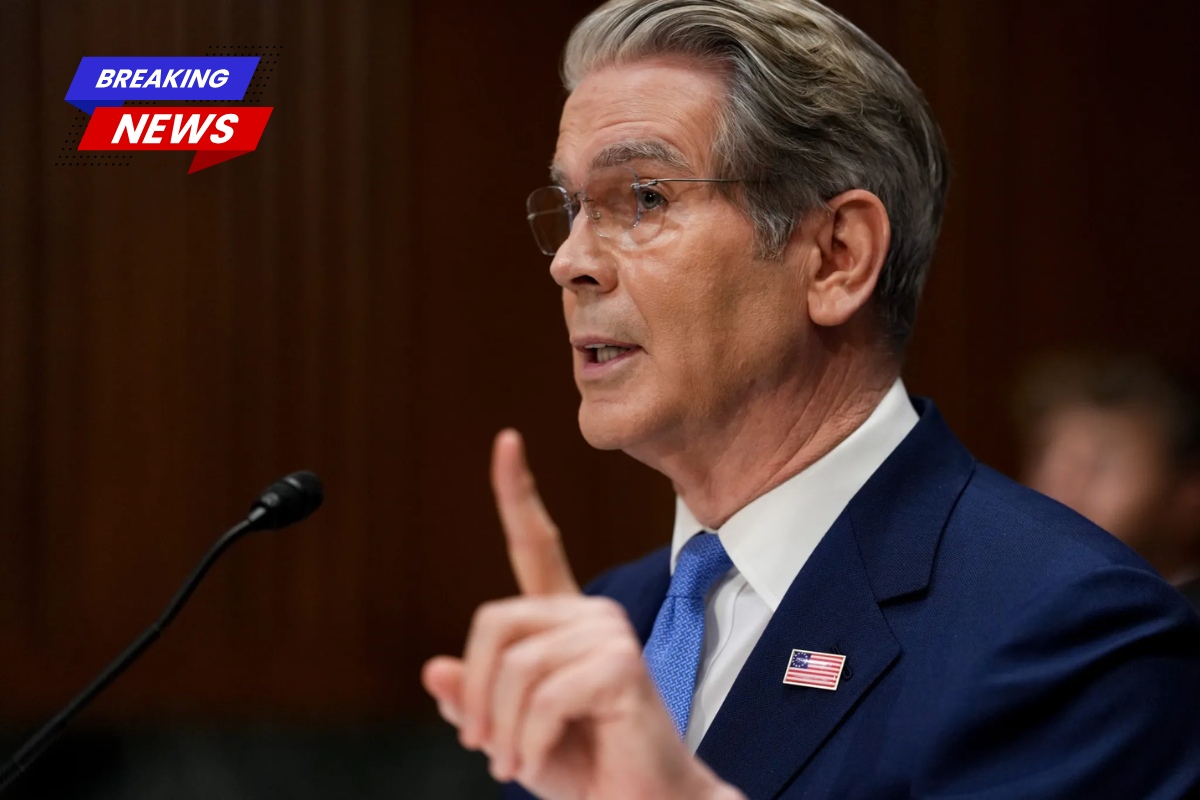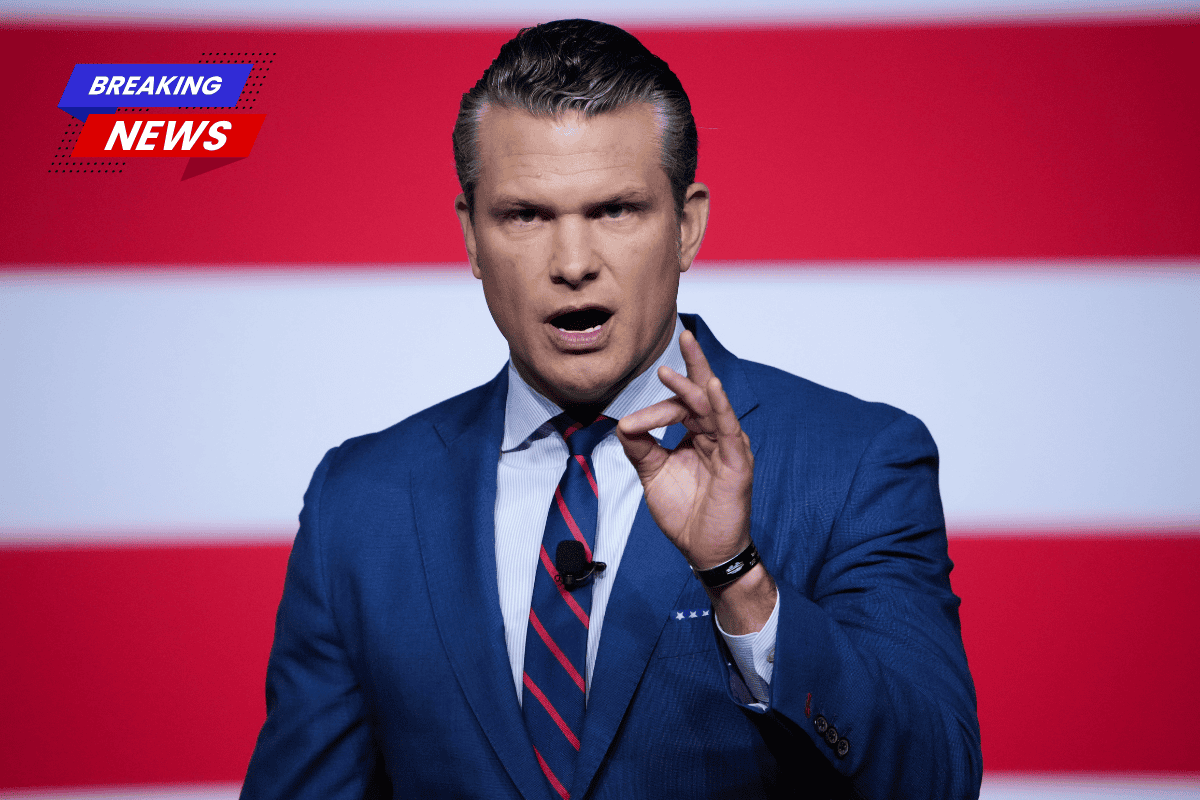
During a Pentagon briefing on March 31, 2026, U.S. Secretary of Defense Pete Hegseth, alongside Chairman of the Joint Chiefs General Vernal Caine, addressed the growing role of U.S. allies in global security matters, specifically in the wake of ongoing military operations against Iran.
Hegseth’s remarks came as part of Operation Epic Fury, a significant U.S. military campaign aimed at degrading Iran’s military capabilities and securing critical maritime routes like the Strait of Hormuz.
U.S. Expectations for Allies’ Defense Responsibility
Hegseth directly called out the hesitation of U.S. allies in taking responsibility for their own defense, particularly when it comes to securing key maritime routes that are essential to global trade. “We’ve been willing to lead, President Trump’s led the entire time, but it’s not just us,” Hegseth stated, adding that it is time for other nations to take on more responsibility.
He stressed that allies should heed President Trump’s call for greater self-reliance and defense capabilities.
“You can’t just have flags, you have to have formations,” Hegseth emphasized. “You can’t just have a few ships, you have enough to affect change. Those things matter in a dangerous world with ascended adversaries,” he warned, suggesting that it was time for allies to step up in a meaningful way.
Trump’s Bold Call for Action
Hegseth’s message mirrored a Truth Social post by President Trump, who earlier in the day called for nations, particularly the United Kingdom, to take more independent action in securing maritime routes.
In his post, Trump urged countries affected by disruptions in the Strait of Hormuz to “learn how to fight for yourself” and suggested they “take” control of key routes, highlighting the U.S. commitment to not being indefinitely involved in securing every global chokepoint.
Trump’s post also made it clear that Iran’s military and political leadership had been decimated, with significant portions of the country’s military infrastructure already destroyed by the U.S. operation. “Iran has been, essentially, decimated.
The hard part is done. Go get your own oil!” Trump asserted, pointing out that other nations, particularly those dependent on oil from the region, should now shoulder the burden.
Impact of Operation Epic Fury
Operation Epic Fury, launched earlier in 2026, has proven to be a decisive U.S. military operation. As of March 28, the operation had conducted over 11,000 combat flights, striking more than 11,000 targets, including the destruction of over 150 Iranian vessels. The operation also led to the death of Iran’s supreme leader and the elimination of more than 40 senior Iranian officials.
Hegseth noted the contrast between the revitalized U.S. defense industrial base, bolstered by initiatives such as the Arsenal of Freedom Tour, and Iran’s near-total loss of production capacity. The U.S. defense sector, in Hegseth’s view, is better equipped to support global security, but he made it clear that the U.S. could not be expected to carry the burden alone.
Shifting U.S. Defense Posture
The briefing marked a broader shift in U.S. defense posture, signaling a move towards restoring domestic strength while encouraging allies to build the necessary capabilities to manage their own defense needs.
Hegseth emphasized the importance of maintaining increased naval activity in the Strait of Hormuz to ensure its openness but reiterated that the long-term security of critical regions should not be solely reliant on U.S. forces.