
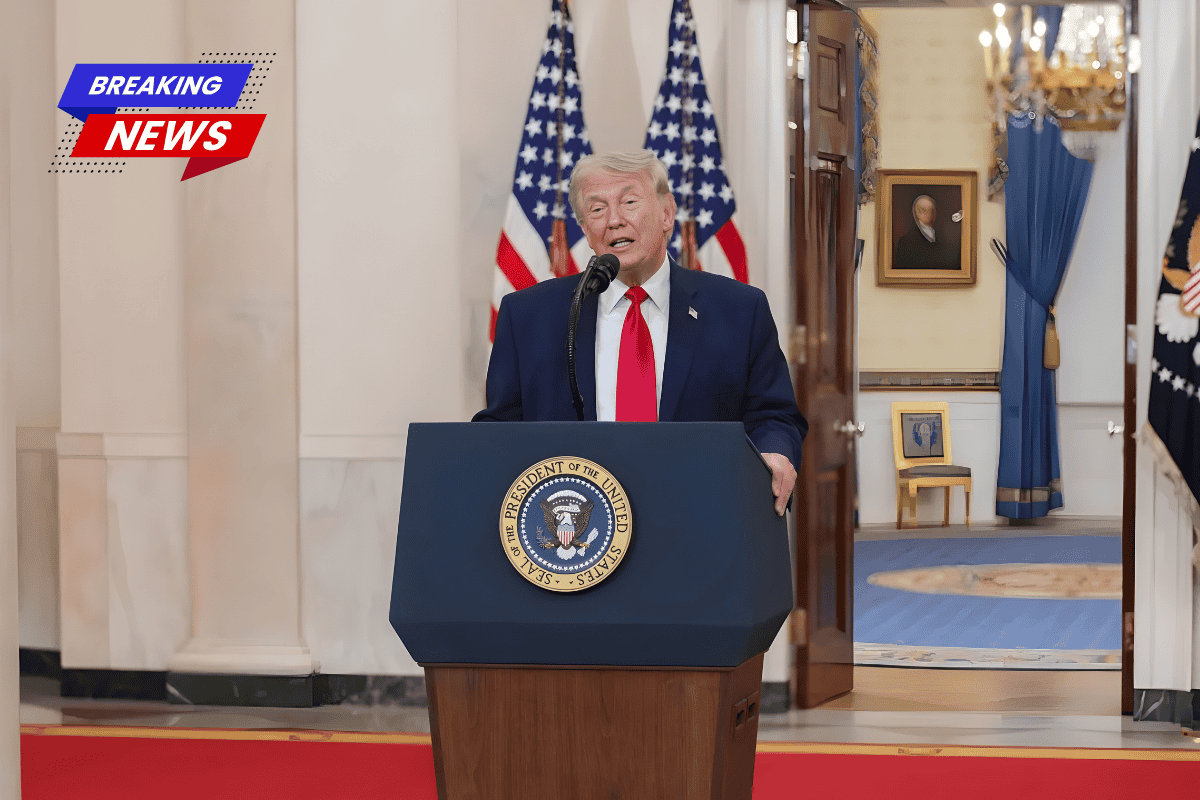
In a prime-time address on Wednesday, March 31, 2026, President Trump reaffirmed his commitment to completing the military mission in Iran “very shortly” as U.S. forces continued their operations in the region.
The president emphasized that significant victories had been achieved, but he remained steadfast in his warning that the U.S. would intensify its efforts against Iran in the coming weeks if a deal is not reached.
Trump’s Prediction of War Conclusion
During his 19-minute address from the White House, President Trump indicated that the U.S. would deliver “extremely hard” strikes against Iran over the next two to three weeks. He warned that if Iran did not agree to a deal, the U.S. would target critical Iranian infrastructure, including its electric generation plants and oil sites. “We are going to bring them back to the stone ages, where they belong,” he stated.
Trump’s comments came as the ongoing conflict reached the one-month mark, with public opinion largely skeptical of the war. Despite rising concerns over gas prices and the economic impact, Trump remained confident that the operation was nearing its end.
Progress and Military Success
President Trump highlighted the progress made by U.S. forces, noting that in the past four weeks, American troops had delivered “swift, decisive, overwhelming victories” against Iran.
He pointed to the destruction of Iran’s navy, its diminished ability to launch missiles and drones, and the elimination of Iran’s senior leadership as evidence of the success of Operation Epic Fury. “Never in the history of warfare has an enemy suffered such clear and devastating large-scale losses in a matter of weeks,” Trump claimed.
He also praised the 13 American servicemembers who died during the operation, calling them heroes for “preventing our children from ever having to face a nuclear Iran.” Trump emphasized that the intervention was necessary to stop Iran from becoming a nuclear threat.
Tensions Over Rising Gas Prices
One of the significant issues stemming from the conflict has been the impact on global oil prices, which has led to higher gas prices in the U.S. Trump attributed the rise in prices to Iran’s actions, particularly its interference with commercial oil tankers and its effective closure of the Strait of Hormuz.
He urged nations dependent on the Strait for oil shipments to take more responsibility for its security, suggesting they “grab it and cherish it” and protect it themselves.
“We have plenty [of oil], we have so much,” Trump said, proposing that countries unable to secure sufficient fuel should consider buying from the U.S.
The Strait of Hormuz and International Responsibility
The U.S. President also reiterated his frustration with NATO, which he claimed had failed to assist the U.S. in opening the Strait of Hormuz, a crucial global oil route. “We’re not going to be there to help you anymore,” Trump stated, signaling that the U.S. would not shoulder the responsibility for securing the Strait indefinitely. He called on countries dependent on Middle Eastern oil to take action themselves to ensure its openness.
Trump’s comments echoed his previous statements, where he suggested that the U.S. may withdraw from NATO if allies do not contribute to securing the global oil passage. However, he also stated that if Iran was to continue its obstruction, the U.S. could take further military actions to reopen the Strait.
Addressing Domestic Concerns
The ongoing war and its economic consequences have sparked criticism from many Americans. A CBS News poll revealed that 60% of Americans disapprove of U.S. military action in Iran, with 67% unwilling to pay higher gas prices for the war effort.
As the conflict continues, the American public remains divided, with some supporting the war due to concerns over Iran’s nuclear ambitions, while others express frustration over rising consumer prices.
Trump’s Plans for the Future
Despite the challenges, President Trump suggested that the conflict could wrap up “very soon” if Iran were to reach a deal. If not, he warned, the U.S. would continue to intensify its actions against Iran’s infrastructure. He expressed confidence that the situation would improve, especially if the U.S. stepped back from its involvement.
“We’re winning, and now we’re winning bigger than ever before,” Trump concluded.






