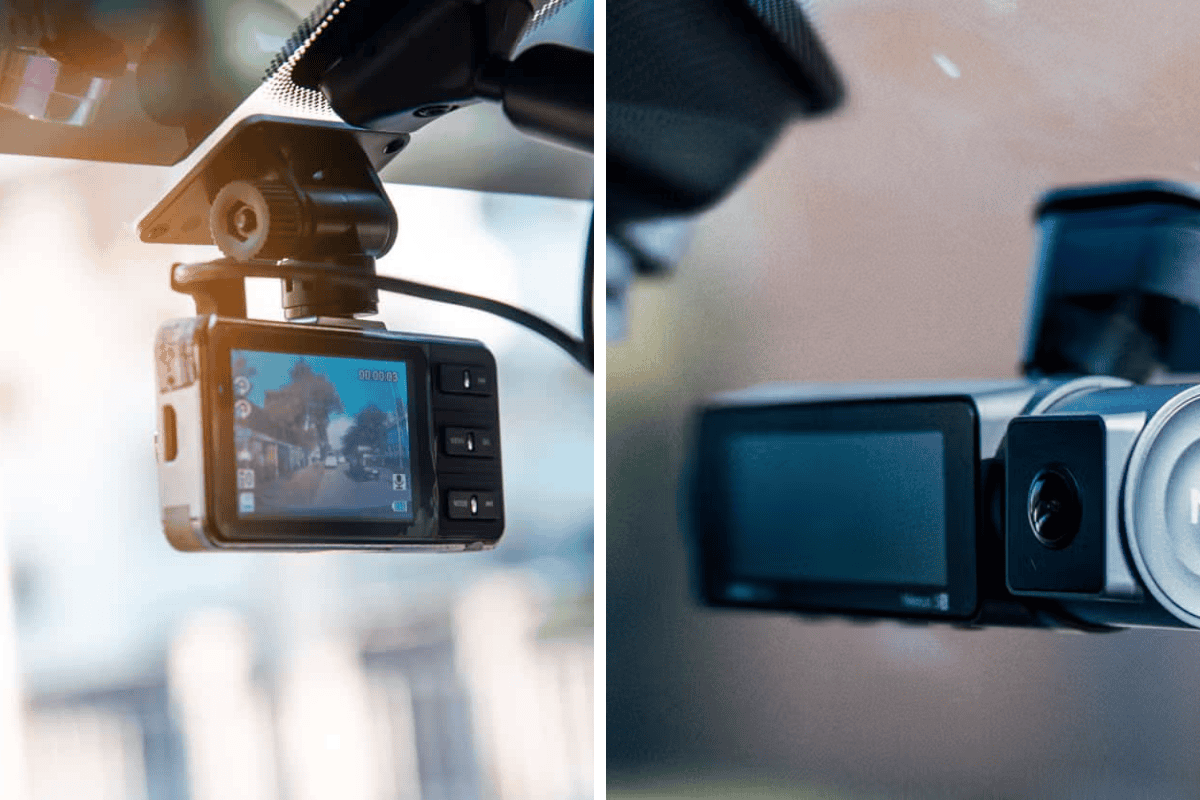
Dash cams are legal in Iowa with no specific statewide bans, but they must not obstruct the driver’s clear vision through windshields or windows per Iowa Code §321.438. Proper mounting and privacy compliance ensure footage admissibility in court or insurance claims.
Mounting Rules
Iowa law requires vehicles to have windshields, side wings, and windows that “permit clear vision,” prohibiting any obstruction including dash cams.
Dashboard placement or behind the rearview mirror is recommended to avoid issues, as windshield mounting risks tickets if it blocks the view. No size limits like neighboring states’ 5-square-inch caps apply explicitly, but anything impairing sight violates §321.438, with fines around $35–$100 for first offenses.
Audio Recording Guidelines
Iowa follows one-party consent for audio, meaning you (the driver) can record conversations without notifying passengers, as long as you’re part of them. Disable audio or inform others to sidestep disputes, especially for sensitive footage; secret recordings of non-participants could breach privacy if used improperly. Video-only is safest and avoids wiretap concerns under Iowa Code §808.
Privacy and Usage Limits
Public road recordings are fine, but footage from private property (e.g., parking lots) may face admissibility challenges without owner permission due to expectation of privacy. Notify passengers via signs or verbally for courtesy, though not legally required; sharing online requires blurring faces to prevent defamation claims. Police interactions are recordable in public, aiding accountability.
Legal Value in Claims
Dash cam evidence strengthens accident disputes, proving fault in Iowa’s no-fault system for minor crashes (Iowa Code §321.189), often swaying insurers or courts. Footage must be authentic and relevant; tampered videos lose weight, while compliant ones support personal injury suits under comparative fault rules. Fleets benefit for driver training, but commercial vehicles follow the same clear-vision standards.
Commercial and Fleet Rules
Trucks and buses must comply identically—no view obstruction—with DOT advising rearview mirror mounts. No exemptions beyond law enforcement; violations trigger inspections or out-of-service orders. 2025 updates emphasize electronic logging compliance alongside cams for safety audits.
Penalties for Violations
Obstructing view citations start at $35 (simple misdemeanor), escalating to $625 max with points on license; repeat issues risk suspension. Privacy misuse could lead to civil suits for invasion, though rare for dash cams; always secure footage promptly post-incident. Insurance may deny claims if improper setup contributed to crashes.
Best Practices and Tips
Opt for suction-cup or adhesive mounts low on dash; test visibility before driving. Use loop-recording models overwriting old files automatically, with manual locks for events. Regularly check Iowa DOT updates, as no major 2026 changes ban cams but tint/reflectivity rules (§321.438(2)) indirectly apply. Pair with apps for cloud backup; consider 4K for clarity in disputes.
SOURCES:
- https://www.msmcinjurylawyers.com/blog/car-accident/iowa-dashcams-legality/
- https://www.ddpai.com/blog/dash-cam-laws/