
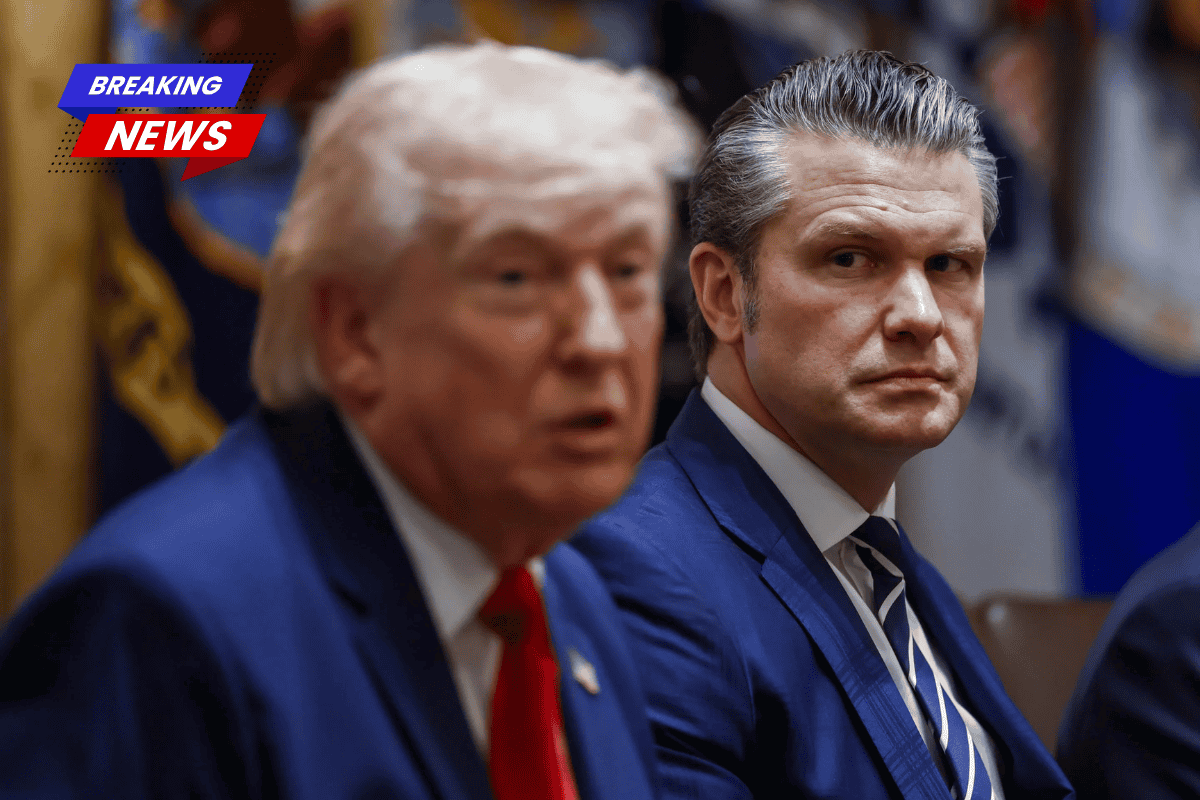
U.S. President Donald Trump has proposed a fiscal year 2027 budget that would raise total defense spending to $1.5 trillion — a level economists say would mark one of the largest military expansions in modern American history.
The plan includes a $251 billion increase in base defense spending, along with an additional $350 billion routed through a reconciliation bill. Meanwhile, nondefense discretionary spending would be reduced by just $73 billion, a cut many analysts argue is too small to offset the surge.
A Historic Surge — But at What Cost?
Experts say the proposal could add more than $3.2 trillion to defense spending over the next decade, further straining a national debt already nearing $39 trillion.
Economist Steve Hanke criticized the scale of the increase, arguing it contradicts earlier promises to avoid foreign conflicts.
Meanwhile, Kent Smetters noted that while the proposal may not surpass inflation-adjusted World War II spending, it is likely the largest increase in roughly 80 years. He also flagged the use of reconciliation funding as a structural shift that could make future cuts more difficult.
Missing Details Raise Concerns
The budget notably lacks clear projections for deficits and long-term debt. Maya MacGuineas called this an “astonishing lack of information.”
The White House projects debt could fall to 94% of GDP by 2036 — but only under the assumption of sustained 3% annual economic growth, a figure many economists считают overly optimistic.
War Costs and Political Pressure
The proposal comes as the U.S. continues a costly military campaign involving Iran. Early estimates suggest the conflict cost $11.3 billion in its first six days, with total spending now between $30 billion and $45 billion after just over a month.
The economic fallout has been significant. Gas prices have jumped sharply, and markets have shown volatility. At the same time, Trump’s approval ratings have declined, including a drop among independent voters.
Social Spending in the Crosshairs
At a recent White House event, Trump suggested that rising military costs could force difficult trade-offs, including potential reductions in federal social programs.
He indicated that programs like childcare support, Medicaid, and Medicare might need to shift more responsibility to state governments — a statement that has drawn sharp criticism from policy analysts.
“Plowshares into Swords”
Hanke described the moment using a biblical reference — a shift from peace to militarization — to capture the scale of the proposed change. The phrase reflects concerns that the U.S. economy may be moving toward a wartime footing.
Warnings from Fiscal Watchdogs
Groups like Taxpayers for Common Sense argue the plan worsens an already fragile fiscal outlook. Since 2025, the national debt has risen by $2.8 trillion, with annual interest payments nearing $1 trillion.
They warn the proposal could put the country on a “perilous fiscal path,” especially if large portions of defense funding bypass traditional oversight through reconciliation.
Federal Reserve Signals Risk
Jerome Powell has also warned about the long-term trajectory, stressing that economic growth must keep pace with rising debt levels.
Without changes, he cautioned, the current path could lead to serious financial consequences.
Mounting Pressure on Social Security
The budget does not address looming challenges for Social Security, which analysts say could face insolvency within the next decade.
Economists warn that dramatically increasing defense spending could further strain the system, accelerating financial pressure across federal programs.
A Defining Fiscal Moment
The proposal sets up a major debate over national priorities — defense, economic stability, and social spending. With rising debt, ongoing conflict, and political divisions, the decisions made around this budget could shape the U.S. economy for years to come.






